 Indietro
Introduction to Anatomy & Physiology: Hierarchical Organization and Homeostasis
Guida di studio - Note intelligenti
 Appunti personalizzati basati sui tuoi materiali, ampliati con definizioni chiave, esempi e contesto.
Introduction to Anatomy & Physiology
Relationship Between Anatomy and Physiology
Anatomy is the study of the structure of the body and its parts, while physiology focuses on the function of those parts. Understanding both is essential for comprehending how the human body operates as an integrated system.
Anatomy: Examines the physical structure, from microscopic cells to organs and systems.
Physiology: Explores how these structures work, interact, and respond to internal and external stimuli.
Example: The heart's anatomy (chambers, valves) is linked to its physiology (pumping blood).
Levels of Organization in the Human Body
Hierarchical Structure
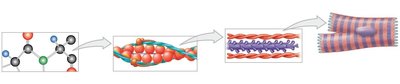
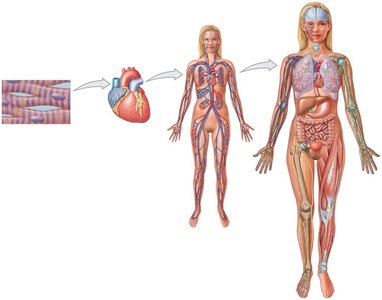
The human body is organized in a hierarchy, from the simplest chemical level to the complex organism level. Each level builds upon the previous, allowing for specialization and integration of function.
Chemical/Molecular Level: Atoms and molecules form the basis of cellular structures.
Cellular Level: Cells are the basic units of life, each with specialized functions.
Tissue Level: Groups of similar cells form tissues, such as muscle or nervous tissue.
Organ Level: Organs are made of different tissues working together (e.g., heart, lungs).
Organ System Level: Organ systems consist of multiple organs performing major functions (e.g., cardiovascular system).
Organism Level: The complete living individual, integrating all systems.
Major Human Organ Systems
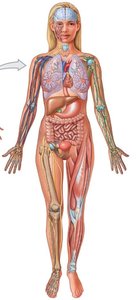
There are 11 major organ systems in the human body, each with distinct roles in maintaining health and function.
Integumentary
Skeletal
Muscular
Nervous
Endocrine
Cardiovascular
Lymphatic
Respiratory
Digestive
Urinary
Reproductive
Human Physiology
Types of Physiology
Physiology can be studied at various levels, each providing insight into how the body functions.
Cellular Physiology: Functions of individual cells.
Organ Physiology: Functions of specific organs.
Systemic Physiology: Functions of organ systems.
Pathological Physiology: Effects of diseases on organs or systems.
Homeostasis
Principles of Homeostatic Control
Homeostasis is the process by which the body maintains a stable internal environment. It involves monitoring and regulating physiological variables to keep them within a normal range.
Feedback Mechanisms: Used to control and restore balance.
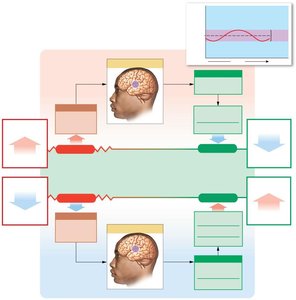
Negative Feedback: Reduces deviation from a set point (e.g., temperature regulation).
Positive Feedback: Amplifies changes until a specific outcome is achieved (e.g., blood clotting).
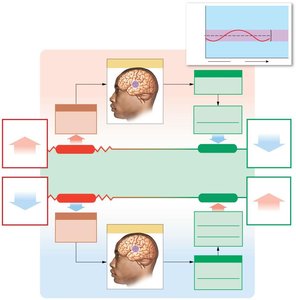
Negative Feedback: Temperature Regulation
Negative feedback is the most common mechanism for maintaining homeostasis. Body temperature is regulated by the thermoregulatory center in the brain, which responds to changes by activating effectors such as blood vessels, sweat glands, and muscles.
Receptor: Detects changes in temperature.
Control Center: Processes information and sends instructions (hypothalamus).
Effector: Responds to restore balance (e.g., sweating, shivering).
Normal Range: Body temperature fluctuates between 36.7ºC and 37.2ºC.
Positive Feedback: Blood Clotting
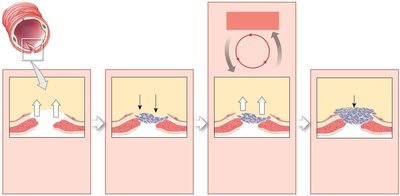
Positive feedback mechanisms accelerate processes until a specific event occurs. Blood clotting is an example, where chemicals released by damaged cells stimulate further clotting until the vessel is sealed.
Stimulus: Break in blood vessel wall causes bleeding.
Response: Damaged cells release chemicals, clotting begins.
Amplification: Additional chemicals accelerate clotting.
Outcome: Blood clot plugs the break, stopping bleeding.
Study Tips for Physiology
Effective Learning Strategies
Physiology requires active learning and synthesis of concepts. Understanding terminology, drawing diagrams, and engaging in group study can enhance comprehension.
Develop active learning techniques
Understand terminology (many terms are derived from Latin and Greek)
Draw diagrams and tables to visualize concepts
Participate in lectures, labs, and study groups
Keep up with quizzes and assessments
