 Indietro
Introduction to Anatomy & Physiology: Structure, Function, and Homeostasis
Guida di studio - Note intelligenti
 Appunti personalizzati basati sui tuoi materiali, ampliati con definizioni chiave, esempi e contesto.
Anatomy & Physiology: Structure and Function
Definition and Scope
Anatomy and physiology are foundational sciences in understanding the human body. Anatomy describes the structures of the body, including what they are made of, where they are located, and their associated structures. Physiology is the study of the functions of anatomical structures, both individually and cooperatively.
Anatomy: Focuses on structure.
Physiology: Focuses on function.
Example: The heart's anatomy includes chambers and valves; its physiology involves pumping blood.
Specialties of Anatomy
Anatomy is divided into several specialties, each focusing on different aspects of structure:
Gross (Macroscopic) Anatomy: Examines large, visible structures.
Surface Anatomy: Studies exterior features.
Regional Anatomy: Focuses on specific body areas.
Systemic Anatomy: Studies groups of organs working together.
Developmental Anatomy: Examines changes from egg (embryology) to maturity.
Clinical Anatomy: Applies anatomical knowledge to medical specialties.
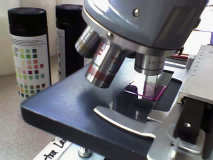
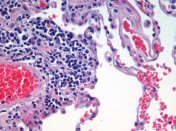
Histology: Studies tissues and their structures.
Cytology: Studies cells and their structures.
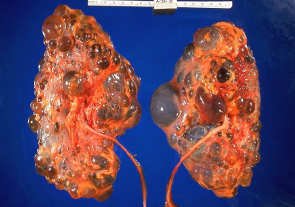
Pathology: Examines abnormal anatomy at both macro and microscopic levels.

Morphology and Comparative Anatomy
Morphology
Morphology refers to the outward appearance and structure of an organism. This contrasts with physiology, which is primarily concerned with function.
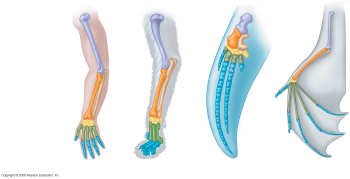
Comparative Anatomy: Studies similarities and differences among species.
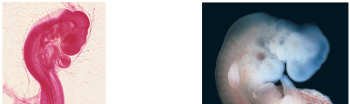
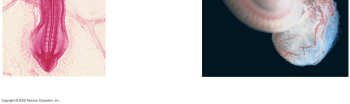
Comparative Embryology: Compares early developmental stages among different organisms.
Levels of Organization in the Body
Hierarchy of Biological Organization
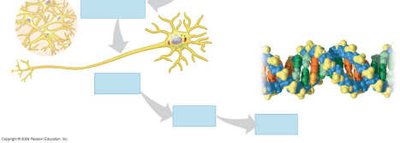
The human body is organized from simple to complex structures:
Atoms: The smallest chemical units.
Molecules: Groups of atoms working together.
Organelles: Groups of molecules working together.
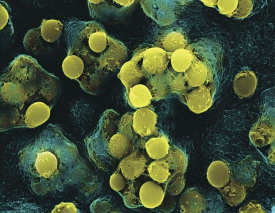
Cells: Basic units of life; groups of organelles working together.
Tissues: Groups of similar cells working together.
Organs: Groups of different tissues working together.
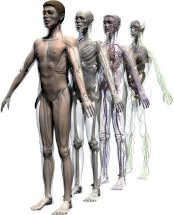
Organ Systems: Groups of organs working together.
Organism: An individual living being.
Basic Cell Functions
Cells perform essential functions to sustain life:
Obtain food and oxygen
Perform chemical reactions for energy
Eliminate byproducts and waste
Synthesize proteins for function and growth
Respond to environmental changes
Control exchange of materials
Move materials within the cell
Reproduce and replace themselves
Major Body Systems
Overview of Organ Systems
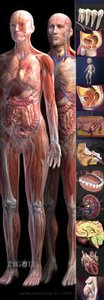
The human body consists of several major organ systems, each with specific functions:
Circulatory System
Digestive System
Respiratory System
Urinary System
Skeletal System
Muscular System
Integumentary System
Immune System
Nervous System
Endocrine System
Reproductive System
Homeostasis
Definition and Importance
Homeostasis is the process by which all organ systems work together to maintain a stable internal environment. Systems respond to external and internal changes to function within a normal range, such as body temperature, fluid balance, and electrolyte balance. Failure to maintain homeostasis results in disease.
Homeostasis is dynamic, not fixed.
Disruptions may lead to illness and death.

Factors Maintained by Homeostasis
Concentration of nutrient molecules
Concentration of O2 and CO2
Concentration of waste products
pH of body fluids
Concentration of water, salt, and electrolytes
Temperature
Volume and pressure
Regulation of Homeostasis
The body detects deviations in the internal environment and holds them to narrow limits. Control of various body systems adjusts these factors. Negative feedback is a common regulatory mechanism.
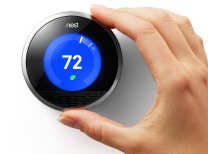
Negative Feedback: Change in a controlled variable triggers a response that opposes the change, driving the variable in the opposite direction.
Example: Home thermostat regulating temperature.
Negative Feedback Mechanism
The response of the effector negates the stimulus.
Example: Temperature sensors in skin and hypothalamus detect changes, triggering sweat glands and blood vessels to restore normal temperature.
Positive Feedback Mechanism
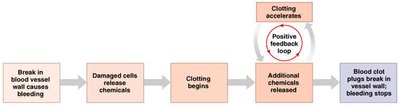
Unlike negative feedback, positive feedback continually enhances the output. It is less frequent and typically occurs in processes such as childbirth (oxytocin release) and blood clotting.
The response of the effector reinforces the stimulus.
Example: Blood clotting cascade.
Systems Integration and Homeostasis Disruptions
Physiological systems work together to restore balance and maintain homeostasis. Disruptions may lead to pathophysiological states, illness, or death if one or more systems fail.
Homeostasis is a state of equilibrium—opposing forces are in balance.
All cells suffer when homeostasis is disrupted.
Additional info: The notes above expand on brief points from the original materials, providing academic context and examples for clarity.
