 Indietro
Introduction to the Science of Life: Foundations for Anatomy & Physiology
Guida di studio - Note intelligenti
 Appunti personalizzati basati sui tuoi materiali, ampliati con definizioni chiave, esempi e contesto.
Introduction to Anatomy & Physiology
What is Biology?
Biology is the scientific study of life, forming the foundation for Anatomy & Physiology. Biologists recognize life through a series of properties shared by all living things. An object is considered alive if it displays all these properties.
Order: Living things have a complex but well-ordered structure.
Energy and Matter Processing: Organisms take in energy, convert it to useful forms, and expel energy.
Reproduction: All organisms reproduce their own kind.
Growth and Development: Genes control the pattern of growth in all organisms.
Response to the Environment: Organisms respond to changes in their environment.
Evolutionary Adaptations: Traits evolve over generations by the reproductive success of individuals with heritable traits best suited to their environments.
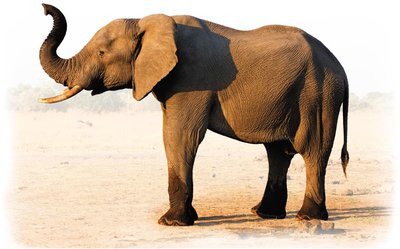
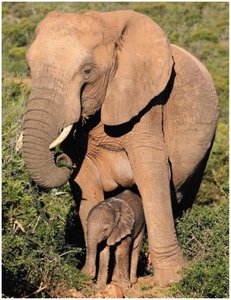
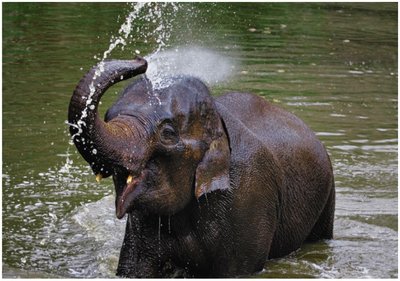
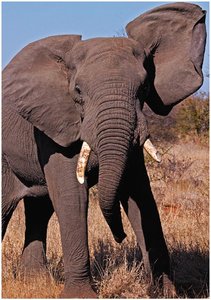
Example: Elephants display all properties of life: complex structure, energy processing, reproduction, growth, environmental response, and adaptation.
Cell Chemistry & Cell Components
Levels of Biological Organization
Life can be studied at many levels, from atoms to the biosphere. Understanding these levels is essential for Anatomy & Physiology, as the human body is organized hierarchically.
Atom: Fundamental unit of matter.
Molecule: Group of atoms bonded together.
Organelle: Component of the cell performing a specific function.
Cell: Fundamental unit of life.
Tissue: Integrated group of similar cells working together.
Organ: Multiple tissues cooperating to perform a specific task.
Organ System: Group of organs working together.
Organism: Individual living being.
Population: Group of interacting individuals of one species.
Community: All interacting populations in an ecosystem.
Ecosystem: Living and nonliving components in a region.
Biosphere: All life on Earth.
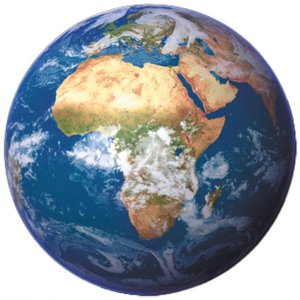
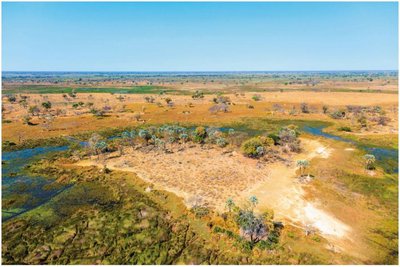
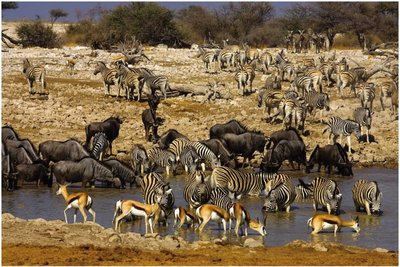
Example: The human body is an organism, composed of organ systems, organs, tissues, cells, and organelles.
Energy & Cell Processes
Transformation of Energy and Matter
All activities of the cell require energy and matter to proceed. The sun provides the energy that drives nearly every ecosystem, and cells regulate the transformation of energy and matter.
Energy Flow: Energy enters ecosystems as sunlight and is transformed by organisms.
Matter Cycling: Matter cycles between living and nonliving components.
Example: Photosynthesis in plants converts solar energy to chemical energy, which is then used by animals.
Human Development & Heredity
Information Flow in Biological Systems
The information in all genes is encoded in an identical chemical language common to all organisms. Many inherited diseases result from improper information in the form of a gene mutation.
Genes: Units of heredity that encode information for traits.
Mutations: Changes in genetic information can lead to disease.
Example: Mutations in breast cancer genes can lead to preventive medical decisions.
Evolution and Adaptation
The Theory of Evolution through Natural Selection
Evolution, the descent with gradual modifications of ancestral species to modern-day ones, explains the common characteristics throughout living things. Natural selection is the process by which individuals with advantageous traits reproduce more successfully.
Evolution: Explains unity and diversity of life.
Natural Selection: Drives adaptation and speciation.
Example: Antibiotic-resistant bacteria are a result of evolution through natural selection.
Scientific Method and Inquiry
Process of Science
Science is an approach to understanding the natural world through inquiry. The scientific method involves forming hypotheses, conducting experiments, and analyzing data.
Observation: Noticing phenomena.
Hypothesis: Proposed explanation that is testable and falsifiable.
Experiment: Testing hypotheses under controlled conditions.
Data: Recorded observations.
Communication: Sharing results with the scientific community.
Example: Comparing cookie recipes to test which ingredient produces taller cookies.
Critical Thinking and Scientific Reliability
Evaluating Scientific Claims
Critical thinking is required when evaluating scientific claims. Science has hallmarks and limitations, and distinguishing science from pseudoscience is essential.
Sample Size: Number of subjects in each group.
Control Group: Provides confidence in variable tested.
Reproducibility: Results should be reproducible by others.
Peer Review: Evaluation by impartial experts.
Example: Peer-reviewed studies are considered the gold standard for scientific validity.
Comparing Scientific Terms
Hypothesis vs. Theory vs. Fact
Understanding the difference between scientific terms is crucial for academic study.
Hypothesis: Testable, falsifiable explanation for an observation.
Theory: Well-substantiated explanation able to explain many observations.
Fact: Verifiable and considered objectively true based on current evidence.
Example: The theory of evolution by natural selection is a core theme that unifies all of biology.
Experimental Design
Variables and Controls
In hypothesis testing, scientists try to control for variables. A controlled experiment tests one variable at a time, with independent and dependent variables.
Independent Variable: Manipulated as a potential cause.
Dependent Variable: Response or effect under investigation.
Control Group: Establishes a baseline.
Blind Experiment: Reduces bias by withholding information.
Example: The placebo effect demonstrates the importance of controls in experiments.
Data Communication
Graphs and Tables
Scientists communicate data using graphs and tables. Bar graphs compare categories, line graphs display continuous data, and pie charts convey proportions.
Bar Graph: Compares categories.
Line Graph: Shows changes over time.
Pie Chart: Displays percentages.
Example: Error bars on graphs indicate the likelihood of meaningful differences.
Types of Scientific Studies
Controlled, Observational, and Clinical Trials
Scientists use different types of studies depending on the question and context.
Controlled Experiment: Tests hypotheses with manipulation.
Observational Study: Examines subjects without manipulation.
Clinical Trial: Controlled experiment using human subjects.
Epidemiological Study: Observational study measuring health over time.
Example: Clinical trials use placebos to establish control groups.
Reliability of Scientific Sources
Primary vs. Secondary Sources
Different sources of information have varying levels of reliability. Primary sources present original material, while secondary sources review or describe primary sources. Peer review is essential for scientific validity.
Primary Source: Original research, often peer-reviewed.
Secondary Source: Reviews or descriptions of primary sources.
Peer Review: Evaluation by qualified experts.
Example: Wikipedia is a common first source but allows anyone to edit articles, so reliability varies.
