 Indietro
Lymphatic and Immune Systems: Structure, Function, and Defense Mechanisms
Guida di studio - Note intelligenti
 Appunti personalizzati basati sui tuoi materiali, ampliati con definizioni chiave, esempi e contesto.
The Lymphatic System
Overview and Major Functions
The lymphatic system is a network of vessels, tissues, and organs that works closely with the immune system to maintain fluid homeostasis and defend the body against pathogens. It is essential for returning excess interstitial fluid to the bloodstream, absorbing dietary fats, and housing immune cells.
Lymphatic vessels: Transport lymph, a fluid containing immune cells and waste products.
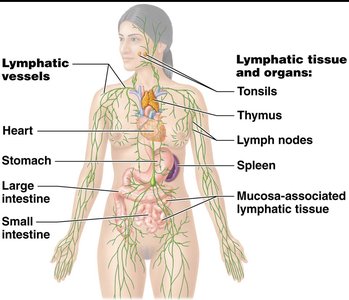
Lymphatic tissues and organs: Include lymph nodes, spleen, thymus, tonsils, and mucosa-associated lymphatic tissue (MALT).
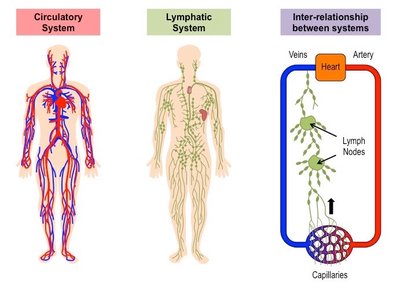
Lymphatic Vessels and Circulation
Lymphatic vessels form a low-pressure circuit that begins with lymphatic capillaries in tissues. These capillaries are highly permeable, allowing interstitial fluid, immune cells, and even pathogens to enter. Lymphatic vessels merge into larger trunks and ducts, ultimately draining into the venous system.
Valves prevent backflow of lymph.
Muscle contractions and vessel wall smooth muscle help propel lymph.
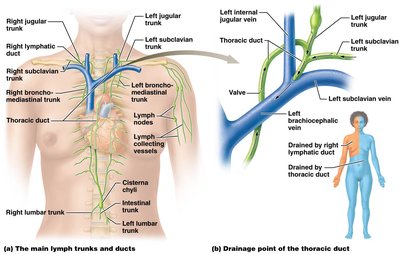
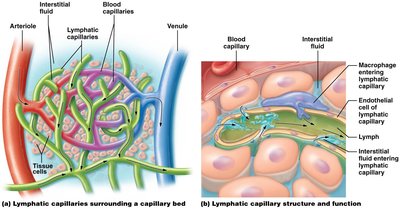
Lymph Nodes
Lymph nodes are small, bean-shaped structures located along lymphatic vessels. They filter lymph and house immune cells such as macrophages, lymphocytes, and dendritic cells. Major clusters are found in the axillary, cervical, inguinal, and mesenteric regions.
Function: Filter lymph, trap pathogens, and initiate immune responses.
Structure: Consist of a cortex (with follicles and germinal centers) and medulla (with medullary cords and sinuses).
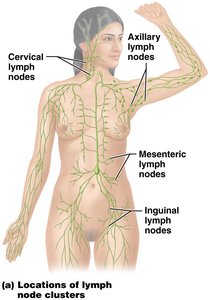
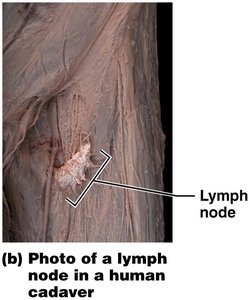
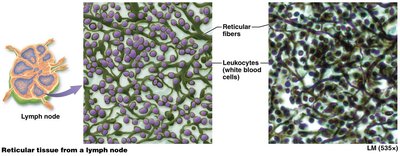
Lymphatic Reticular Tissue and MALT
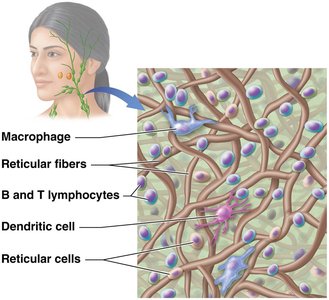
Lymphoid tissue is primarily composed of reticular fibers and various immune cells. Mucosa-associated lymphatic tissue (MALT) protects mucous membranes throughout the body, including the oral and nasal cavities, gastrointestinal tract, and respiratory passages.
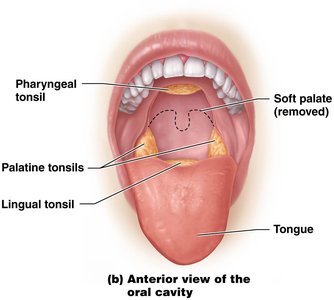
Specialized MALT: Includes tonsils, Peyer's patches, and the appendix.
Cell types: Macrophages, B and T lymphocytes, dendritic cells, and reticular cells.
Spleen and Thymus
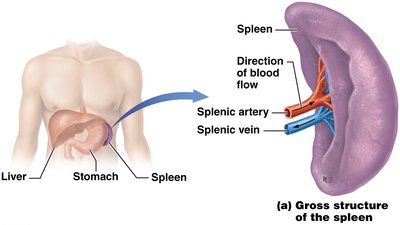
The spleen is the largest lymphoid organ, filtering blood, destroying old erythrocytes, and housing immune cells. The thymus is the site of T cell maturation and is most active in childhood.
Spleen: Contains red pulp (removes old RBCs) and white pulp (immune function).
Thymus: Secretes hormones for T cell maturation; atrophies with age.
Lymphedema
Lymphedema is a condition characterized by severe swelling due to the accumulation of lymph, often resulting from lymphatic vessel removal or blockage. It highlights the importance of the lymphatic system in fluid balance.

The Immune System
Overview and Components
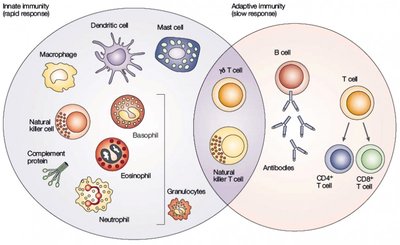
The immune system defends the body against pathogens and abnormal cells. It consists of two main branches: innate (nonspecific) and adaptive (specific) immunity. Immune cells and proteins are found throughout the blood and tissues.
Innate immunity: Rapid, nonspecific defense mechanisms.
Adaptive immunity: Slower, highly specific responses involving memory.
Innate Immunity
Innate immunity provides the first and second lines of defense against pathogens.
First line: Physical and chemical barriers (skin, mucous membranes, secretions).
Second line: Cellular and molecular responses (phagocytes, natural killer cells, inflammation, complement proteins, fever).
Complement System
The complement system is a group of plasma proteins that enhance immune responses by promoting inflammation, opsonization, and direct lysis of pathogens via the membrane attack complex (MAC).
Activation pathways: Classical, lectin, and alternative.
Key actions: Opsonization, cell lysis, chemotaxis, and inflammation.
Cells of Innate Immunity
Phagocytes: Macrophages, neutrophils, and eosinophils ingest and destroy pathogens.
Non-phagocytic cells: Natural killer (NK) cells, dendritic cells, basophils, and mast cells.
Inflammatory Response and Fever
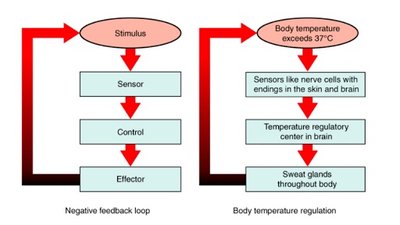
Inflammation is a localized response to injury or infection, involving the release of mediators, increased blood flow, and recruitment of immune cells. Fever is a systemic response that enhances immune function and inhibits pathogen growth.
Adaptive Immunity
Adaptive immunity involves highly specific responses to antigens and the development of immunological memory. It is divided into antibody-mediated (humoral) and cell-mediated immunity.
B cells: Produce antibodies that neutralize pathogens and mark them for destruction.
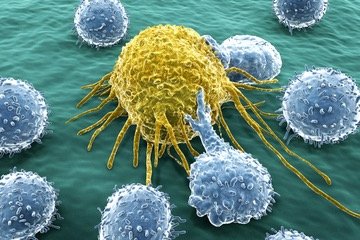
T cells: Helper T cells (CD4+) coordinate immune responses; cytotoxic T cells (CD8+) kill infected or abnormal cells.
Antibody-Mediated Immunity
B cells recognize specific antigens and differentiate into plasma cells that secrete antibodies. Memory B cells provide long-term immunity.
Cell-Mediated Immunity
T cells recognize antigens presented by major histocompatibility complex (MHC) molecules on antigen-presenting cells (APCs). Helper T cells activate other immune cells, while cytotoxic T cells directly kill infected or cancerous cells.
Organs and Tissues of the Lymphatic and Immune Systems
The lymphatic system includes a variety of organs and tissues that support immune function and fluid balance.
Tonsils: Protect the oral and nasal cavities from pathogens.
Thymus: Site of T cell maturation.
Lymph nodes: Filter lymph and house immune cells.
Spleen: Filters blood and supports immune responses.
MALT: Protects mucosal surfaces throughout the body.
Summary Table: Comparison of Lymphatic and Blood Vessels
Feature | Lymphatic Vessels | Blood Vessels |
|---|---|---|
Fluid Transported | Lymph (interstitial fluid, immune cells) | Blood (plasma, RBCs, WBCs, platelets) |
Direction of Flow | One-way (toward heart) | Two-way (arteries away, veins toward heart) |
Pumping Mechanism | No pump; relies on valves, muscle contractions | Heart acts as pump |
Permeability | Highly permeable (for cells, proteins) | Less permeable (especially arteries) |
Key Terms and Definitions
Lymph: Fluid collected from interstitial spaces, transported by lymphatic vessels.
Antigen: Any substance that elicits an immune response.
Antibody: Protein produced by B cells that binds to specific antigens.
Phagocytosis: Process by which cells ingest and destroy particles or pathogens.
Opsonization: Coating of pathogens by proteins (e.g., antibodies, complement) to enhance phagocytosis.
Immunological memory: The ability of the immune system to respond more rapidly and effectively to pathogens that have been encountered previously.
