 Indietro
Lymphatic System and Immunity: Structure, Function, and Integration
Guida di studio - Note intelligenti
 Appunti personalizzati basati sui tuoi materiali, ampliati con definizioni chiave, esempi e contesto.
Lymphatic System: Structure and Function
Overview of the Lymphatic System
The lymphatic system is a vital component of the body's defense mechanisms, working closely with the circulatory and immune systems. It consists of lymphatic vessels, lymph nodes, lymphoid tissues, and organs, and is responsible for protecting the body against disease, maintaining fluid balance, and facilitating immune responses.
Lymph: A fluid similar to plasma but lacking plasma proteins.
Lymphatic vessels: Transport lymph from peripheral tissues to veins.
Lymphoid tissues and organs: Include lymph nodes, tonsils, thymus, spleen, and MALT (mucosa-associated lymphoid tissue).
Lymphoid cells: Mainly lymphocytes, phagocytes, and supportive cells.
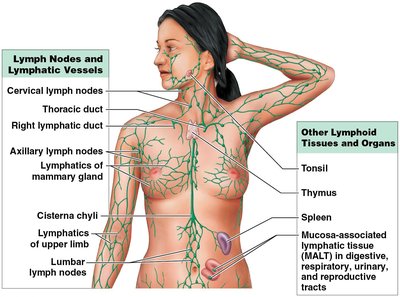
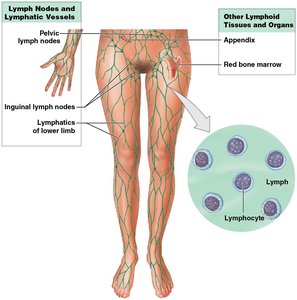
Relationship Between Lymphatic and Circulatory Systems
The lymphatic system is closely integrated with the circulatory system. Lymphatic capillaries collect excess interstitial fluid from tissues and return it to the bloodstream, helping maintain normal blood volume and preventing tissue swelling (edema).
Lymphatic capillaries are closed at one end, have larger diameters, thinner walls, and irregular outlines compared to blood capillaries.
Endothelial cells in lymphatic capillaries overlap to form one-way valves, allowing entry of fluids, solutes, viruses, and bacteria, but preventing their return to intercellular spaces.
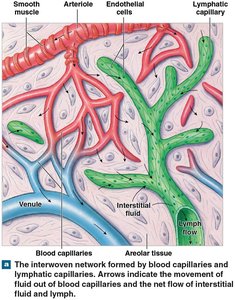
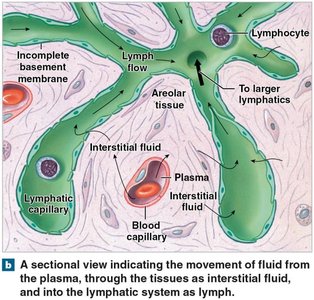
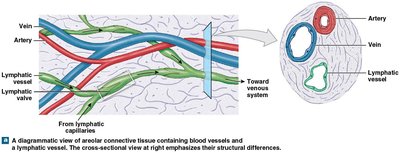
Components of the Lymphatic System
Lymphoid Cells and Tissues
Lymphoid cells are essential for immune function and include several types of lymphocytes. Lymphoid tissues are connective tissues dominated by lymphocytes, forming nodules and organs throughout the body.
Lymphocytes: Make up 20–40% of circulating leukocytes; most are stored in tissues.
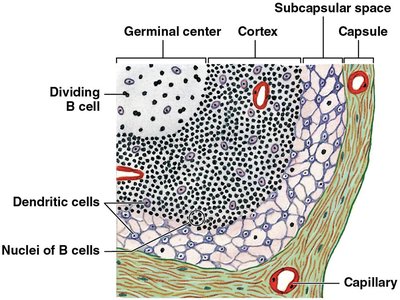
Lymphoid nodules: Densely packed lymphocytes with germinal centers for cell division; found in lymph nodes, spleen, tonsils, and along digestive, urinary, and reproductive tracts.
Tonsils: Five in the pharynx (pharyngeal, palatine, lingual); inflammation is called tonsillitis.
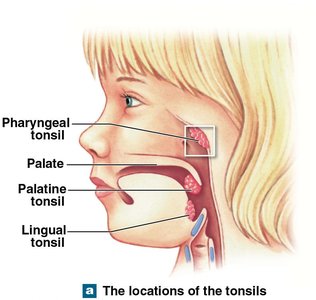
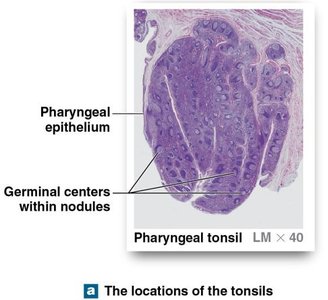
Lymphoid Organs
Lymphoid organs are separated from surrounding tissues by a fibrous capsule and include lymph nodes, thymus, and spleen.
Lymph nodes: Filter lymph, contain trabeculae (collagen bundles), and have a hilum for blood vessels and nerves.
Afferent lymphatics: Bring lymph to the node; efferent lymphatics: Carry lymph away to venous circulation.
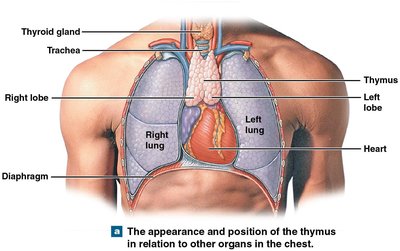
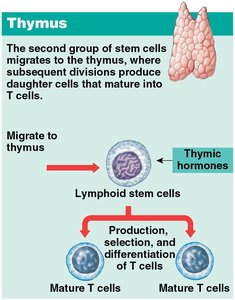
Thymus: Site of T cell maturation; has cortex (dividing lymphocytes) and medulla (mature T cells exit).
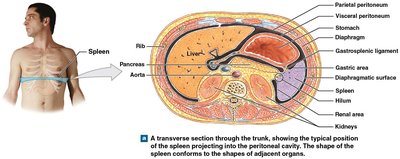
Spleen: Largest lymphoid organ; removes abnormal blood cells, stores iron, and initiates immune responses.
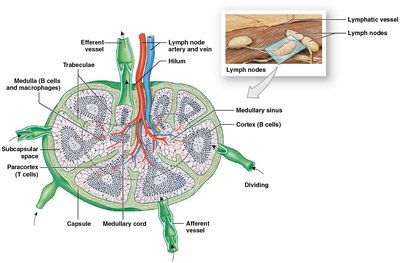
Immunity: Innate and Adaptive Defenses
Types of Immunity
Immunity is the ability to resist infection and disease. The immune system is divided into innate (nonspecific) and adaptive (specific) immunity.
Innate immunity: Always functions the same way, against any invading agent; includes barriers, phagocytes, inflammation, and complement.
Adaptive immunity: Targets specific pathogens; depends on lymphocyte activity and develops after exposure.
Classes of Lymphocytes
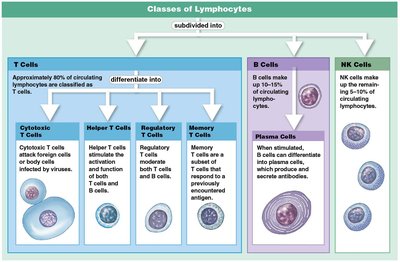
Lymphocytes are divided into three main classes, each with distinct roles in immunity:
T cells: Thymus-dependent; include cytotoxic, helper, regulatory, and memory T cells.
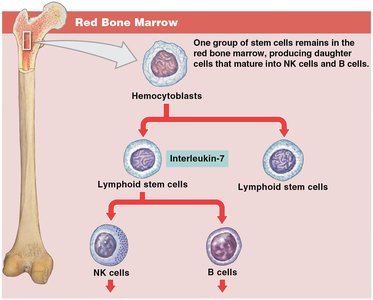
B cells: Bone marrow-derived; differentiate into plasma cells that produce antibodies.
NK cells: Natural killer cells; provide immune surveillance by attacking abnormal cells.
Origin and Distribution of Lymphocytes
Lymphocytes originate in primary lymphoid tissues (red bone marrow and thymus) and are activated in secondary lymphoid tissues (tonsils, MALT, lymph nodes, spleen). They circulate and migrate throughout the body, maintaining different populations in tissues.
Mechanisms of Immune Response
Innate Defenses
Innate defences block or attack any foreign substance or pathogen, but cannot distinguish between different pathogens. Key components include:
Phagocytes: Cells that engulf pathogens.
Inflammatory response: Localised tissue reaction to injury or infection.
Complement: Proteins that enhance immune responses.
Adaptive Immunity
Adaptive immunity involves specific responses to pathogens, primarily through the action of T cells and B cells. Antibodies produced by B cells bind to antigens, neutralizing or marking them for destruction.
Antigen: Substance that triggers an immune response.
Antibody: Protein produced by plasma cells that binds to antigens.
T-Cell: Mediates cell-mediated immunity.
B-Cell: Mediates antibody-mediated immunity.
Mechanism of Action of Antibodies
Antibodies prevent and fight infection by binding to antigens, neutralising pathogens, and helping other immune cells remove them.
Antibodies attach to pathogens, marking them for destruction by phagocytes or complement.
They can neutralise toxins and block viral entry into cells.
Peripheral Tissue Immune Functions
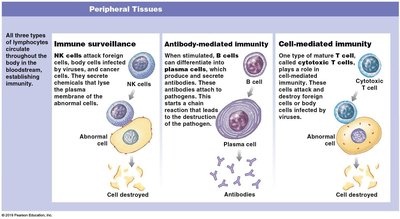
All three types of lymphocytes circulate throughout the body, providing immune surveillance, antibody-mediated immunity, and cell-mediated immunity.
Immune Surveillance | Antibody-Mediated Immunity | Cell-Mediated Immunity |
|---|---|---|
NK cells attack foreign cells, body cells infected by viruses, and cancer cells. | B cells differentiate into plasma cells, which produce antibodies that attach to pathogens. | Cytotoxic T cells attack infected or abnormal cells directly. |
Summary Table: Major Structures and Functions of the Lymphatic System
Structure | Main Function | Location |
|---|---|---|
Lymphatic vessels | Transport lymph | Throughout body |
Lymph nodes | Filter lymph, immune response | Along lymphatic vessels |
Tonsils | Immune surveillance | Pharynx |
Thymus | T cell maturation | Anterior mediastinum |
Spleen | Blood filtration, immune response | Left upper abdomen |
MALT | Immune defense | Digestive, respiratory, urinary, reproductive tracts |
Key Terms and Definitions
Phagocyte: Cell that engulfs and digests pathogens (innate immunity).
Inflammatory response: Localized reaction to injury/infection (innate immunity).
Complement: Proteins that enhance immune responses (innate immunity).
Antigen: Substance that triggers an immune response (adaptive immunity).
Antibody: Protein that binds to antigens (adaptive immunity).
T-Cell: Lymphocyte involved in cell-mediated immunity (adaptive immunity).
B-Cell: Lymphocyte involved in antibody-mediated immunity (adaptive immunity).
Equations and Formulas
Fluid movement between blood and lymphatic capillaries can be described by Starling's equation:
This equation helps explain how fluid leaves blood capillaries and enters lymphatic capillaries as lymph.
Additional info: Academic context was added to clarify the integration of lymphatic and immune functions, and to provide self-contained explanations suitable for exam preparation.
