 Indietro
Lymphatic System: Structure, Organs, and Function
Guida di studio - Note intelligenti
 Appunti personalizzati basati sui tuoi materiali, ampliati con definizioni chiave, esempi e contesto.
Lymphatic System Overview
Function and Relationship to the Blood Vascular System
The lymphatic system is a network responsible for returning fluids that have leaked from the vascular system back to the blood. It consists of lymphatic vessels, lymph (the fluid), and lymph nodes that cleanse the lymph. The lymphoid organs and tissues provide the structural basis of the immune system, playing essential roles in defense mechanisms and resistance to disease.
Lymphatic vessels: Transport lymph throughout the body.
Lymph: Fluid derived from interstitial fluid, collected by lymphatic capillaries.
Lymph nodes: Filter lymph and activate immune responses.
Once interstitial fluid enters lymphatics, it is called lymph.
Lymphatic System Organs
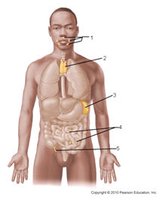
Identification of Lymphatic Organs
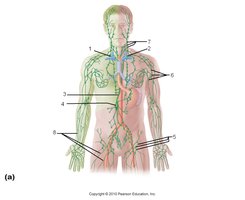
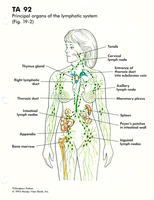
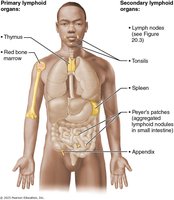
The lymphatic system includes several primary and secondary organs, each with distinct functions in immunity and fluid balance.
Tonsils: Prevent foreign objects from entering the lungs and filter bacteria and viruses.
Thymus: Vital for T cell maturation and self-recognition.
Spleen: Clears worn RBCs, stores blood and iron, and is a site of fetal RBC production.
Peyer's patches: Monitor GI bacteria and prevent overgrowth.
Appendix: Storehouse for beneficial bacteria and helps generate memory for long-term immunity.
Bone marrow: Site of B cell maturation and production of blood cells.
Formation and Flow of Lymph
Formation of Lymph
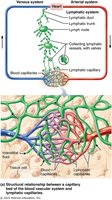
Lymph is formed from leaked plasma (with fewer proteins) that becomes interstitial fluid. This fluid is taken up by lymphatic capillaries and is then called lymph.
Interstitial fluid: Fluid between cells, derived from plasma.
Lymphatic capillaries: Absorb interstitial fluid and transport it as lymph.
Route of Lymph Flow
Lymph flows through a specific pathway in the body:
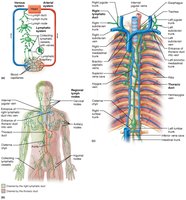
Lymphatic capillaries → Lymphatic vessels → Lymph nodes → Lymphatic trunks → Lymphatic ducts → Venous system → Heart
The right lymphatic duct drains the right upper arm and right side of the head and thorax, while the thoracic duct drains most of the body. Each lymph duct drains into venous circulation at the junction of the internal jugular vein and subclavian vein.
Structure and Function of Lymph Nodes
Lymph Node Features and Functions
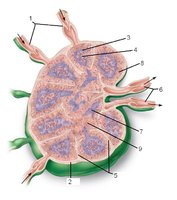
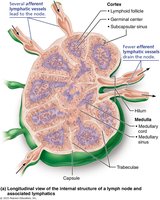
Lymph nodes are small, bean-shaped structures that filter lymph and provide sites for immune cell activation.
Cleansing: Remove debris and pathogens from lymph.
Immune activation: Provide a site for cloning and multiplication of lymphocytes.
Immunity and Immune Response
Definition and Types of Immunity
Immunity is the functional system that provides resistance to disease. The immune response is how the body recognizes and defends itself against foreign substances.
Humoral (antibody-mediated) immunity: Provided by B cells, which mature into plasma cells and secrete antibodies.
Cellular (cell-mediated) immunity: Provided by T lymphocytes, which defend the body by attacking infected cells.
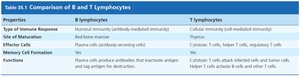
Summary Table: Comparison of B and T Lymphocytes
Properties | B Lymphocytes | T Lymphocytes |
|---|---|---|
Type of Immune Response | Humoral immunity (antibody-mediated immunity) | Cellular immunity (cell-mediated immunity) |
Site of Maturation | Red bone marrow | Thymus |
Effector Cells | Plasma cells (antibody-secreting cells) | Cytotoxic T cells, helper T cells, regulatory T cells |
Memory Cell Formation | Yes | Yes |
Functions | Plasma cells produce antibodies that inactivate antigen and tag antigen for destruction | Cytotoxic T cells attack infected cells and tumor cells; Helper T cells activate B cells and other T cells |
