 Indietro
Male Reproductive System: Structure, Function, and Physiology
Guida di studio - Note intelligenti
 Appunti personalizzati basati sui tuoi materiali, ampliati con definizioni chiave, esempi e contesto.
Male Reproductive System
Overview and Function
The male reproductive system is responsible for the production, maturation, and delivery of male gametes (spermatozoa), as well as the secretion of male sex hormones. Its primary functions include the survival of the species, production and transport of gametes, facilitation of fertilization, and support of progeny development.
Gonads (Testes): Produce sperm and secrete testosterone.
Gametes: Spermatozoa are the male sex cells.
Duct System: Transports and stores sperm.
Accessory Glands: Produce seminal fluid to nourish and transport sperm.
Supporting Structures: Aid in sperm maturation, survival, and deposition into the female reproductive tract.
Human Life Cycle and Gametogenesis
Chromosome Inheritance and Meiosis
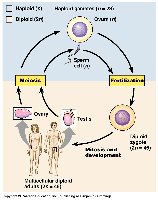
Humans inherit half of their chromosomes from each parent. The gonads undergo meiosis to produce haploid gametes, ensuring genetic diversity and maintaining chromosome number across generations.
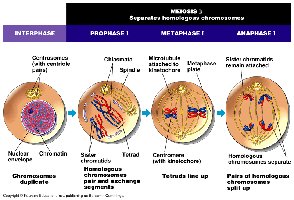
Meiosis I: Homologous chromosomes are assorted and separated, reducing chromosome number from diploid (2n) to haploid (n).
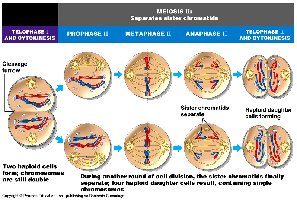
Meiosis II: Sister chromatids are separated, resulting in gametes with one chromatid per chromosome.
Stages of Meiosis
Meiosis consists of two sequential divisions: Meiosis I and Meiosis II. Each stage ensures the proper distribution of genetic material to gametes.
Meiosis I: Homologous chromosomes pair, exchange genetic material (crossing over), and are separated into two cells.
Meiosis II: Sister chromatids are separated, resulting in four genetically unique haploid cells.
Mitosis vs. Meiosis
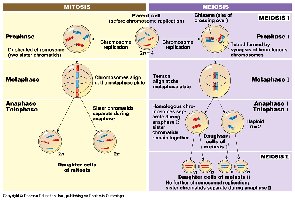
Mitosis and meiosis are both forms of cell division, but they serve different purposes and produce different outcomes.
Mitosis: Produces two genetically identical diploid cells for growth and repair.
Meiosis: Produces four genetically unique haploid gametes for sexual reproduction.
Anatomy of the Male Reproductive System
Gross Anatomy
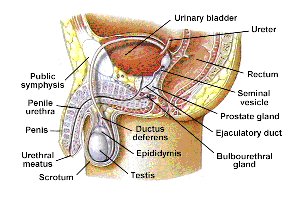
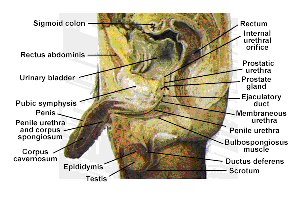
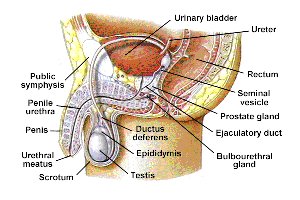
The male reproductive system includes both internal and external structures that work together to produce, mature, and deliver sperm.
Testis: Site of sperm production and hormone secretion.
Epididymis: Stores and matures sperm.
Ductus (Vas) Deferens: Transports sperm from the epididymis to the ejaculatory duct.
Accessory Glands: Seminal vesicle, prostate gland, and bulbourethral gland contribute fluids to semen.
Penis: Organ for copulation and sperm delivery.
Scrotum: Supports and regulates the temperature of the testes.
Sperm Structure and Function
Human Sperm Anatomy
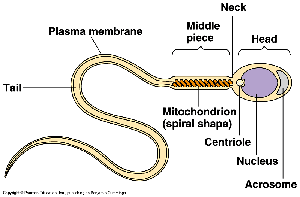
Sperm are highly specialized cells designed for motility and fertilization. Each part of the sperm has a specific function:
Head: Contains the nucleus (genetic material) and is capped by the acrosome, which contains enzymes for penetrating the egg.
Neck: Connects the head to the midpiece.
Middle Piece: Packed with mitochondria to provide energy for movement.
Tail (Flagellum): Propels the sperm forward.
Spermatogenesis and Spermiogenesis
Spermatogenesis
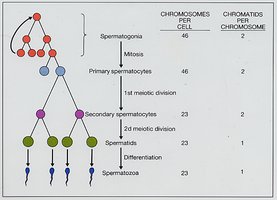
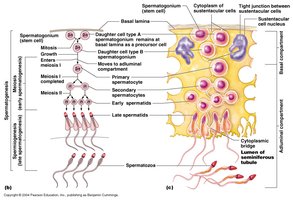
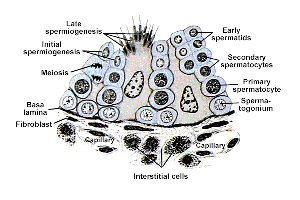
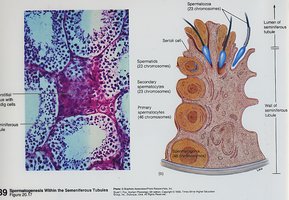
Spermatogenesis is the process by which sperm are produced in the seminiferous tubules of the testes. It involves mitosis, meiosis, and differentiation.
Spermatogonia: Stem cells that divide by mitosis to produce primary spermatocytes.
Primary Spermatocytes: Undergo meiosis I to form secondary spermatocytes.
Secondary Spermatocytes: Undergo meiosis II to form spermatids.
Spermatids: Differentiate into mature spermatozoa (sperm).
Spermiogenesis
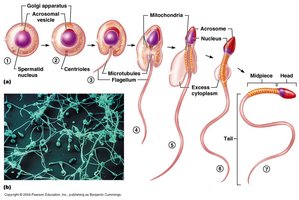
Spermiogenesis is the final stage of spermatogenesis, where spermatids undergo morphological changes to become mature spermatozoa.
Formation of Acrosome: Develops from the Golgi apparatus and contains enzymes for egg penetration.
Condensation of Nucleus: Genetic material becomes tightly packed.
Development of Flagellum: Enables motility.
Shedding of Excess Cytoplasm: Streamlines the cell for movement.
Sperm-Ovum Interaction
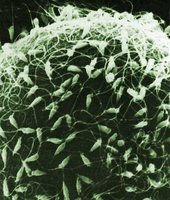
During fertilization, many sperm reach the ovum, but only one successfully penetrates and fertilizes the egg, ensuring genetic diversity and preventing polyspermy.
Testis Structure and Function
Testis Anatomy
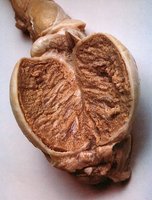
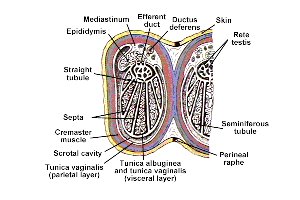
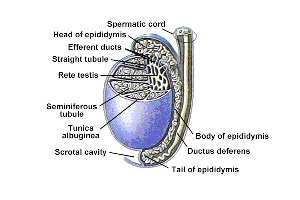
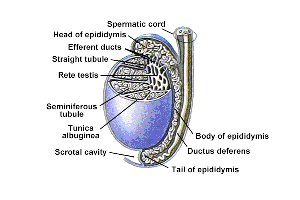
The testes are divided into lobules by septa and contain seminiferous tubules, where spermatogenesis occurs. The spermatic cord contains blood vessels, nerves, and the ductus deferens.
Seminiferous Tubules and Supporting Cells
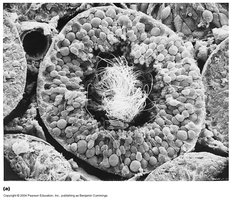
Seminiferous tubules are the site of sperm production. Sertoli cells support and nourish developing sperm, while Leydig cells (in the interstitial tissue) produce testosterone.
Sperm Transport Pathway
Epididymis and Ductus Deferens
Sperm leave the seminiferous tubules and enter the epididymis, where they mature and are stored. During ejaculation, sperm travel through the ductus deferens to the ejaculatory duct.
Accessory Sex Glands
Seminal Vesicle, Prostate, and Bulbourethral Gland
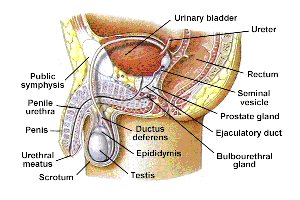
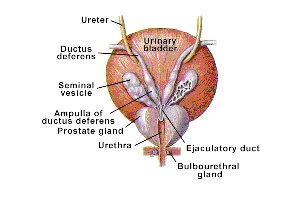
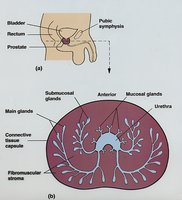
Accessory glands add seminal fluid to sperm, forming semen. Seminal fluid contains water, alkaline buffers, mucous, fructose, prostaglandins, and enzymes.
Seminal Vesicle: Contributes ~60% of semen volume.
Prostate Gland: Contributes ~30% of semen volume.
Bulbourethral (Cowper’s) Gland: Contributes <5% of semen volume.
Male Urethra
Structure and Function
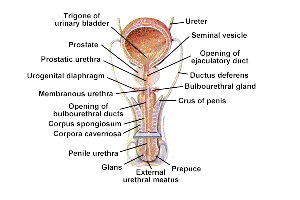
The male urethra serves as a common passageway for urine and semen. It extends from the bladder through the penis and is divided into prostatic, membranous, and penile (spongy) regions.
Scrotum and Spermatic Cord
Temperature Regulation and Support
The scrotum and spermatic cord provide physical support to the testes and regulate their temperature, which is crucial for normal spermatogenesis. The cremaster muscle adjusts testicular position, and the pampiniform plexus acts as a heat exchanger.
Penis: Structure and Erectile Tissue
Anatomy and Function
The penis contains erectile tissues (corpora cavernosa and corpus spongiosum) that enable erection and facilitate sperm delivery during copulation.
Male Sexual Response
Phases of Sexual Response
The male sexual response consists of arousal, plateau, orgasm (emission and ejaculation), and resolution. Each phase involves coordinated neural and vascular events.
Arousal: Triggered by sensory and psychological stimuli, leading to erection via parasympathetic-mediated vasodilation and nitric oxide release.
Plateau: Increased blood flow to erectile tissues, secretion of lubricating fluid, and elevation of testes.
Orgasm: Emission (movement of semen into urethra) and ejaculation (expulsion of semen), controlled by spinal reflexes and sympathetic/parasympathetic activity.
Resolution: Rapid relaxation and refractory period.
Summary Table: Key Structures and Functions
Structure | Function |
|---|---|
Testis | Sperm and testosterone production |
Epididymis | Sperm maturation and storage |
Ductus Deferens | Transport of sperm |
Seminal Vesicle | Secretes fructose-rich fluid |
Prostate Gland | Secretes enzymes and buffers |
Bulbourethral Gland | Secretes lubricating mucus |
Penis | Copulation and sperm delivery |
Scrotum | Testicular temperature regulation |
Key Terms and Definitions
Gamete: A haploid sex cell (sperm or egg).
Meiosis: Cell division producing haploid gametes.
Spermatogenesis: Process of sperm production.
Spermiogenesis: Maturation of spermatids into spermatozoa.
Accessory Glands: Glands contributing fluids to semen.
Erection: Engorgement of erectile tissue with blood.
Ejaculation: Expulsion of semen from the urethra.
Additional info: This guide integrates foundational concepts from human anatomy and physiology, focusing on the male reproductive system, its structures, and physiological processes essential for reproduction.
