 Indietro
Mental Health Disorders: Anxiety, Mood, Personality, and Somatic Disorders
Guida di studio - Note intelligenti
 Appunti personalizzati basati sui tuoi materiali, ampliati con definizioni chiave, esempi e contesto.
Anxiety Disorders
Generalized Anxiety Disorder
Generalized anxiety disorder is characterized by persistent, excessive worry and anxiety about various aspects of daily life. It is the most common anxiety disorder in the United States.
Psychosocial Symptoms: Restlessness, irritability, muscle tension, difficulty falling or staying asleep, fatigue.
Somatic Symptoms: Chest pain, hyperventilation, headaches, tremors, increased urinary frequency, gastrointestinal disturbances.
Panic Attack and Agoraphobia
Panic Attack: Sudden, intense episodes of fear or terror, which may be cued (triggered) or uncued (unexpected).
Agoraphobia: Avoidance of places or situations that may trigger panic attacks, often leading to significant impairment in daily activities and social functioning.
Social Anxiety Disorder
Social anxiety disorder involves excessive fear of social situations where embarrassment or judgment is possible.
Discomfort being watched or judged by others
Anticipatory anxiety before social events
Post-Traumatic Stress Disorder (PTSD)
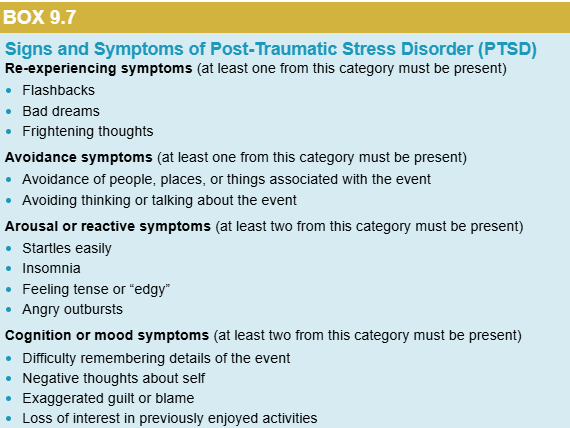
PTSD is a response to traumatic events involving actual or threatened death or severe injury. Symptoms persist for more than one month and include increased anxiety, emotional numbing, insomnia, impaired concentration, and dissociation.
Intense feelings of fear and dread with recurring mental reruns of the event
Avoidance behaviors and emotional numbing
Impaired social or work functioning
Obsessive-Compulsive Disorder (OCD)
OCD is characterized by obsessions (recurrent, persistent, unwanted thoughts or images causing anxiety) and compulsions (repetitive behaviors performed to reduce anxiety).
Obsessions: Intrusive thoughts, images, or urges
Compulsions: Ritualistic behaviors such as hand washing, checking, or counting
Pharmacological Treatments for Anxiety
SSRIs (Selective Serotonin Reuptake Inhibitors)
SSRIs are commonly used to treat anxiety disorders.
Examples: Lexapro, Celexa, Prozac, Luvox, Zoloft, Paxil
Side effects: Weight gain, insomnia, nausea, fatigue, sexual dysfunction
Serotonin syndrome: Excess serotonin can cause fever and other symptoms
Benzodiazepine Medications
Benzodiazepines are used for short-term relief of anxiety symptoms but carry risks of addiction and respiratory distress.
Examples: Alprazolam (Xanax), Clonazepam (Klonopin), Diazepam (Valium), Lorazepam (Ativan), Temazepam (Restoril)
Side effects: Drowsiness, hypotension, confusion, headache, dry mouth, dizziness, tachycardia, seizures, tremors
Buspirone (Buspar): A non-addictive alternative
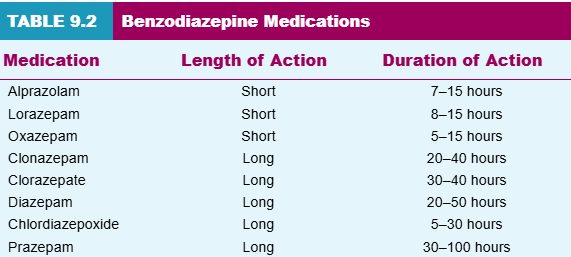
Medication | Length of Action | Duration of Action |
|---|---|---|
Alprazolam | Short | 7–15 hours |
Lorazepam | Short | 8–15 hours |
Oxazepam | Short | 5–15 hours |
Clonazepam | Long | 20–40 hours |
Clorazepate | Long | 30–40 hours |
Diazepam | Long | 20–50 hours |
Chlordiazepoxide | Long | 5–30 hours |
Prazepam | Long | 30–100 hours |
Nursing Interventions for Anxiety Disorders
Assess mood and orientation daily
Monitor blood pressure (standing, sitting)
Assess for paradoxical excitement and blood dyscrasias
Offer strategies to relieve dry mouth
Administer medication with food or milk
Observe for potential side effects
Mood Disorders
Major Depressive Disorder
Major depressive disorder involves persistent depressed mood or loss of interest in activities for at least two weeks.
Symptoms: Hopelessness, guilt, melancholy, self-blame, fatigue, appetite loss, weight changes, decreased libido, crying episodes, irritability, anxiety, excessive worry, somatic symptoms, lack of concentration, difficulty making decisions
Theories: Functional deficit of neurotransmitters, genetic/biologic predisposition, substance/medication effects, psychosocial factors
Postpartum Depression
Symptoms are similar to other depressive disorders
Seasonal Affective Disorder (SAD)
Associated with decreased daylight hours
Symptoms resolve with increased sunlight in spring
Typical symptoms: Sadness, lack of energy
Bipolar and Related Disorders
Bipolar disorder is characterized by abnormal, erratic shifts in mood, energy, and functional ability, often with a genetic component.
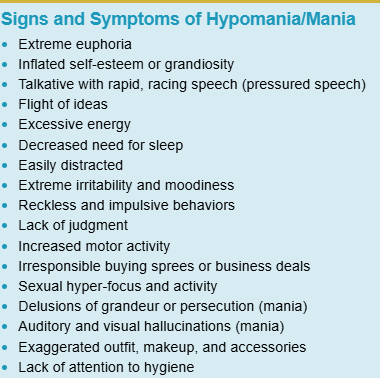
Hypomania: Mild to moderate mania lasting at least 4 days
Mania: Full-blown manic episodes with decreased need for sleep, grandiosity, incessant talking, impulsive behavior, moodiness, irritability
Cyclothymic Disorder
Chronic mood disturbance with fluctuating periods of hypomanic symptoms and depression
Antidepressant Medications
Monoamine oxidase inhibitors (MAOIs): Early medications, interact with foods/meds, risk of hypertensive crisis
Tricyclic antidepressants (TCAs): 1950s, risk of arrhythmias, requires monitoring
Serotonin-specific reuptake inhibitors (SSRIs): 1980s, fewer side effects
Mood-Stabilizing Agents
Lithium carbonate: Effective for mania, not depression; serum level measurement (0.6–1.2 mEq/L); sodium levels affect absorption
Anticonvulsants: Used as mood stabilizers
Personality Disorders
Overview
Personality disorders are deeply ingrained, persistent, inflexible, and maladaptive patterns of behavior that conflict with cultural norms.
Persistent pattern of suspicion or mistrust
Inability to achieve closeness in relationships
Critical of others, unable to take constructive criticism
Paranoid Personality Disorder
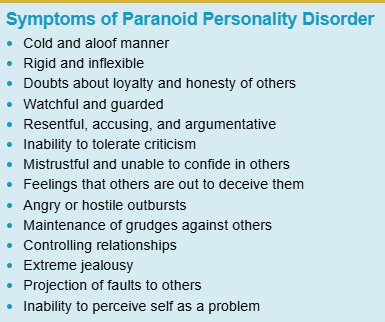
Suspicious nature, angry or hostile outbursts
Rigid, inflexible, efficient
Inability to achieve closeness in relationships
Unable to take constructive criticism, critical of others
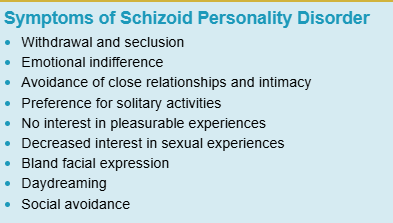
Schizoid Personality Disorder
Reclusive, emotional indifference
Bland affect, unresponsive to positive emotions
Oblivious to perception of behaviors by others
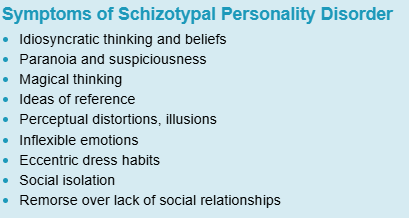
Schizotypal Personality Disorder
Socially secluded, withdrawn
Unusual patterns of thinking/communicating
Magical thinking, perceptual distortions
Rigid, inflexible emotions
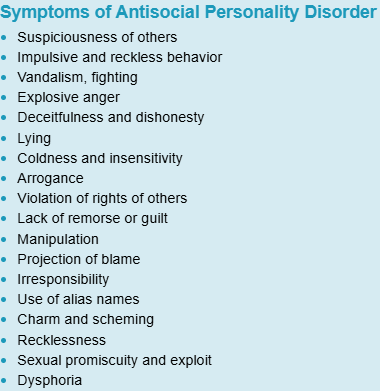
Antisocial Personality Disorder
Persistent disregard for rights of others
Cold indifference to laws and humanity
Impulsive, victimizes others for self-gain
Continual involvement with law enforcement
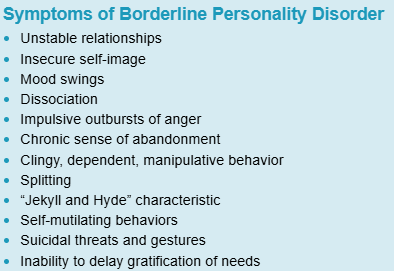
Borderline Personality Disorder
Unstable relationships, insecurity, mood swings
Impulsive, angry outbursts, emotionally labile
Chronic sense of emptiness, abandonment, anxiety
Splitting, brief episodes of paranoia, hallucinations
Suicide threats, self-mutilation
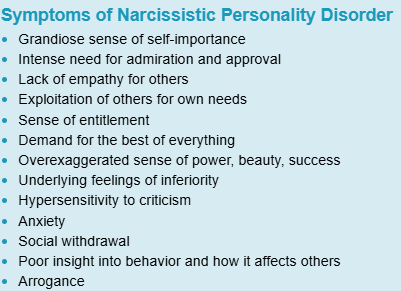
Narcissistic Personality Disorder
Exaggerated sense of self-importance
Arrogance, entitlement
Underlying feelings of inferiority, envy
Little regard for others’ feelings
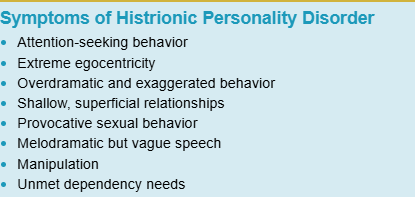
Histrionic Personality Disorder
Extreme egocentricity, emotionalism
Demanding personal attention
Melodramatic, exaggerated behaviors
Superficial relationships
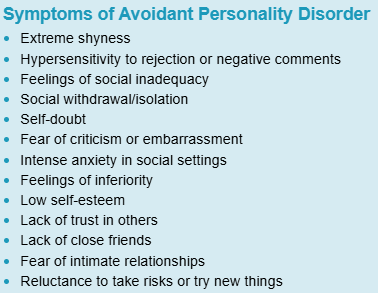
Avoidant Personality Disorder
Shy, sensitive to negative comments
Avoids interactions, intense anxiety in groups
Perceives rejection, self-doubt, low self-esteem
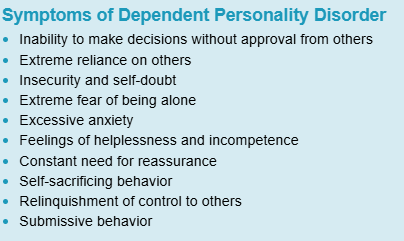
Dependent Personality Disorder
Extreme dependence on others
Helplessness, incompetence, insecurity
Fear of being alone, inability to make decisions
Increased involvement in abusive relationships
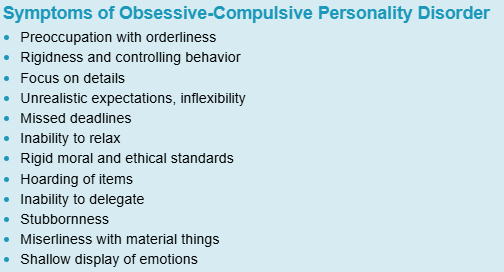
Obsessive-Compulsive Personality Disorder
Conscientious, highly organized
Preoccupied with order, perfection
Rigid, controlling, highly critical
Deadlines provoke high anxiety
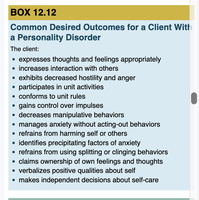
Desired Outcomes for Clients with Personality Disorders
Expresses thoughts and feelings appropriately
Increases interaction with others
Exhibits decreased hostility and anger
Participates in unit activities
Gains control over impulses
Decreases manipulative behaviors
Manages anxiety without acting out behaviors
Refrains from harming self or others
Identifies precipitating factors of anxiety
Claims ownership of own feelings and thoughts
Verbalizes positive qualities about self
Makes independent decisions about self-care
Somatic Symptom and Related Disorders
Somatic Symptom Disorder
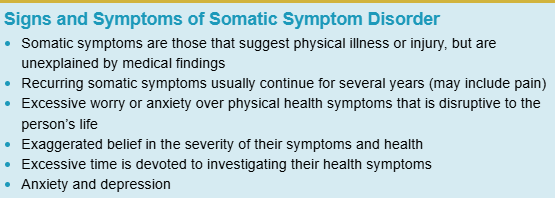
Somatic symptom disorder involves physical symptoms that suggest illness or injury but are unexplained by medical findings.
Recurring somatic symptoms, often including pain
Excessive worry or anxiety about health symptoms
Exaggerated belief in severity of symptoms
Excessive time spent investigating health symptoms
Anxiety and depression
Illness Anxiety Disorder
Fear and preoccupation with having a serious illness despite contrary evidence
Symptoms usually absent or mild
Concerns disproportionate to actual illness
Reassurance does not relieve anxiety
Overconcern regarding health issues consumes life
Conversion Disorder
Conversion disorder involves neurological symptoms (e.g., paralysis, blindness) that cannot be explained by medical evaluation.
Autonomic nervous system activation: increased heart rate, muscle tension, increased GI motility
Treatment of Somatic Disorders
Education about diagnosis is the first treatment option for conversion disorder
Psychotherapy is the standard treatment for factitious disorder
Primary and Secondary Gain
Primary gain: Anxiety is relieved and focus is diverted to the physical problem
Secondary gain: Attention received from health care providers or family members
Psychotherapies Used
Individual therapy: Limited benefit due to mistrust
Group/behavior modification: Improves interaction skills and understanding of perception by others
Family therapy: Supports overall treatment
Additional info:
These notes expand on brief points with academic context, definitions, and examples for clarity and completeness.
