 Indietro
Microbial Control, Antimicrobial Therapy, and Drug Resistance: Study Notes for Anatomy & Physiology
Guida di studio - Note intelligenti
 Appunti personalizzati basati sui tuoi materiali, ampliati con definizioni chiave, esempi e contesto.
Microbial Control
Sterilization and Disinfection
Microbial control is essential in medical and laboratory settings to prevent infection and contamination. The main methods include sterilization, disinfection, antisepsis, sanitization, and cleaning.
Sterilization: Destroys all microbes, including endospores (but not always prions). Used for surgical instruments and lab materials.
Disinfection: Treats inanimate objects, destroys vegetative cells but not endospores. Legal definition: destroys all organisms in 10 minutes.
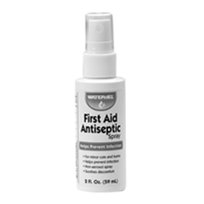
Antiseptic: Used on living tissue to minimize infection risk. External use only.
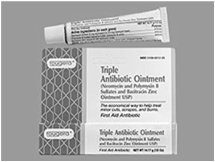
Antibiotic: Kills bacteria, often used internally but some are topical.
Sanitization and Cleaning
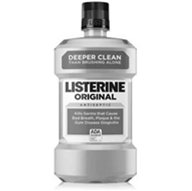
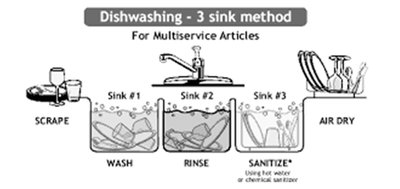
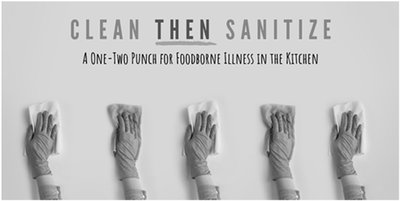
Sanitization lowers microbial numbers to safe public health levels, commonly used in hotels, daycare, restaurants, and for hand hygiene. Cleaning removes visible dirt and debris, which is a prerequisite for effective sanitization.
Sanitization: Legal definition: destroys 99.999% of bacteria in 30 seconds.
Cleaning: Removes visible dirt and organic matter.
How Soap Works
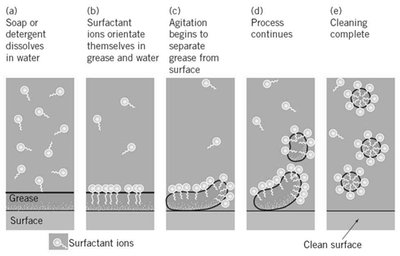
Soap and detergents are surfactants that help remove grease and microbes from surfaces. The process involves dissolving, orienting, separating, and removing grease and dirt.
Surfactant ions: Orient themselves in grease and water, allowing agitation to separate grease from surfaces.
Cleaning process: Soap molecules surround grease, allowing it to be rinsed away.
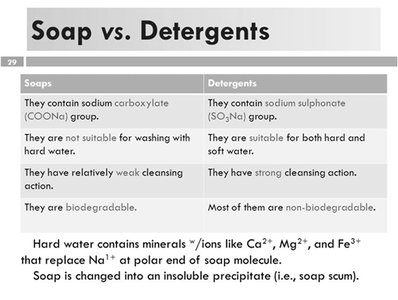
Soap vs. Detergents
Soaps and detergents differ in their chemical structure and effectiveness, especially in hard water.
Soaps: Contain sodium carboxylate (COONa) group, not suitable for hard water, weak cleansing action, biodegradable.
Detergents: Contain sodium sulphonate (SO3Na) group, suitable for hard and soft water, strong cleansing action, most are non-biodegradable.
Physical Methods of Microbial Control
Heat, Filtration, Cold, Dessication, Radiation
Physical methods are used to control microbial growth in various settings. Some methods achieve sterility, while others only reduce microbial numbers.
Heat: Includes dry heat, boiling, pasteurization, autoclaving. Autoclave achieves sterility.
Filtration: Removes microbes from solutions using membrane filters of varying pore sizes.
Cold: Slows microbial growth but does not kill.
Dessication: Drying inhibits microbial growth.
Radiation: Includes UV, X-ray, gamma ray; can sterilize surfaces and materials.
Filter Sterilization
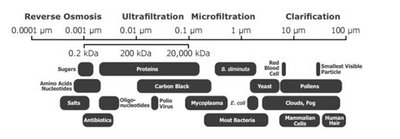
Filtration is used to sterilize heat-sensitive solutions. Membrane filters with different pore sizes exclude various microbes.
0.45 µm: Clarification
0.22 µm: Excludes most microbial contaminants (not mycoplasma)
0.1 µm: Rated for mycoplasma and small microbes, but slower flow
Chemical Methods of Microbial Control
Resistance of Microorganisms to Chemicals
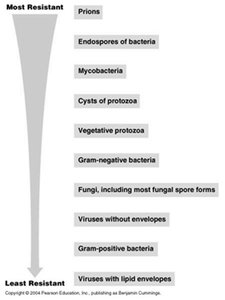
Microbes vary in their resistance to chemical agents. Understanding this helps select appropriate disinfectants and antiseptics.
Most resistant: Prions, endospores, mycobacteria
Least resistant: Viruses with lipid envelopes
Antimicrobial Therapy
Chemotherapeutic Agents
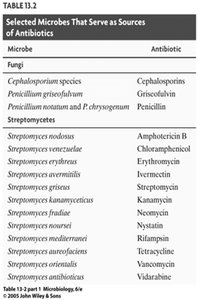
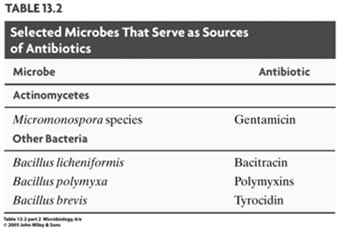
Antimicrobial agents include antibiotics (naturally produced by microbes) and synthetic drugs (produced in the lab). Selective toxicity is a key principle, aiming to harm microbes without excessive harm to the host.
Antibiotics: Produced by fungi and bacteria, target specific microbial processes.
Synthetic drugs: Laboratory-made, often mimic natural antibiotics.
Selective toxicity: The "magic bullet" concept—targets microbes, spares host.
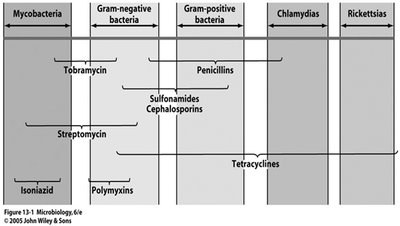
Spectrum of Activity
Antimicrobials are classified as broad-spectrum (effective against many types of microbes) or narrow-spectrum (target specific groups).
Broad-spectrum: Useful for mixed infections or when causative agent is unknown.
Narrow-spectrum: Preferred when causative agent is known to minimize disruption of normal flora.
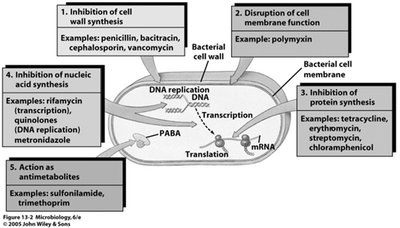
Mode of Action
Antimicrobials kill or inhibit microbes by targeting specific cellular processes.
Inhibition of cell wall synthesis: Penicillins, cephalosporins, vancomycin
Disruption of cell membrane function: Polymyxins
Inhibition of protein synthesis: Tetracyclines, erythromycin, streptomycin
Inhibition of nucleic acid synthesis: Rifamycin, quinolones, metronidazole
Action as antimetabolites: Sulfonamides, trimethoprim
Antibiotic-Associated Diarrhea (Clostridium difficile)
Etiology and Pathogenesis
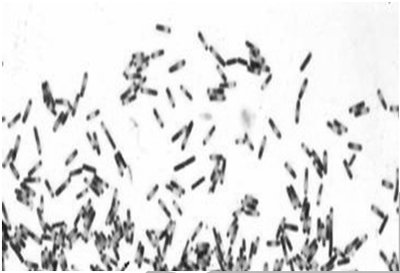
Clostridium difficile is a Gram-positive, anaerobic, endospore-forming rod that causes antibiotic-associated diarrhea, especially after broad-spectrum antibiotic use.
Reservoir: Endogenous or environmental spores
Pathogenicity: Opportunistic superinfection after loss of normal intestinal flora
Pathogenesis: Two exotoxins cause inflammation and fluid loss; may progress to pseudomembranous colitis (can be fatal)
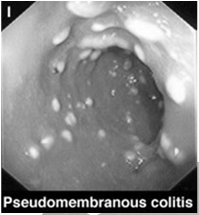
Epidemiology, Symptoms, Diagnosis
Epidemiology: #1 cause of nosocomial diarrhea; 15,000-30,000 deaths/year
Symptoms: Diarrhea, cramps, fever, possible colon perforation
Diagnosis: Stool isolation, toxin identification, endoscopic observation
Treatment, Prevention, and Control
Treatment: Stop antibiotics, use vancomycin or metronidazole (targets anaerobes), fecal transplant in exceptional cases to restore normal flora
Recurrence: ~25% due to germination of residual spores
Drug Resistance
Mechanisms of Drug Resistance
Microbes can evade drugs through several mechanisms, leading to treatment failure and the spread of resistant strains.
Destroy the drug: Enzymatic breakdown
Prevent drug entry: Altered permeability
Pump drug out: Efflux pumps
Change cellular target: Mutation or modification of drug target
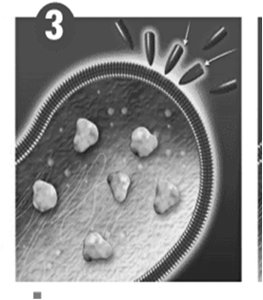
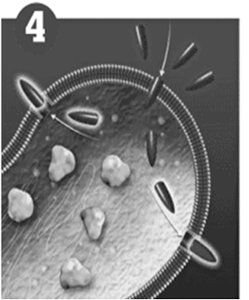
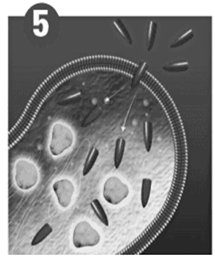
Development of Drug Resistance
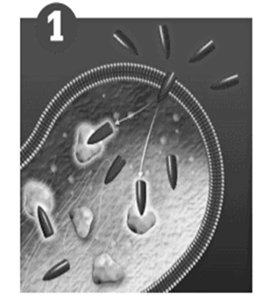
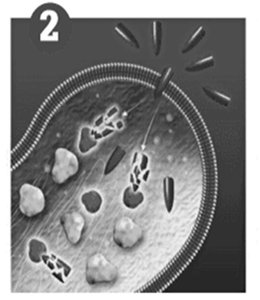
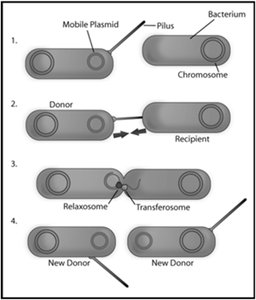
Drug resistance genes may be acquired by mutation or by gaining an R plasmid (resistance plasmid). Antibiotics do not induce mutations but select for resistant organisms.
Antibiotic Misuse and Overuse
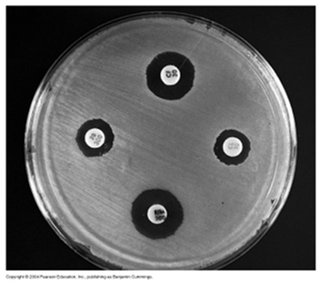
Misuse and overuse of antibiotics contribute to the rise of multiple-drug resistant (MDR) bacteria.
Misuse: Using antibiotics for viral infections, not finishing prescriptions, using leftover meds
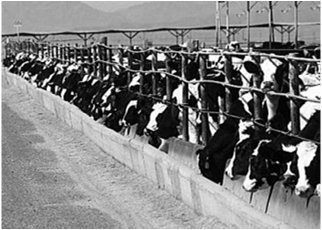
Overuse: Livestock feedlots, presence in meat and milk, environmental runoff

Methicillin-Resistant Staphylococcus aureus (MRSA)
Etiology and Background
MRSA is caused by Staphylococcus aureus, a Gram-positive staphylococcus resistant to beta-lactam antibiotics. There are two main types: hospital-associated (HA-MRSA) and community-associated (CA-MRSA).
Reservoir: 25-30% of people colonized with S. aureus; ~1% with MRSA
Transmission: Direct contact, fomites
The 5 C's: Crowding, Contact, Compromised skin, Contaminated items, Cleanliness
Symptoms, Virulence, Treatment
Symptoms: Red bumps resembling pimples, boils, or spider bites; can progress to deep abscesses and systemic infection
Virulence factors: Drug resistance genes, USA300 strain (leukocidin, necrotizing pneumonia)
Treatment: Other antibiotics, vancomycin (last resort), draining abscesses
Risk Factors and Control
HA-MRSA: Hospitalization, recent antibiotic use; control with handwashing, sterile IVs and catheters
CA-MRSA: Young, elderly, immunocompromised, contact sports, sharing personal items; control with hygiene, wound care, sanitizing clothing and linens
Antimicrobials for Other Microbes
Antivirals
Antivirals inhibit viral replication rather than kill viruses. They are limited to certain viruses and can be expensive.
Targets: Herpes, HIV, influenza, hepatitis B & C, COVID
HIV treatment: HAART (highly active antiretroviral therapy), combination drugs, PrEP (pre-exposure prophylaxis)
Antifungal, Antiprotozoan, Antihelminthic Agents
These drugs target eukaryotic pathogens but often have toxic side effects due to similarities with human cells.
Phage Therapy
Phage therapy uses bacteriophages to treat bacterial infections. It is highly specific, harmless to the host and beneficial bacteria, and resistance is minimal.
History: Used in former USSR countries since 1917; clinical trials ongoing
Administration: Topical, oral, injection (may trigger immune response)
Uses: Wound and intestinal illnesses, MRSA, food safety (FDA-approved phage spray against Listeria)
Potential: Treating coral reefs, honeybee diseases
Summary Table: Microbial Control Methods
Method | Target | Application |
|---|---|---|
Sterilization | All microbes, endospores | Surgical instruments, lab materials |
Disinfection | Vegetative cells | Surfaces, equipment |
Antiseptic | Living tissue | Skin, wounds |
Sanitization | Lower microbial numbers | Public spaces, hands |
Cleaning | Visible dirt | All surfaces |
Summary Table: Drug Resistance Mechanisms
Mechanism | Description |
|---|---|
Destroy the drug | Enzymatic breakdown |
Prevent drug entry | Altered permeability |
Pump drug out | Efflux pumps |
Change cellular target | Mutation/modification |
Summary Table: Antimicrobial Agents
Agent | Target | Example |
|---|---|---|
Antibiotic | Bacteria | Penicillin |
Antiviral | Viruses | AZT (HIV) |
Antifungal | Fungi | Amphotericin B |
Antiprotozoan | Protozoa | Metronidazole |
Antihelminthic | Helminths | Mebendazole |
Key Equations
Log reduction for sanitization:
Percent reduction:
Additional info: Expanded explanations and tables were added for completeness and academic context.
