 Indietro
Movements at Synovial Joints: Anatomy & Physiology Study Guide
Guida di studio - Note intelligenti
 Appunti personalizzati basati sui tuoi materiali, ampliati con definizioni chiave, esempi e contesto.
Movements at Synovial Joints
Overview of Synovial Joint Movements
Synovial joints are highly mobile joints that allow a wide range of movements essential for daily activities and complex motions. These movements are classified into gliding, angular, rotational, and special movements, each with distinct anatomical and functional characteristics.
Gliding Movements
Angular Movements
Rotational Movements
Special Movements
Gliding Movements
Gliding occurs when one flat bone surface slides over another, producing limited movement. This is typical in joints where bones are nearly flat and allows for subtle shifts.
Definition: Movement of flat bone surfaces over each other.
Examples: Intercarpal joints (wrist), intertarsal joints (ankle), and between articular processes of vertebrae.
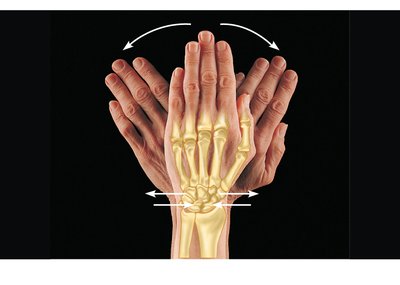
Angular Movements
Angular movements change the angle between two bones and occur along specific anatomical planes.
Movements Along the Sagittal Plane
Flexion: Decreases the angle of the joint, bringing bones closer together.
Extension: Increases the angle of the joint, moving bones farther apart.
Hyperextension: Extension beyond the normal range of motion.
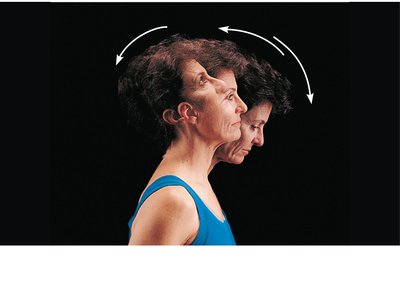
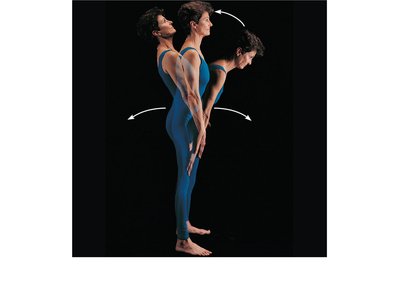
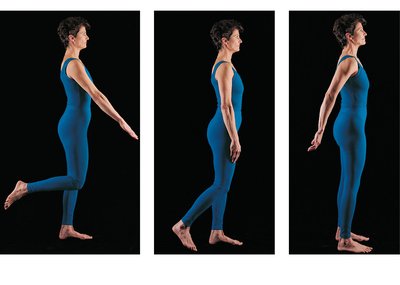
Movements Along the Frontal Plane
Abduction: Movement away from the midline of the body.
Adduction: Movement toward the midline of the body.
Circumduction: Combination of flexion, abduction, extension, and adduction, resulting in a circular motion.
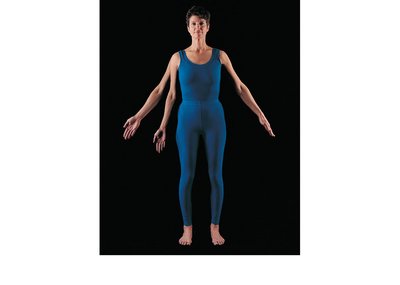
Rotational Movements
Rotation involves turning a bone around its own long axis.
Medial Rotation: Rotating toward the midline.
Lateral Rotation: Rotating away from the midline.
Examples: Rotation between C1 and C2 vertebrae, rotation of humerus and femur.
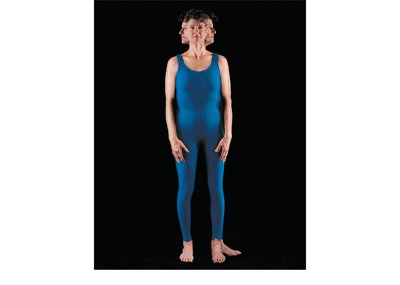
Special Movements
Special movements are unique to certain joints and body regions.
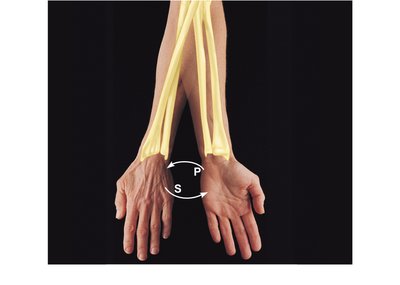
Movements of the Forearm
Supination: Turning the palm upward; radius and ulna are parallel.
Pronation: Turning the palm downward; radius rotates over ulna.
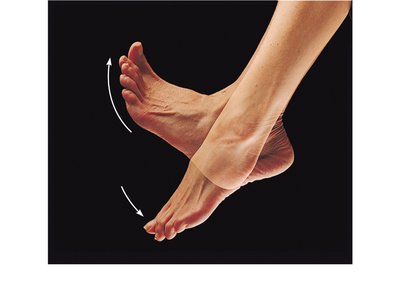
Movements of the Foot
Dorsiflexion: Upward movement of the foot.
Plantar Flexion: Downward movement of the foot.
Inversion: Turning the sole of the foot medially.
Eversion: Turning the sole of the foot laterally.
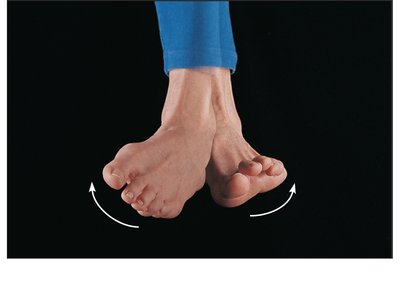
Movements in the Transverse Plane
Protraction: Moving a body part anteriorly (forward).
Retraction: Moving a body part posteriorly (backward).
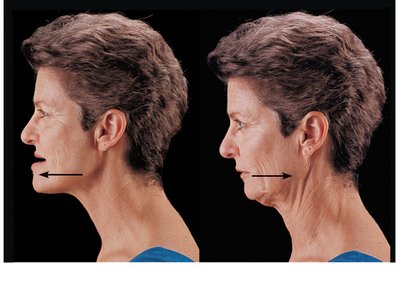
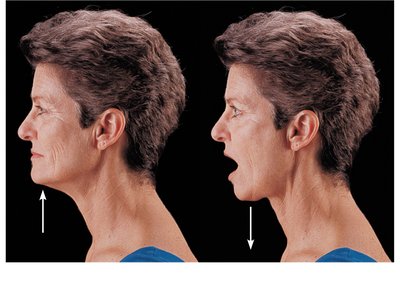
Elevation and Depression
Elevation: Lifting a body part superiorly.
Depression: Moving a body part inferiorly.
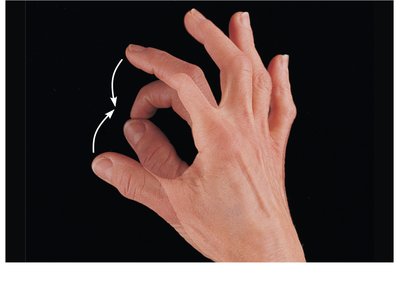
Opposition
Opposition: Movement in the saddle joint so that the thumb touches the tips of the other fingers, enabling grasping and manipulation.
Summary Table: Synovial Joint Movements
Movement Type | Definition | Example |
|---|---|---|
Gliding | Sliding of flat bone surfaces | Intercarpal joints |
Flexion | Decrease angle between bones | Bending elbow |
Extension | Increase angle between bones | Straightening knee |
Abduction | Move away from midline | Raising arm sideways |
Adduction | Move toward midline | Lowering arm to side |
Circumduction | Circular movement | Shoulder rotation |
Rotation | Bone turns on axis | Head turning |
Supination | Palm up | Forearm |
Pronation | Palm down | Forearm |
Dorsiflexion | Foot up | Walking on heels |
Plantar flexion | Foot down | Standing on tiptoes |
Inversion | Sole medially | Foot |
Eversion | Sole laterally | Foot |
Protraction | Move forward | Mandible |
Retraction | Move backward | Mandible |
Elevation | Lift superiorly | Shoulder shrug |
Depression | Move inferiorly | Opening mouth |
Opposition | Thumb touches fingers | Grasping objects |
Key Terms and Definitions
Synovial Joint: A freely movable joint characterized by a fluid-filled joint cavity.
Plane: Anatomical direction along which movement occurs (sagittal, frontal, transverse).
Axis: The line around which rotation occurs.
Applications and Clinical Relevance
Understanding synovial joint movements is essential for diagnosing joint injuries, planning physical therapy, and comprehending normal and pathological movement patterns. Example: Restricted range of motion in flexion or extension may indicate joint pathology or injury. Additional info: The notes expand on brief points by providing definitions, examples, and clinical context to ensure completeness and academic quality.
