 Indietro
Pathogenic Gram-Negative Bacteria: Rickettsias, Chlamydias, Spirochetes, and Vibrios
Guida di studio - Note intelligenti
 Appunti personalizzati basati sui tuoi materiali, ampliati con definizioni chiave, esempi e contesto.
Gram-Negative Cocci
Neisseria
Neisseria is a genus of Gram-negative cocci, notable for its pathogenic species that affect humans. These bacteria are non-motile diplococci, oxidase positive, and possess fimbriae and capsules that contribute to their virulence. Lipid A endotoxin is a key component of their outer membrane, causing inflammatory responses. Neisseria species are fastidious, requiring enriched media and 5% CO2 for growth, and are sensitive to drying and extreme temperatures. They are normal flora on mucous membranes, but pathogenic species include N. gonorrhoeae and N. meningitidis.
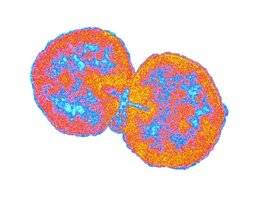
Neisseria gonorrhoeae
N. gonorrhoeae causes gonorrhea, a common sexually transmitted infection, especially in adolescents in the southeastern United States. It is more frequently found in women than men. Virulence factors include fimbriae for attachment to epithelial cells, IgA protease, and the ability to survive and multiply in neutrophils, facilitating deeper tissue invasion- could cause arthritis, pelvic inflammatory disease.
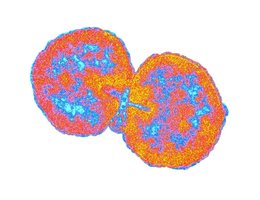
Symptoms
Men: Acute inflammation of the urethra within 2-5 days, painful urination, purulent discharge.
Women: 50% asymptomatic; symptoms may mimic bladder or vaginal yeast infection. Bacteria attach to cervix, uterus, and Fallopian tubes, leading to pelvic inflammatory disease.
Newborns: Infection during delivery can cause inflammation of the cornea and conjunctiva, potentially leading to blindness.
Diagnosis, Treatment, and Prevention
Diagnosis: Gram stain (Gram-negative diplococci in pus), genetic probes, cultures.
Treatment: Cephalosporin (due to penicillin resistance).
Prevention: No vaccine; anti-microbial solutions for newborns' eyes, safe sex, education, surveillance, and screening of contacts.
Neisseria meningitidis
N. meningitidis is a normal flora of the upper respiratory tract but can cause meningitis, especially in crowded conditions. Its polysaccharide capsule resists degradation in phagocytes, and Lipid A endotoxin causes fever, vasodilation, inflammation, and shock.
Symptoms
Sudden onset of sore throat, fever, headache, stiff neck, vomiting, convulsions.
Arthritis and hearing loss.
Rapid progression; death can occur within 6 hours after symptom onset.
Septicemia and shock due to Lipid A endotoxin.
Petechiae (hemorrhagic skin lesions) may progress to large black lesions.
100% fatal if untreated.
Diagnosis, Treatment, and Prevention
Diagnosis: Gram-negative diplococci in spinal fluid phagocytes, biochemical tests (maltose fermentation), serological tests for antibodies (Ab).
Treatment: IV ceftriaxone reduces mortality to 10%.
Prevention: Prophylactic treatment of exposed individuals, vaccine (not effective in children under 2; strain B is not immunogenic).
Process of Type 3 Secretions:
Rickettsias, Chlamydias, Spirochetes, and Vibrios
Rickettsias
Rickettsias are extremely small, obligate intracellular parasites with minimal peptidoglycan in their cell walls. They possess functional genes for protein synthesis, ATP production, and reproduction. Four genera cause human disease: Rickettsia, Orienta, Ehrlichia, and Anaplasma.
Rickettsia
Transmitted via arthropod vectors.
Bacteria live in the cytosol of host cells.
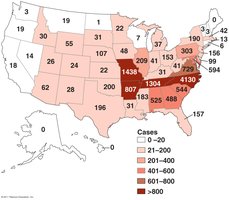
Three main species: R. rickettsii (Rocky Mountain spotted fever), R. prowazekii (epidemic typhus), R. typhi (murine typhus).
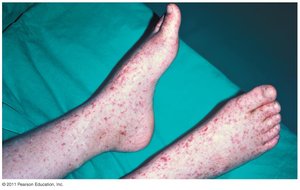
Rocky Mountain Spotted Fever (R. rickettsii)
Transmitted by hard ticks.
Most infected individuals develop a rash on trunk and appendages.
Approximately 5% mortality rate.
Prevention: Avoiding ticks.
Epidemic Typhus (R. prowazekii)
Transmitted by human body louse.
Occurs in crowded, unsanitary conditions.
Prevention: Good personal hygiene, vaccine for high-risk populations.
Murine Typhus (R. typhi)
Transmitted by fleas among animal hosts and humans.
Not usually fatal; most common in southern U.S.
Prevention: Avoiding arthropod vectors.
Orienta
Mites are the reservoir and vector.
O. tsutsugamushi causes scrub typhus.
Prevention: Avoiding exposure to mites.
Ehrlichia and Anaplasma
Cause human monocytic ehrlichiosis (E. chaffeensis) and anaplasmosis (Anaplasma phagocytophilum).
Transmitted by ticks.
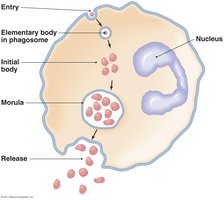
Three developmental stages in leukocytes: elementary body, initial body, morula.
Prevention: Avoiding ticks.

Chlamydias
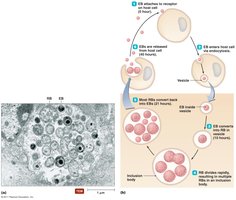
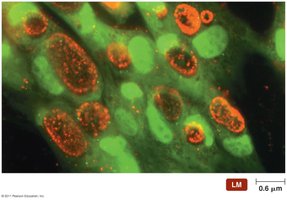
Chlamydias are bacteria without cell walls, possessing two membranes with no peptidoglycan. They grow and multiply only within vesicles of host cells and have a unique developmental cycle involving elementary bodies and reticulate bodies.
Chlamydia trachomatis
Limited host range; infects conjunctiva and mucous membranes.
Most common reportable sexually transmitted disease in the U.S.
Clinical manifestations due to cell destruction and inflammatory response.
Diseases
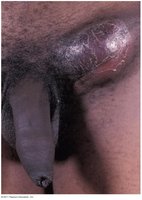
Lymphogranuloma venereum, nongonococcal urethritis, proctitis.
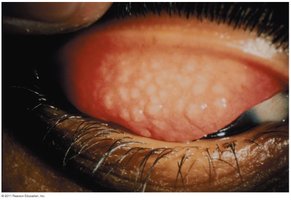
Trachoma (ocular disease): Leading cause of nontraumatic blindness in humans, often occurs during childbirth.
Diagnosis, Treatment, and Prevention
Diagnosis: Demonstration of bacteria inside cells from infection site.
Treatment: Antibiotics for genital and ocular infections; surgical correction for trachoma.
Prevention: Abstinence, prompt use of antibacterial agents to prevent blindness.
Chlamydophila pneumoniae
Causes bronchitis, pneumonia, and sinusitis.
Most infections are mild; severe cases resemble atypical pneumonia.
Prevention is difficult due to ubiquity.
Chlamydia psittaci
Causes ornithosis, a disease of birds that can be transmitted to humans.
Usually causes flulike symptoms; greatest risk for animal handlers.
Transmitted via inhalation of aerosols or contact with infected material.
Difficult diagnosis due to similarity with other respiratory infections.
Spirochetes
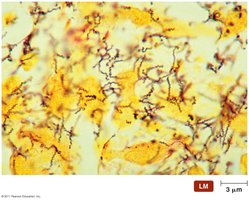
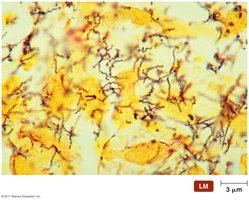
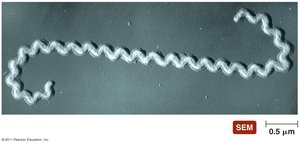
Spirochetes are thin, tightly coiled, helically shaped bacteria that move in a corkscrew fashion, enabling them to burrow through host tissues. Three genera cause human disease: Treponema, Borrelia, and Leptospira.
Treponema
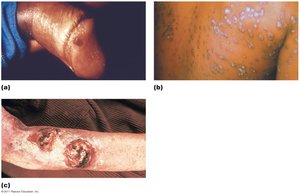
T. pallidum pallidum is the causative agent of syphilis.
Transmission is almost solely via sexual contact; can also be transmitted from mother to fetus.
Syphilis can result in fetal death or developmental malformations.

Diagnosis, Treatment, and Prevention
Diagnosis: Antibody tests against bacterial antigens; tertiary syphilis is difficult to diagnose.
Treatment: Penicillin (ineffective against tertiary syphilis).
Prevention: Abstinence and safe sex.
Nonvenereal Treponemal Diseases
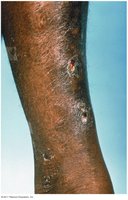
Bejel (T. pallidum endemicum), Pinta (T. carateum), Yaws (T. pallidum pertenue).
Primarily seen in impoverished children in unsanitary conditions.
Borrelia
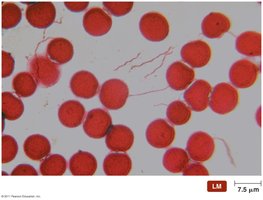
Lightly staining, Gram-negative spirochetes.
Cause Lyme disease and relapsing fever.
Lyme Disease
Borrelia burgdorferi is the causative agent.
Transmitted via tick bite (Ixodes genus).
Tick life cycle is important for understanding disease spread.
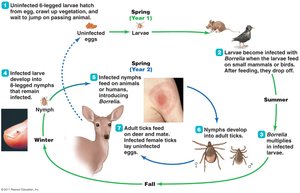
Three phases in untreated patients: expanding red "bull's-eye" rash, neurological symptoms and cardiac dysfunction, severe arthritis.
Increase in cases due to closer association with Borrelia-infected deer ticks.
Antimicrobial drugs effective in first stage; later stages are difficult to treat.
Prevention: Avoiding ticks.

Relapsing Fever
Louse-borne (Borrelia recurrentis) and tick-borne (several Borrelia species).
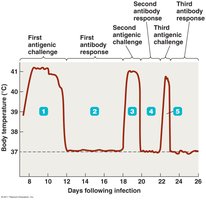
Characterized by recurring episodes of septicemia and fever due to repeated immune response.
Diagnosis: Observation of spirochetes.
Treatment: Antimicrobial drugs.
Prevention: Avoidance of ticks and lice, good hygiene, repellents.
Leptospira
Motile, obligately aerobic bacteria found in wild and domestic animals.
L. interrogans causes leptospirosis, entering through cuts/abrasions and traveling via bloodstream.
Eradication is impractical due to animal reservoirs; vaccine available for livestock and pets.
Pathogenic Gram-Negative Vibrios
Vibrios
Share characteristics with enteric bacteria; found in water environments worldwide.
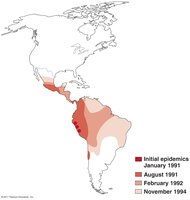
Vibrio cholerae causes cholera, transmitted by contaminated food and water.
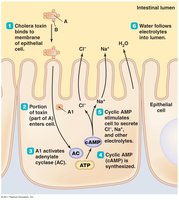
Characteristic "rice-water stool"; cholera toxin is the main virulence factor.
Other Vibrio Diseases
V. parahaemolyticus: Cholera-like gastroenteritis from shellfish ingestion.
V. vulnificus: Septicemia from contaminated shellfish or wounds exposed to seawater.
Diagnosis and Treatment
Diagnosis: Based on characteristic diarrhea.
Treatment: Fluid and electrolyte replacement; antimicrobials lost in watery stool.
Prevention: Adequate sewage and water treatment.
Campylobacter jejuni
Most common cause of gastroenteritis in the U.S.
Reservoirs: Many animals; poultry is the most common source.
Produces self-limiting bloody and frequent diarrhea.
Prevention: Proper food handling and preparation.
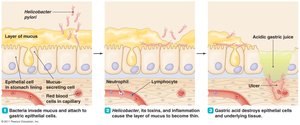
Helicobacter pylori
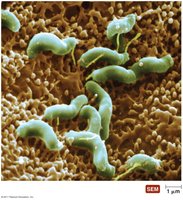
Slightly helical, motile bacterium colonizing the stomach.
Causes gastritis and most peptic ulcers.
Virulence factors enable colonization of the stomach.
Diagnosis: Positive urease test, biochemical tests.
Treatment: Antimicrobials combined with acid inhibitors.
Prevention: Good hygiene, sewage treatment, proper food handling.
