 Indietro
Study Guide: Anatomy and Physiology of the Respiratory System
Guida di studio - Note intelligenti
 Appunti personalizzati basati sui tuoi materiali, ampliati con definizioni chiave, esempi e contesto.
Respiratory System Overview
Functions of the Respiratory System
The respiratory system is essential for gas exchange, sound production, olfaction, and protection of the airways. It brings oxygen into the body to fuel cellular processes and removes carbon dioxide, a waste product of metabolism.
Gas Exchange: Oxygen is absorbed and carbon dioxide is expelled.
Sound Production: Air movement over vocal folds enables speech.
Smell: Air passes over olfactory receptors in the nasal cavity.
Protection: Coughing and sneezing clear airways of debris.
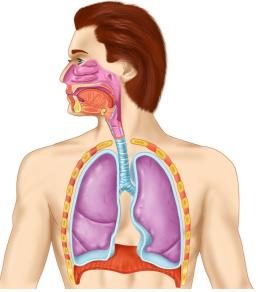
Respiration: Processes and Zones
Major Processes of Respiration
Respiration involves several distinct processes: ventilation, gas exchange, and cellular oxygen utilization. These processes occur in specialized zones of the respiratory system.
Ventilation: The physical movement of air in and out of the lungs (inhalation and exhalation).
External Respiration: Gas exchange between air in the lungs and red blood cells.
Internal Respiration: Gas exchange between red blood cells and body tissues.
Oxygen Utilization: Cells use oxygen for metabolic processes.
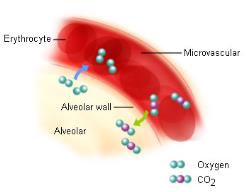
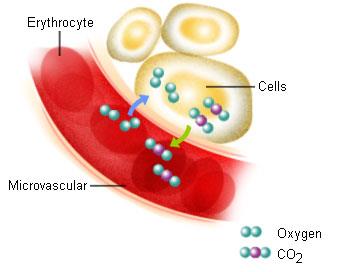
Gas Exchange: External and Internal Respiration
Gas exchange occurs at two main sites: the lungs (external respiration) and tissues (internal respiration). Oxygen and carbon dioxide move across membranes by diffusion.
External Respiration: Oxygen diffuses from alveoli into blood; carbon dioxide diffuses from blood into alveoli.
Internal Respiration: Oxygen diffuses from blood into tissues; carbon dioxide diffuses from tissues into blood.
Anatomy of the Respiratory System
Conducting Zone vs. Respiratory Zone
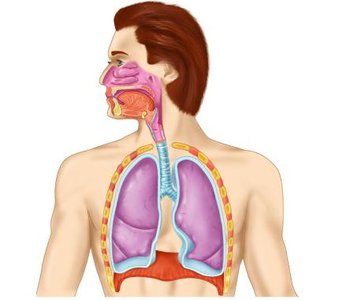
The respiratory system is divided into the conducting zone and the respiratory zone. The conducting zone transports, warms, humidifies, and filters air, while the respiratory zone is where gas exchange occurs.
Conducting Zone: Includes nasal cavity, pharynx, larynx, trachea, bronchi, and bronchioles.
Respiratory Zone: Includes respiratory bronchioles, alveolar ducts, and alveoli.
Structure of the Lungs and Bronchial Tree
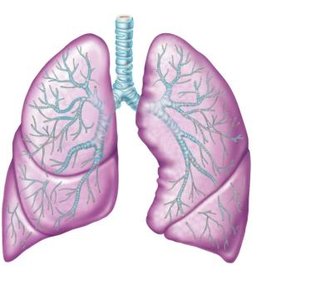
The lungs are divided into lobes and contain a branching bronchial tree that delivers air to alveoli. The right lung has three lobes, and the left lung has two lobes.
Main Bronchi: Right and left primary bronchi enter each lung.
Lobar Bronchi: Each lobe is served by a lobar bronchus.
Segmental Bronchi: Further divisions serve bronchopulmonary segments.
Bronchioles: Smallest airways, lack cartilage, lead to alveolar ducts.
Alveoli and Respiratory Membrane
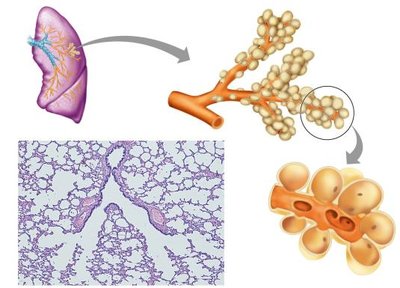
Alveoli are tiny air sacs where gas exchange occurs. The respiratory membrane consists of alveolar epithelium, capillary endothelium, and fused basal laminae.
Type I Cells: Simple squamous cells forming the alveolar wall.
Type II Cells: Cuboidal cells that secrete surfactant to reduce surface tension.
Macrophages: Remove debris and pathogens.
Alveolar Pores: Equalize air pressure between alveoli.
Nasal Cavity and Paranasal Sinuses
Structure and Function of the Nose
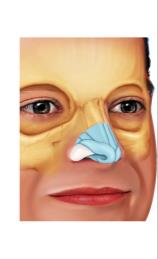
The nose and nasal cavity filter, warm, and humidify incoming air. Specialized cells in the nasal cavity detect odors.
Nasal Bones: Provide structural support.
Hyaline Cartilage: Maintains shape and flexibility.
Dense Connective Tissue: Adds strength.
Vibrissae: Protective hairs in the vestibule.
Respiratory Mucosa
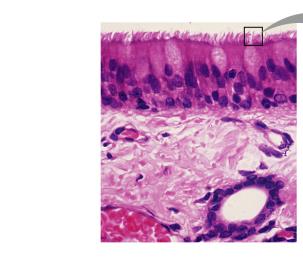
The nasal cavity is lined with pseudostratified ciliated columnar epithelium containing goblet cells that produce mucus. The lamina propria is highly vascular, warming the air.
Cilia: Move mucus toward the pharynx.
Goblet Cells: Secrete mucin, forming mucus.
Mucous Membrane: Epithelium plus lamina propria.
Paranasal Sinuses
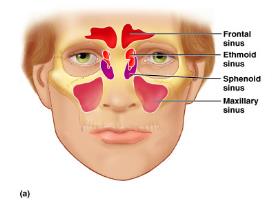
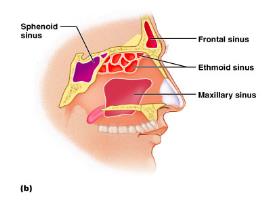
Paranasal sinuses are air-filled cavities in the skull that lighten the skull, warm and moisten air, and drain into the nasal cavity.
Frontal, Ethmoid, Sphenoid, Maxillary Sinuses: Each has a single opening into the nasal cavity.
Sinus Infection: Inflammation can block drainage and cause pain.
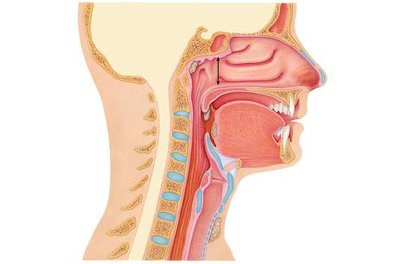
Pharynx and Larynx
Pharynx: Divisions and Functions
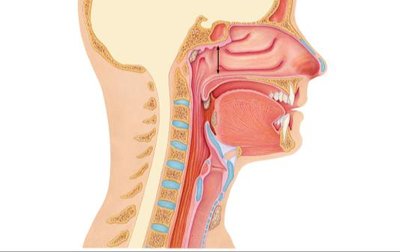
The pharynx connects the nasal cavity to the larynx and esophagus. It is divided into three regions, each with distinct epithelial linings and functions.
Nasopharynx: Posterior nares to soft palate; lined with pseudostratified ciliated columnar epithelium.
Oropharynx: Soft palate to epiglottis; lined with stratified squamous epithelium for protection.
Laryngopharynx: Epiglottis to larynx; also lined with stratified squamous epithelium.
Larynx: Structure and Function
The larynx is responsible for air passage and voice production. It contains cartilaginous structures and vocal folds.
Epiglottis: Elastic cartilage; covers larynx during swallowing.
Thyroid Cartilage: Hyaline cartilage; attachment site for vocal folds.
Cricoid and Arytenoid Cartilages: Support and anchor vocal folds.
Vocal Folds: True vocal cords; vibrate to produce sound.
Vestibular Folds: False vocal cords; provide support.
Mechanics of Breathing
Inhalation and Exhalation
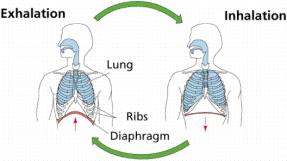
Breathing is driven by changes in thoracic cavity volume, primarily due to diaphragm and intercostal muscle movement. Air flows from areas of higher to lower pressure.
Inhalation: Diaphragm contracts and moves downward, ribs elevate, thoracic volume increases, air enters lungs.
Exhalation: Diaphragm relaxes and moves upward, ribs depress, thoracic volume decreases, air exits lungs.
Summary Table: Respiratory System Zones
Zone | Main Structures | Function |
|---|---|---|
Conducting Zone | Nasal cavity, pharynx, larynx, trachea, bronchi, bronchioles | Transport, warm, humidify, and filter air |
Respiratory Zone | Respiratory bronchioles, alveolar ducts, alveoli | Gas exchange |
Key Equations
Gas Exchange (Diffusion): Fick's Law of Diffusion: Where:
J = rate of diffusion
D = diffusion coefficient
A = surface area
ΔP = partial pressure difference
d = thickness of membrane
Additional info: Academic context was added to clarify the structure and function of respiratory zones, epithelial transitions, and mechanics of breathing.
