 Indietro
Study Guide: Major Muscles of the Head, Neck, and Upper Torso
Guida di studio - Note intelligenti
 Appunti personalizzati basati sui tuoi materiali, ampliati con definizioni chiave, esempi e contesto.
Muscles of the Head and Face
Overview of Facial Muscles
The muscles of the head and face are responsible for facial expression, mastication (chewing), and movements such as speaking and blinking. These muscles are generally thin and lie just beneath the skin, allowing for a wide range of expressive movements.
Temporalis: A broad, fan-shaped muscle on the side of the head, involved in elevating and retracting the mandible for chewing.
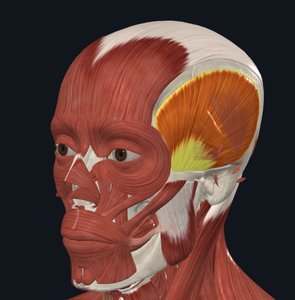
Masseter: A thick muscle at the jaw angle, one of the strongest muscles in the body, responsible for elevating the mandible (closing the jaw).
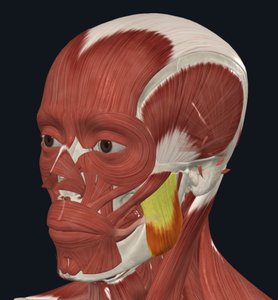
Orbicularis oris: Encircles the mouth, allowing for movements such as puckering, closing, and compressing the lips.
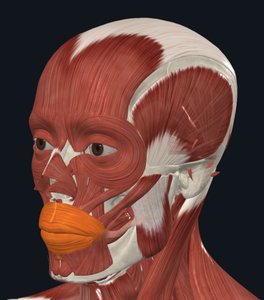
Orbicularis oculi: Surrounds the eye, enabling blinking, squinting, and closing the eyelids.
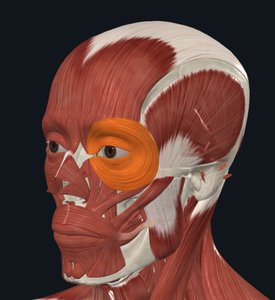
Mentalis: Located at the chin, responsible for elevating and protruding the lower lip, as in pouting.
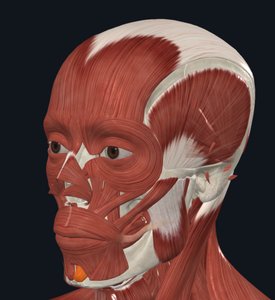
Buccinator: Forms the wall of the cheek, compresses the cheek during chewing and blowing.
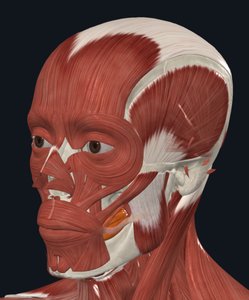
Nasalis: Covers the nose, involved in compressing and flaring the nostrils.
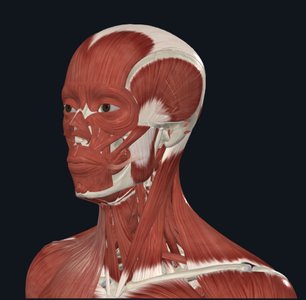
Muscles of Facial Expression
Facial expression muscles are unique because they insert into the skin rather than bone, allowing for subtle movements. Examples include:
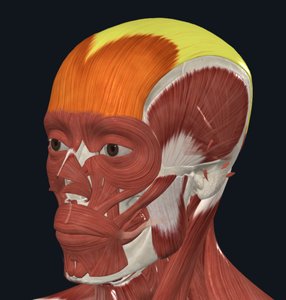
Occipitofrontalis: Consists of frontal and occipital bellies, raises eyebrows and wrinkles the forehead.
Buccinator: Compresses the cheek, important for whistling and sucking.
Muscles of the Neck
Major Neck Muscles
The neck muscles are essential for head movement, swallowing, and supporting the head. Key muscles include:
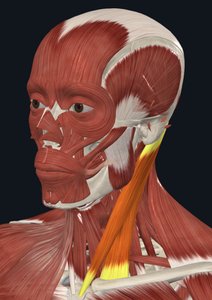
Sternocleidomastoid (SCM): A prominent muscle running from the sternum and clavicle to the mastoid process of the skull. It flexes and rotates the head.
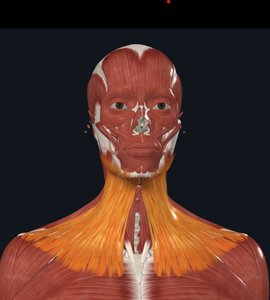
Platysma: A superficial muscle that tenses the skin of the neck and helps depress the mandible.
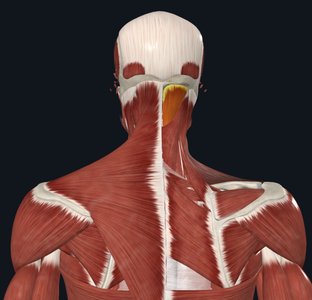
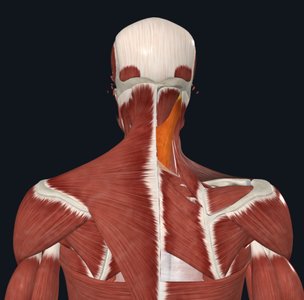
Semispinalis and Splenius Capitis: Deep muscles involved in extending and rotating the head.
Muscles of the Upper Torso
Back and Shoulder Muscles
The upper torso muscles stabilize and move the shoulder and upper limb. They are crucial for posture and arm movement.
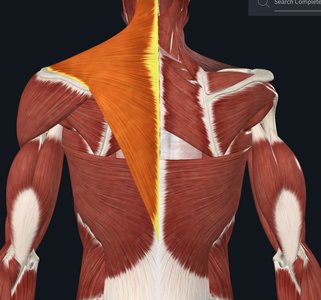
Trapezius: A large, triangular muscle covering the upper back and neck, responsible for moving, rotating, and stabilizing the scapula.
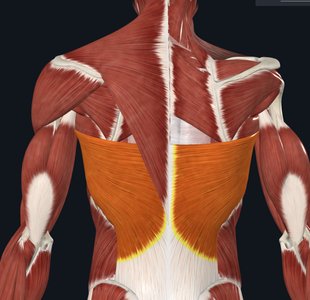
Latissimus Dorsi: A broad muscle of the lower back, involved in extension, adduction, and internal rotation of the shoulder.
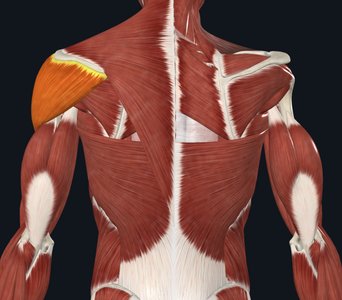
Deltoid: Covers the shoulder, responsible for abduction, flexion, and extension of the arm.
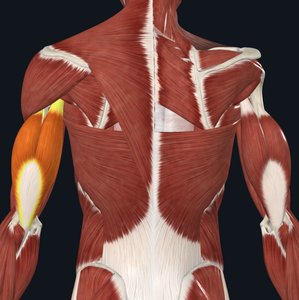
Triceps Brachii: Located on the posterior upper arm, extends the forearm at the elbow.
Levator Scapulae: Elevates the scapula and assists in neck flexion.
Summary Table: Major Muscles and Their Functions
Muscle | Location | Primary Function |
|---|---|---|
Temporalis | Side of head | Elevates/retracts mandible |
Masseter | Jaw angle | Elevates mandible |
Orbicularis oris | Around mouth | Closes/puckers lips |
Orbicularis oculi | Around eye | Closes eyelids |
Mentalis | Chin | Protrudes lower lip |
Buccinator | Cheek | Compresses cheek |
Nasalis | Nose | Compresses/flares nostrils |
SCM | Neck | Flexes/rotates head |
Platysma | Neck | Tenses skin, depresses mandible |
Trapezius | Upper back | Moves/stabilizes scapula |
Latissimus dorsi | Lower back | Extends/adducts shoulder |
Deltoid | Shoulder | Abducts arm |
Triceps brachii | Upper arm | Extends forearm |
Levator scapulae | Neck/upper back | Elevates scapula |
Key Concepts in Muscle Anatomy
Muscle Attachments and Actions
Muscles typically attach to bones via tendons. The origin is the fixed attachment, while the insertion moves with contraction. Muscles act as levers to produce movement at joints.
Agonist: The primary muscle responsible for movement.
Antagonist: Muscle that opposes the action of the agonist.
Synergist: Assists the agonist in performing the movement.
Fixator: Stabilizes the origin of the agonist.
Example: Jaw Movement
During chewing, the masseter and temporalis act as agonists to elevate the mandible, while the digastric acts as an antagonist to depress the mandible.
Additional info:
Some muscle names and functions were expanded for academic completeness. Images were included only when they directly corresponded to the muscle discussed in the paragraph.
