 Indietro
Systemic Circulation: Major Arteries and Veins of the Human Body ch.19
Guida di studio - Note intelligenti
 Appunti personalizzati basati sui tuoi materiali, ampliati con definizioni chiave, esempi e contesto.
Major Arteries of the Systemic Circulation
Overview of Systemic Arterial Flow
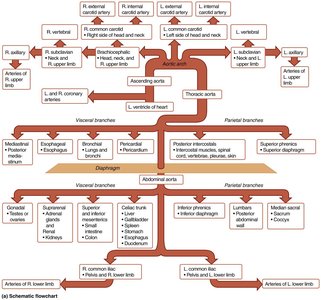
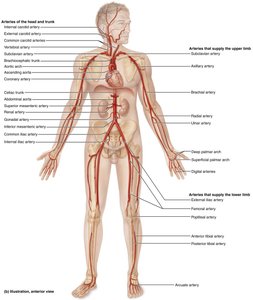
The systemic circulation delivers oxygenated blood from the heart to all body tissues and returns deoxygenated blood to the heart. The aorta is the main artery, branching into major arteries that supply the head, neck, upper limbs, thorax, abdomen, pelvis, and lower limbs.
Aorta: The largest artery, divided into ascending, arch, and descending (thoracic and abdominal) regions.
Branching Pattern: Arteries branch from the aorta to supply specific regions.
Key Arteries: Include carotid, subclavian, brachial, femoral, and iliac arteries.
Function: Transport oxygen and nutrients to tissues.
Arteries of the Head, Neck, and Brain
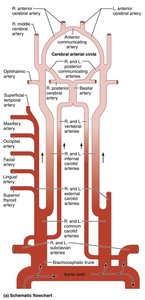
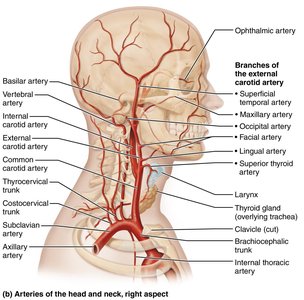
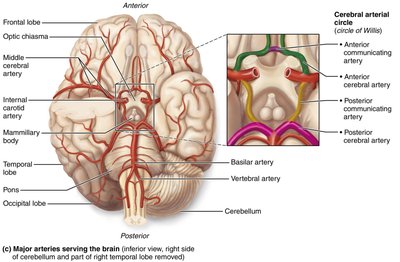
Arteries supplying the head, neck, and brain originate from the aortic arch and its branches. The carotid and vertebral arteries are primary sources for cerebral circulation.
External Carotid Artery: Supplies face, scalp, and neck.
Internal Carotid Artery: Supplies brain and eyes.
Vertebral Artery: Supplies posterior brain regions.
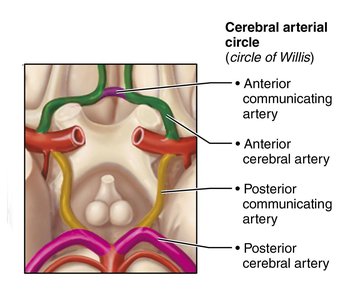
Cerebral Arterial Circle (Circle of Willis): An arterial ring at the base of the brain providing collateral circulation.
Arteries of the Right Upper Limb and Thorax
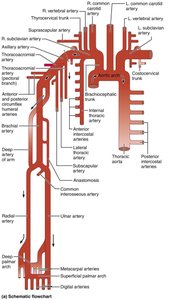
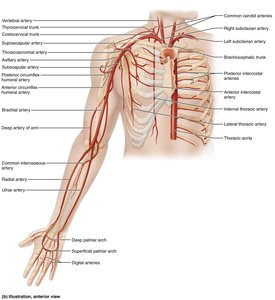
The arteries of the upper limb and thorax branch from the subclavian and axillary arteries, supplying the shoulder, arm, forearm, and hand.
Subclavian Artery: Supplies the upper limb and thoracic wall.
Axillary Artery: Continuation of the subclavian in the armpit region.
Brachial Artery: Main artery of the arm.
Radial and Ulnar Arteries: Supply forearm and hand.
Arteries of the Abdomen
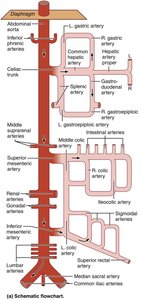
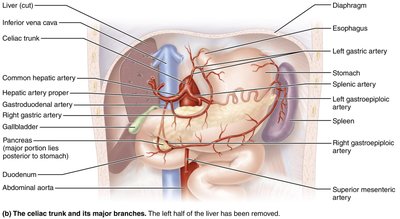
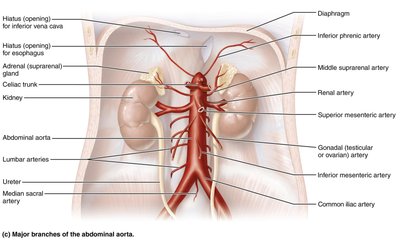
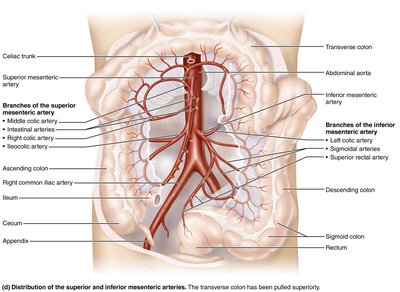
Abdominal arteries branch from the abdominal aorta, supplying digestive organs, kidneys, and pelvic structures.
Celiac Trunk: Supplies stomach, liver, spleen, and pancreas.
Superior Mesenteric Artery: Supplies small intestine and part of large intestine.
Inferior Mesenteric Artery: Supplies distal large intestine.
Renal Arteries: Supply kidneys.
Common Iliac Arteries: Supply pelvis and lower limbs.
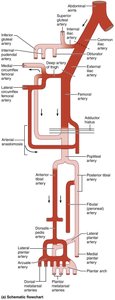
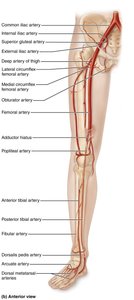
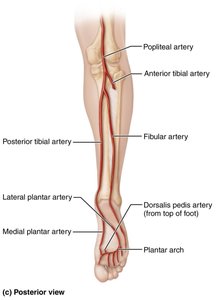
Arteries of the Right Pelvis and Lower Limb
Arteries supplying the pelvis and lower limb branch from the common iliac arteries, providing blood to the hip, thigh, leg, and foot.
Common Iliac Artery: Divides into internal and external iliac arteries.
Femoral Artery: Main artery of the thigh.
Popliteal Artery: Supplies the knee region.
Anterior and Posterior Tibial Arteries: Supply the leg and foot.
Major Veins of the Systemic Circulation
Overview of Systemic Venous Flow
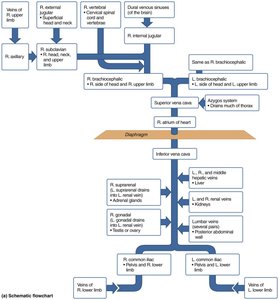
Veins return deoxygenated blood from body tissues to the heart. The superior and inferior vena cava are the largest veins, collecting blood from the upper and lower body, respectively.
Vein Structure: Veins have thinner walls and larger lumens than arteries.
Key Veins: Include jugular, subclavian, brachial, femoral, and iliac veins.
Function: Return blood to the right atrium of the heart.
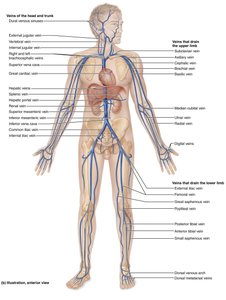
Venous Drainage of the Head, Neck, and Brain
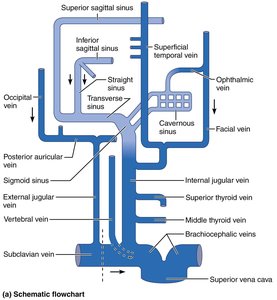
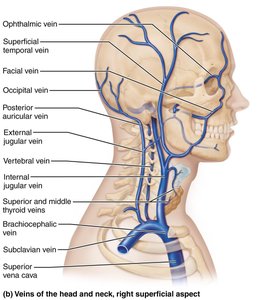
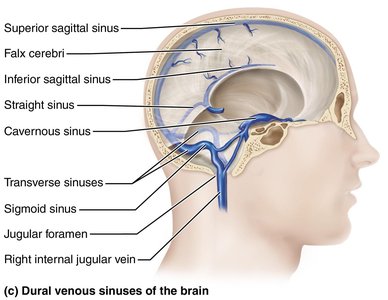
Venous drainage from the head, neck, and brain is primarily through the jugular veins and dural venous sinuses.
Internal Jugular Vein: Drains blood from the brain and deep structures of the head and neck.
External Jugular Vein: Drains superficial tissues of the head and neck.
Dural Venous Sinuses: Channels within the dura mater that drain blood from the brain.
Veins of the Thorax and Right Upper Limb
Veins of the thorax and upper limb return blood from the chest, shoulder, arm, forearm, and hand to the heart.
Subclavian Vein: Drains the upper limb.
Brachial Vein: Main vein of the arm.
Cephalic and Basilic Veins: Superficial veins of the forearm and arm.
Axillary Vein: Continuation of the basilic vein in the armpit region.
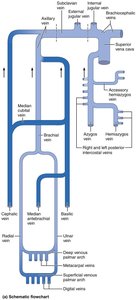
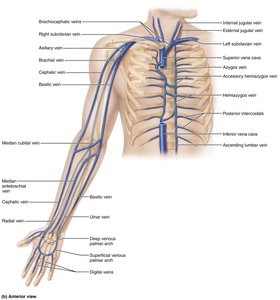
Veins of the Abdomen
Abdominal veins drain blood from digestive organs, kidneys, and pelvic structures, converging into the inferior vena cava.
Hepatic Veins: Drain blood from the liver.
Renal Veins: Drain blood from the kidneys.
Common Iliac Veins: Drain blood from the pelvis and lower limbs.
Veins of the Right Lower Limb
Veins of the lower limb return blood from the leg and foot to the pelvis, joining the common iliac veins.
Femoral Vein: Main vein of the thigh.
Popliteal Vein: Drains the knee region.
Anterior and Posterior Tibial Veins: Drain the leg and foot.
Great Saphenous Vein: Longest vein in the body, superficial in the leg.
Developmental Aspects of Blood Vessels
Embryonic and Fetal Circulation
Blood vessels develop early in embryogenesis, with the endothelium arising from mesodermal cells forming blood islands. The heart begins pumping blood through a rudimentary vascular system by week 4. Fetal circulation includes unique vascular modifications to bypass nonfunctional organs.
Blood Islands: Mesodermal cell clusters forming primitive vessels.
Vascular Endothelial Growth Factor: Determines arterial or venous fate.
Fetal Shunts:
Foramen ovale and ductus arteriosus bypass the lungs.
Ductus venosus bypasses the liver.
Umbilical vein and arteries connect fetus to placenta.
Postnatal Changes: Vessels adapt to tissue growth and healing; congenital vascular problems are rare.
Aging: Varicose veins, atherosclerosis, and hypertension may develop.
Summary Table: Major Arteries and Veins
Region | Major Arteries | Major Veins |
|---|---|---|
Head & Neck | Carotid, Vertebral | Jugular, Dural Sinuses |
Upper Limb | Subclavian, Axillary, Brachial, Radial, Ulnar | Subclavian, Axillary, Brachial, Cephalic, Basilic |
Thorax | Thoracic Aorta, Intercostal | Azygos, Hemiazygos |
Abdomen | Abdominal Aorta, Celiac Trunk, Mesenteric, Renal | Inferior Vena Cava, Hepatic, Renal |
Pelvis & Lower Limb | Iliac, Femoral, Popliteal, Tibial | Iliac, Femoral, Popliteal, Saphenous |
Key Terms and Concepts
Artery: Blood vessel carrying blood away from the heart.
Vein: Blood vessel carrying blood toward the heart.
Capillary: Smallest blood vessel, site of exchange between blood and tissues.
Collateral Circulation: Alternative pathways for blood flow, especially in the brain (Circle of Willis).
Vascular Shunt: Temporary vessel allowing blood to bypass certain organs in fetal circulation.
Equations and Formulas
Blood Flow Equation: Where is blood flow, is pressure difference, and is resistance.
Poiseuille's Law (for vessel flow): Where is vessel radius, is blood viscosity, is vessel length.
Clinical Relevance
Atherosclerosis: Hardening and narrowing of arteries due to plaque buildup.
Varicose Veins: Swollen, twisted veins, often in the legs.
Hypertension: Chronic high blood pressure, affecting vessel health.
Additional info: Academic context was added to expand brief points and ensure completeness for exam preparation.
