 Indietro
The Chemical Level of Organization: Molecules of Cells
Guida di studio - Note intelligenti
 Appunti personalizzati basati sui tuoi materiali, ampliati con definizioni chiave, esempi e contesto.
The Chemical Level of Organization
Carbon-Based Molecular Diversity
Carbon is the foundation of molecular diversity in cells, forming the backbone of organic compounds. By sharing electrons, carbon can bond to four other atoms, allowing for branching in multiple directions and the creation of complex molecules.
Organic compounds: Molecules containing carbon bonded to other elements.
Carbon's bonding ability: Enables the formation of diverse molecular structures.
Example: Sex hormones differ only in their functional groups, resulting in distinct biological effects.
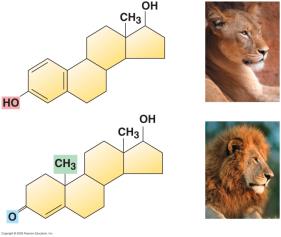
Chemical Groups and Functional Groups
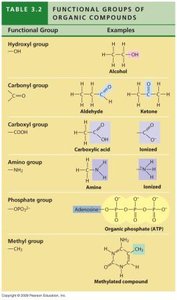
The properties of organic compounds are determined by their size, shape, and the functional groups attached. Functional groups are specific clusters of atoms that influence a molecule's function and solubility.
Functional groups: Hydroxyl, carbonyl, carboxyl, amino, phosphate, and methyl groups.
Hydrophilic compounds: Functional groups make molecules water-soluble, essential for biological roles.
Example: Table of functional groups and their chemical structures.
Functional Group | Structure | Example |
|---|---|---|
Hydroxyl | -OH | Alcohol |
Carbonyl | -C=O | Aldehyde, Ketone |
Carboxyl | -COOH | Carboxylic acid |
Amino | -NH2 | Amine |
Phosphate | -OPO32- | ATP |
Methyl | -CH3 | Methylated compound |
Macromolecules and Polymers
Classes of Biological Molecules
Cells synthesize a vast array of large molecules from a small set of monomers. The four main classes of biological macromolecules are carbohydrates, proteins, lipids, and nucleic acids.
Macromolecules: Large molecules essential for life.
Polymers: Chains of monomers linked together.
Monomers: Universal building blocks (e.g., amino acids, nucleotides).
Polymer Formation and Breakdown
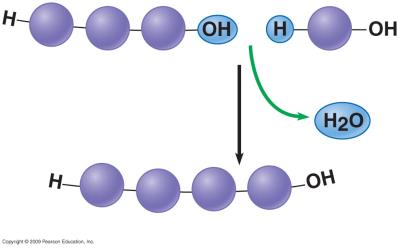
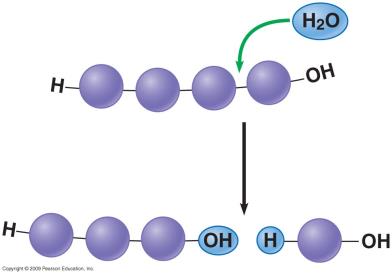
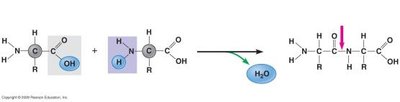
Monomers are joined to form polymers through dehydration reactions, which remove water. Polymers are broken down by hydrolysis, which adds water. Enzymes catalyze these reactions in cells.
Dehydration reaction: Builds polymers by removing water.
Hydrolysis: Breaks polymers by adding water.
Enzymes: Catalyze both reactions.
Equation:
Carbohydrates
Monosaccharides
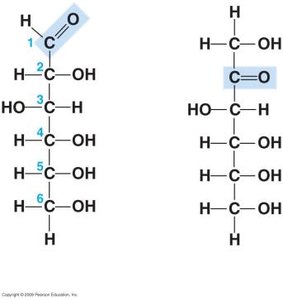
Monosaccharides are the simplest carbohydrates, serving as the main fuel for cellular work and as raw materials for other organic molecules. Their carbon skeletons vary in length.
Examples: Glucose (an aldose), fructose (a ketose).
Function: Energy source and precursor for other molecules.
Disaccharides
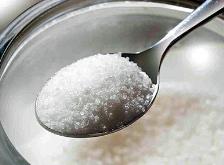
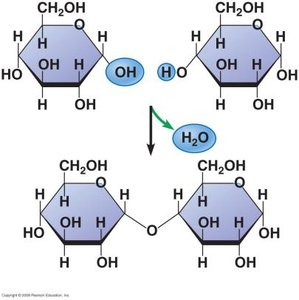
Disaccharides are formed when two monosaccharides join via a dehydration reaction. Sucrose (table sugar) is a common example.
Formation:
Example: Table sugar.
Polysaccharides
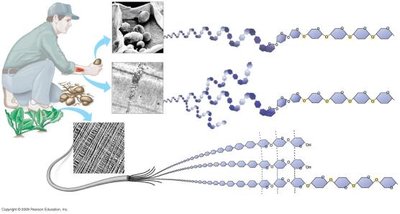
Polysaccharides are long chains of monosaccharides and serve as storage or structural molecules. They are hydrophilic and absorb water.
Starch: Storage in plants.
Glycogen: Storage in animals.
Cellulose: Structural component in plant cell walls.
Chitin: Structural component in exoskeletons of insects and crustaceans.
Lipids
Fats and Triglycerides
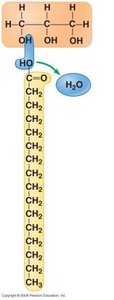
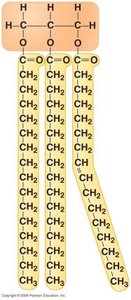
Fats are lipids that store energy and are composed of glycerol and fatty acids. They are hydrophobic and contain more energy than carbohydrates.
Structure: One glycerol linked to three fatty acids (triglyceride).
Formation:
Saturated vs. Unsaturated Fats
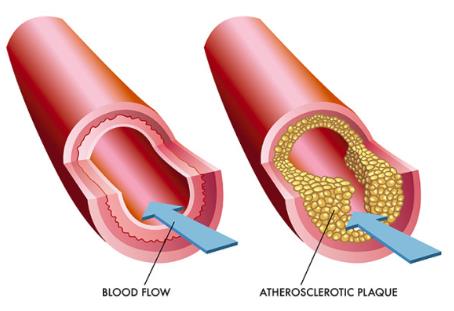
Saturated fats have the maximum number of hydrogen atoms, while unsaturated fats have double bonds causing kinks in the chain. Saturated and trans-fats can promote atherosclerosis.
Saturated fats: No double bonds, solid at room temperature.
Unsaturated fats: One or more double bonds, liquid at room temperature.
Atherosclerosis: Plaque buildup in arteries due to saturated/trans-fats.
Phospholipids and Steroids
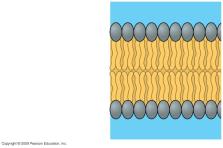
Phospholipids are major components of cell membranes, forming a bilayer with hydrophilic heads and hydrophobic tails. Steroids, such as cholesterol, have fused ring structures and are precursors to sex hormones.
Phospholipids: Essential for membrane structure.
Steroids: Cholesterol and sex hormones.
Proteins
Amino Acids and Peptide Bonds
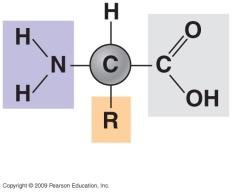
Proteins are polymers of amino acids, which have an amino group, a carboxyl group, a hydrogen atom, and an R group. Amino acids are linked by peptide bonds formed through dehydration reactions.
Structure: Central carbon with four groups.
Peptide bond: Covalent linkage between amino acids.
Protein Structure and Function
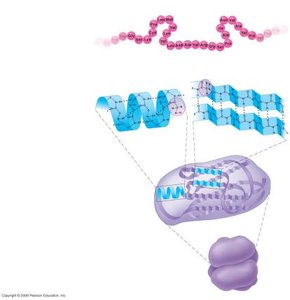
The shape of a protein determines its function. Proteins can be denatured by changes in temperature, salt concentration, or pH. There are four levels of protein structure: primary, secondary, tertiary, and quaternary.
Primary: Amino acid sequence.
Secondary: Alpha helix and beta pleated sheet.
Tertiary: Three-dimensional folding.
Quaternary: Association of multiple polypeptide chains.
Nucleic Acids
Nucleotides and DNA/RNA Structure
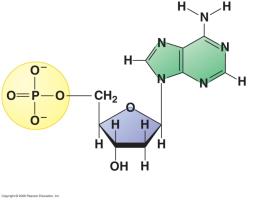
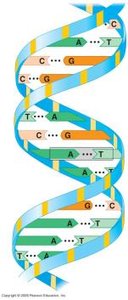
Nucleic acids (DNA and RNA) are polymers of nucleotides, each consisting of a 5-carbon sugar, a phosphate group, and a nitrogenous base. DNA is double-stranded, forming a double helix, while RNA is single-stranded.
Nucleotide components: Sugar, phosphate, nitrogenous base.
DNA bases: Adenine (A), Thymine (T), Cytosine (C), Guanine (G).
RNA bases: Adenine (A), Uracil (U), Cytosine (C), Guanine (G).
Base pairing: A-T, C-G in DNA; A-U, C-G in RNA.
Mutations and Genetic Material
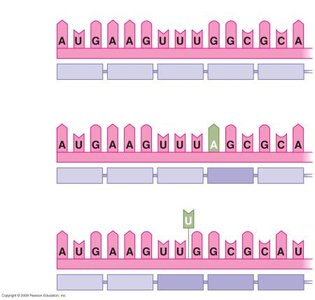
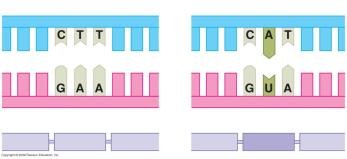
Mutations are changes in the nucleotide sequence of DNA, which can alter gene function and protein structure. They may be spontaneous or induced by mutagens. DNA is the genetic material, carrying instructions for protein synthesis.
Types of mutations: Base substitutions, deletions, insertions.
Effects: Can lead to nonfunctional proteins or diseases (e.g., sickle-cell anemia).
Carcinogenesis and Malignant Cells
Mechanisms of Carcinogenesis
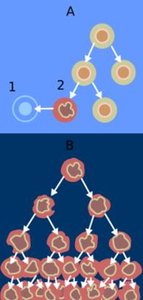
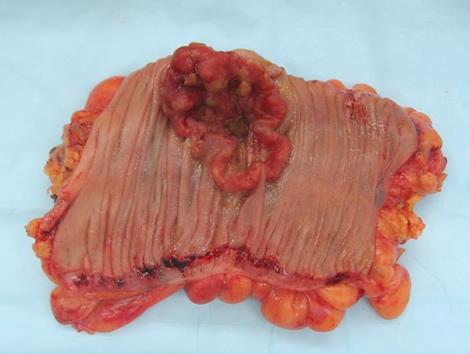
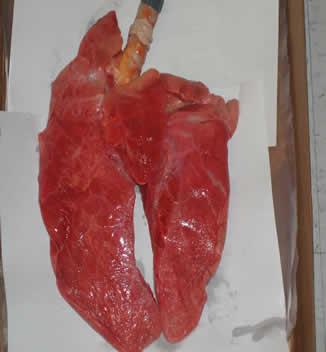
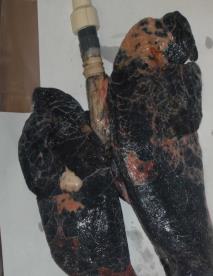
Cancer can arise from environmental, viral, or genetic factors, all of which cause mutations in DNA. Malignant cells avoid apoptosis and proliferate uncontrollably, often metastasizing to other organs.
Environmental: UV radiation, chemicals, pollution, diet.
Viruses: HPV, hepatitis B/C, Epstein-Barr virus.
Genetic: Family history, inherited mutations.
Malignant cell characteristics: Clonal origin, metastasis, invasiveness.
Oncogenes and Tumor Suppressor Genes
Oncogenes are cancer-causing genes, while tumor suppressor genes (such as p53 and p16) help prevent cancer by inactivating carcinogens, aiding DNA repair, and enhancing immune response.
Proto-oncogenes: Normal genes that can become oncogenes when mutated.
Tumor suppressor genes: Protect against cancer development.
Cancer Progression
Cancer develops gradually, starting from normal cells, progressing through benign adenomas, and culminating in malignant carcinomas with metastatic potential.
Stages: Loss of tumor suppressor genes, activation of oncogenes, further genetic changes.
Metastasis: Spread of cancer cells to distant organs.
Additional info: These notes provide foundational knowledge for understanding the chemical level of organization in Anatomy & Physiology, including molecular structure, function, and implications for health and disease.
