 Indietro
The Skeletal System: Structure and Components of the Vertebral Column and Thoracic Cage
Guida di studio - Note intelligenti
 Appunti personalizzati basati sui tuoi materiali, ampliati con definizioni chiave, esempi e contesto.
The Skeletal System
Overview of the Skeletal System
The skeletal system provides structural support, protection for internal organs, and facilitates movement through its articulation with muscles. It consists of bones, cartilage, ligaments, and joints. - Key Point 1: The human skeleton is divided into the axial and appendicular skeletons. - Key Point 2: The axial skeleton includes the skull, vertebral column, and thoracic cage. - Example: The vertebral column supports the body and protects the spinal cord. 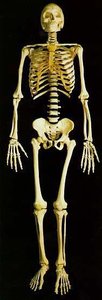
The Vertebral Column
Structure of a Typical Vertebra
Each vertebra has several key anatomical features that contribute to its function and articulation. - Vertebral Body: The main weight-bearing portion. - Vertebral Foramen: The opening through which the spinal cord passes. - Processes: Includes transverse, spinous, superior, and inferior articular processes for muscle attachment and articulation. - Lamina and Pedicle: Form the vertebral arch, protecting the spinal cord. 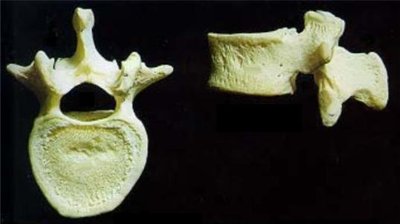
Cervical Vertebrae: C1 (Atlas) and C2 (Axis)
The first two cervical vertebrae are specialized for supporting the skull and allowing head movement. - C1 (Atlas): Lacks a vertebral body; articulates with the occipital condyles of the skull. - C2 (Axis): Contains the dens (odontoid process), which acts as a pivot for rotation of the atlas and skull. - Transverse Foramen: Unique to cervical vertebrae, allows passage of the vertebral artery. 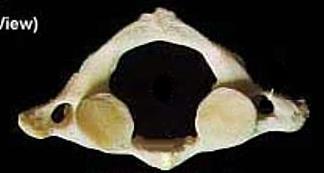
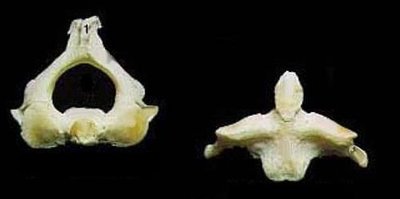
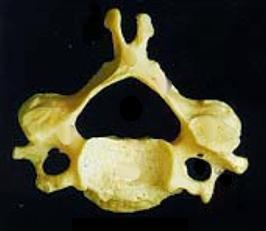
Thoracic Vertebrae
Thoracic vertebrae are characterized by facets for rib articulation. - Demifacet: Partial facet for articulation with the head of a rib. - Rib Facet: Articulates with the tubercle of the rib. - Spinous Process: Long and angled downward. 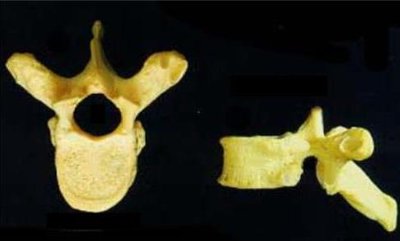
Lumbar Vertebrae
Lumbar vertebrae are larger and more robust, supporting more body weight. - Superior and Inferior Articular Processes: Allow for flexion and extension, but limit rotation. - Body: Large and thick for weight-bearing. 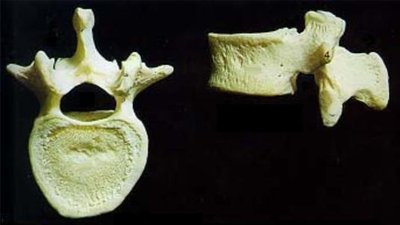
Sacrum and Coccyx
The sacrum and coccyx form the base of the vertebral column. - Sacral Promontory: Anterior projecting edge of the sacrum. - Sacral Foramina: Openings for sacral nerves. - Coccyx: Remnant of a tail, composed of fused vertebrae. 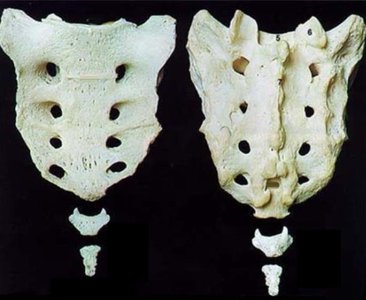
The Thoracic Cage
Rib Articulation
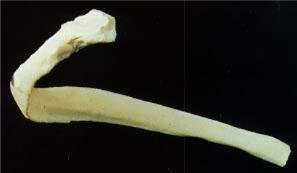
Ribs articulate with the thoracic vertebrae and the sternum, forming the thoracic cage. - Head: Articulates with the vertebral body. - Tubercle: Articulates with the transverse process. - Shaft: The elongated portion of the rib. 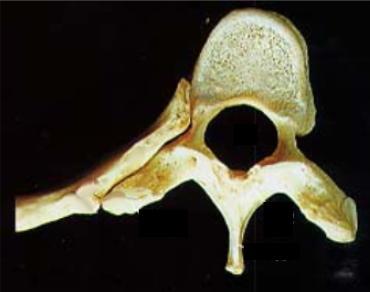
The Sternum
The sternum is a flat bone forming the anterior midline of the thoracic cage. - Manubrium: Superior portion, articulates with clavicles and first ribs. - Body: Main portion, articulates with costal cartilages of ribs 2-7. - Xiphoid Process: Inferior tip, attachment site for abdominal muscles. 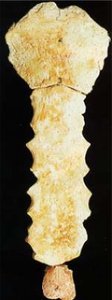
Summary Table: Vertebral Column Regions and Features
Region | Key Features | Function |
|---|---|---|
Cervical (C1-C7) | Transverse foramen, Atlas (C1), Axis (C2) with dens | Supports skull, allows head movement |
Thoracic (T1-T12) | Rib facets, demifacets, long spinous process | Articulates with ribs, protects thoracic organs |
Lumbar (L1-L5) | Large body, short spinous process | Supports body weight, allows flexion/extension |
Sacrum | Sacral promontory, sacral foramina | Stabilizes pelvis, transmits body weight |
Coccyx | Small, fused vertebrae | Attachment for ligaments and muscles |
Additional info:
The vertebral column is composed of 33 vertebrae in total: 7 cervical, 12 thoracic, 5 lumbar, 5 sacral (fused), and 4 coccygeal (fused). The thoracic cage protects vital organs such as the heart and lungs and assists in respiration.
