 Indietro
The Urinary System: Structure, Function, and Regulation
Guida di studio - Note intelligenti
 Appunti personalizzati basati sui tuoi materiali, ampliati con definizioni chiave, esempi e contesto.
The Urinary System
Overview and Functions
The urinary system is essential for maintaining homeostasis by regulating blood volume, blood pressure, pH, and plasma concentrations of nutrients and electrolytes. It is responsible for the excretion of metabolic wastes and the elimination of urine from the body.
Excretion: Removal of metabolic wastes from the blood.
Elimination: Discharge of wastes from the body.
Regulation: Controls blood volume, pressure, pH, and plasma concentrations.
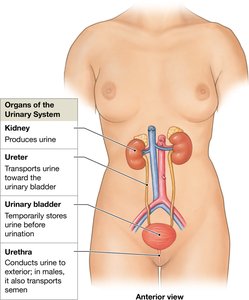
Anatomy of the Urinary System
The urinary system consists of four main organs:
Kidneys: Paired, retroperitoneal organs that produce urine. Each kidney is divided into an outer renal cortex and an inner renal medulla.
Ureters: Muscular tubes that transport urine from the kidneys to the bladder.
Urinary Bladder: Hollow, muscular organ that temporarily stores urine prior to urination.
Urethra: Tube that conducts urine from the bladder to the exterior; provides voluntary control over urination.
Kidney Structure and Blood Flow
Renal Cortex: Outer region of the kidney.
Renal Medulla: Inner region containing renal pyramids.
Renal Corpuscle: Site of filtration; consists of the glomerulus and glomerular capsule.
Nephron: Functional unit of the kidney; each kidney contains over one million nephrons.
Blood Flow: Renal arteries branch into segmental, interlobar, arcuate, and cortical radiate arteries, leading to afferent arterioles and the glomerulus. Efferent arterioles carry blood away, connecting to peritubular capillaries and vasa recta.
Nephron Structure and Function
Parts of the Nephron
The nephron is composed of a renal corpuscle and a renal tubule. Each segment has a distinct function in urine formation.
Renal Corpuscle: Filtration of blood occurs here.
Proximal Convoluted Tubule (PCT): Reabsorbs water, ions, and organic nutrients; secretes H+.
Nephron Loop (Loop of Henle):
Descending Limb: Permeable only to water; further absorption of water.
Ascending Limb: Impermeable to water; reabsorbs sodium and chloride ions.
Distal Convoluted Tubule (DCT): Secretes ions, acids, drugs, toxins; variable reabsorption of water, sodium, and calcium under hormonal control.
Collecting Duct: Collects filtrate from DCTs; variable reabsorption of water and ions under hormonal control.
Urine Formation: Filtration, Reabsorption, and Secretion
Urine formation involves three main processes:
Filtration: Blood pressure forces water and solutes across the filtration membrane into the renal corpuscle. Filtration membrane prevents passage of blood cells and proteins.
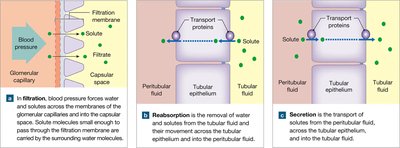
Reabsorption: Removal of water and solutes from the filtrate back into the body, primarily in the PCT and nephron loop.
Secretion: Active transport of solutes from the blood into the filtrate, mainly in the DCT and collecting duct.
Histology of the Nephron
The renal corpuscle contains a glomerulus surrounded by a glomerular capsule. The filtration membrane consists of fenestrated capillaries, podocytes with filtration slits, and a basement membrane. 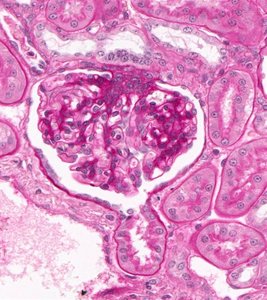
Regulation of Urine Production and GFR
Filtration Pressures
Filtration at the glomerulus is driven by several pressures:
Glomerular Hydrostatic Pressure (GHP): Pushes fluid and solutes out of capillaries.
Capsular Hydrostatic Pressure (CsHP): Pushes fluid back into capillaries from the capsule.
Blood Colloid Osmotic Pressure (BCOP): Pulls fluid back into capillaries.
Filtration Pressure Equation: Glomerular Filtration Rate (GFR): Amount of filtrate produced by the kidneys each minute.
Juxtaglomerular Apparatus and Hormonal Regulation
The juxtaglomerular apparatus regulates blood pressure and filtrate formation.
Macula Densa: Chemoreceptors and baroreceptors in the DCT.
Juxtaglomerular Cells: Secrete renin in response to low blood pressure.
Renin-Angiotensin-Aldosterone System (RAAS)
Renin converts angiotensinogen to angiotensin I.
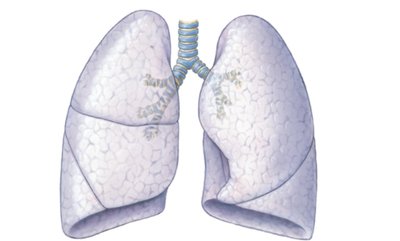
Angiotensin-converting enzyme (ACE) in the lungs converts angiotensin I to angiotensin II.
Angiotensin II increases blood pressure by vasoconstriction, stimulating aldosterone and ADH release, and sodium retention.
Atrial Natriuretic Peptide (ANP)
Released by the heart to lower blood volume and pressure.
Decreases sodium ion reabsorption and inactivates RAAS.
Autoregulation and Sympathetic Activation
Autoregulation compensates for minor changes in blood pressure by adjusting afferent/efferent arterioles.
Sympathetic activation shifts blood flow away from kidneys, lowering GFR.
Urinary Tract: Ureters, Bladder, and Urethra
Ureters
Muscular tubes that carry urine from the renal pelvis to the bladder.
Three layers: inner transitional epithelium, middle muscular layer, outer connective tissue.
Peristalsis helps move urine toward the bladder.
Urinary Bladder
Stores urine prior to urination.
Hollow, muscular organ (detrusor muscle).
Mucosal lining with rugae allows expansion.
Internal urethral sphincter provides involuntary control.
Urethra
Conducts urine from the bladder to the exterior.
External urethral sphincter provides voluntary control.
Shorter in females, increasing risk of infection.
Urination Reflexes
Urine Storage Reflex: Stretch receptors stimulate sympathetic impulses, inhibiting detrusor contraction and stimulating internal sphincter contraction.
Urine Voiding Reflex: Stretch receptors increase parasympathetic impulses, causing detrusor muscle contraction and internal sphincter relaxation.
Summary Table: Urine Formation Processes
Process | Location | Main Function |
|---|---|---|
Filtration | Renal Corpuscle | Blood pressure forces water and solutes into filtrate |
Reabsorption | PCT, Nephron Loop, DCT, Collecting Duct | Removal of water and solutes from filtrate back into body |
Secretion | DCT, Collecting Duct | Active transport of solutes into filtrate |
Key Terms and Concepts
Urea: Waste product from amino acid breakdown.
Creatinine: Waste from muscle metabolism.
Uric Acid: Waste from RNA breakdown.
Homeostasis: Maintenance of stable internal environment.
Review Questions
What three processes occur throughout the nephron?
After solutes are secreted from the nephron, where do they go?
What do juxtaglomerular cells secrete?
If blood pressure dropped, what would happen to the GFR?
What portion of the nephron loop is impermeable to water?
What portion of the nephron is permeable to water?
What enzyme converts angiotensin I to angiotensin II? Where is it found?
Does sympathetic or parasympathetic stimulation cause urination?
Additional info: Expanded explanations and context were added for clarity and completeness.
