 Indietro
Viruses- Mircobio
Guida di studio - Note intelligenti
 Appunti personalizzati basati sui tuoi materiali, ampliati con definizioni chiave, esempi e contesto.
Viruses
Characteristics of Viruses
Viruses are unique infectious agents that differ fundamentally from cellular organisms. They are not cells and are too small to be seen with a light microscope. Viruses cannot replicate independently; they require a host cell to reproduce.
Not cells: Viruses lack cellular structure and metabolic machinery.
Obligate intracellular parasites: They depend on host cells for replication.
Genome: Composed of either DNA or RNA, but never both.
Viral Components
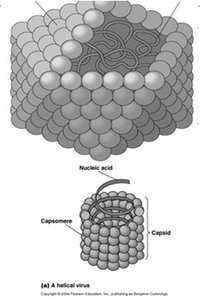
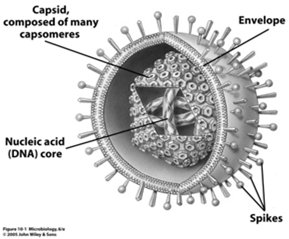
Viruses are composed of a genome surrounded by a protein coat called a capsid. Some viruses possess an additional lipid envelope derived from the host cell membrane, often with protein spikes for attachment.
Naked virus: Consists of genome and capsid only.
Enveloped virus: Has genome, capsid, and envelope with spikes.
Capsid: Protein coat made of subunits called capsomeres.
Shapes: Icosahedral (20-sided) or helical (spiral).
Host Range and Specificity
Viruses can infect any cellular organism, including plants, animals, protozoa, and bacteria. However, each virus is specific to certain host cell types.
Bacteriophage: Viruses that infect bacteria.
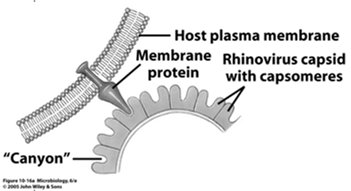
Viral specificity: Determined by the interaction between viral surface proteins and host cell receptors.
Replication of Animal Viruses
The replication cycle of animal viruses involves several distinct steps:
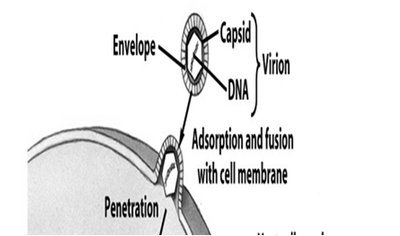
Attachment: Virus binds to specific receptors on the host cell membrane.
Penetration: Virus enters the host cell, often by fusion or endocytosis.
Replication: Synthesis of viral genes and proteins using host cell machinery.
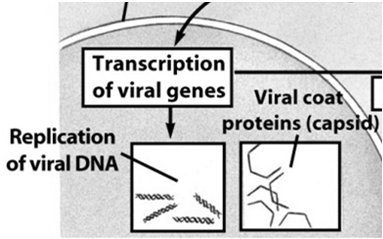
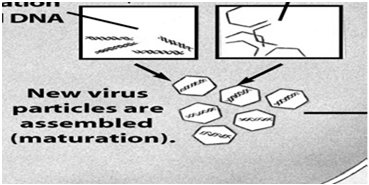
Assembly (Maturation): New viral particles are assembled from synthesized components.
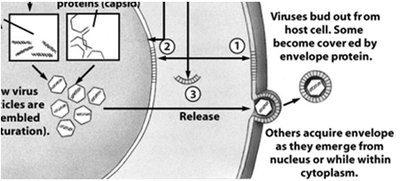
Release: Viruses exit the cell by budding (enveloped viruses) or cell rupture (naked viruses).
Latent Viral Infections
Herpes Virus Family
Some viruses, such as those in the Herpes Virus Family, can remain dormant in the body and reactivate later. Examples include chickenpox (varicella-zoster virus), cold sores (HSV-1), genital herpes (HSV-2), Epstein-Barr virus, and cytomegalovirus (CMV).
Disease: Chickenpox & Shingles
Chickenpox (Varicella)
Chickenpox is caused by the varicella-zoster virus (VZV).
Reservoir: Infected humans.
Transmission: Respiratory aerosol.
Pathogenicity: Virus enters upper respiratory tract (URT), causes viremia, leads to skin rash, and becomes latent in nerves.
Symptoms: Fever and skin rash (incubation ~2 weeks).
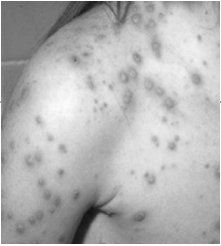
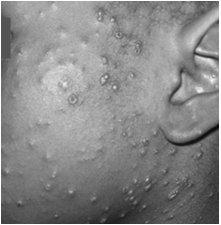
Complications: Blood vessel damage, pneumonia, liver/spleen damage; can be fatal.
Diagnosis: Based on skin lesions and rapid lab tests.
Treatment: Symptom relief; no antiviral cure yet.
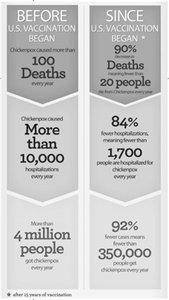
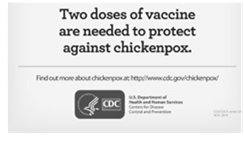
Prevention: Vaccine since 1995, 97% effective; two shots needed for immunity.
Shingles (Zoster)
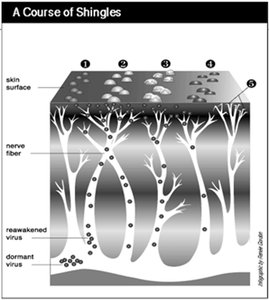
Shingles occurs when VZV reactivates, often in elderly or immunocompromised individuals.
Pathogenicity: Virus reactivates from nerve cells.
Symptoms: Rash, pain, burning, post-herpetic neuralgia (PHN).
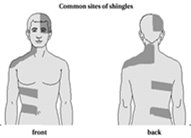
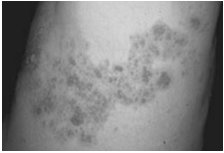
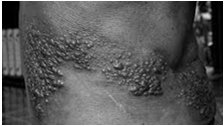
Prevention: Shingles vaccine for elderly; Shingrix is newer and more effective.
Viruses & Teratogenesis
Teratogenic Viruses
Teratogens are agents that induce defects in embryos. Some viruses are teratogenic, including CMV, HSV, and rubella.
TORCH series: Screening test in pregnancy for antibodies to teratogens.
CMV: Can cause neurological defects and mental retardation in newborns.
HSV: Can infect babies during delivery, causing eye or CNS damage.
Rubella: Infection in first trimester can cause deafness, heart and eye defects, miscarriage, or stillbirth.
Provirus
Integration of Viral DNA
Some viruses, such as HIV, integrate their DNA into the host cell genome, forming a provirus. This allows the viral DNA to replicate along with the host cell DNA. 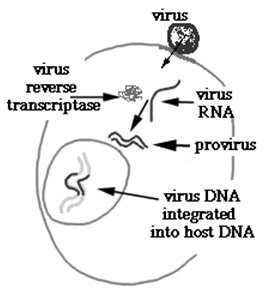
Viruses & Cancer
Oncogenic Viruses
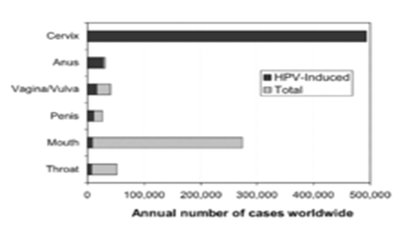
About 10% of cancers are caused by viruses. Oncogenic viruses induce uncontrolled cell growth, leading to tumors.
HPV: Human papilloma viruses cause cervical, penile, anal, and some oral/throat cancers.
HBV: Hepatitis B virus is linked to liver cancer.
Genital HPV
30 types are primarily genital; most infections are asymptomatic.
Condyloma (genital warts) may occur; most clear within 2 years.
1% become malignant; 13 types cause 99% of cervical cancers.
HPV vaccine (Gardasil, Cervarix) recommended for ages 9-26; protects against major cancer-causing and wart-causing types.
Prions
Characteristics of Prions
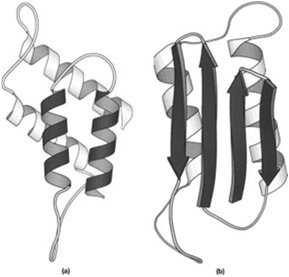
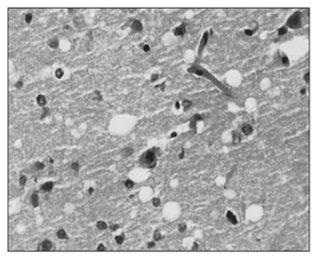
Prions are infectious proteins with no detectable genetic material. They cause transmissible spongiform encephalopathies (TSE), which are fatal neurological diseases.
Structure: Abnormal folding of normal cellular proteins.
Transmission: Can be genetic or acquired by ingestion (e.g., infected meat).
Symptoms: Wasting, loss of coordination, psychiatric effects, dementia, death.
Animal Prion Diseases
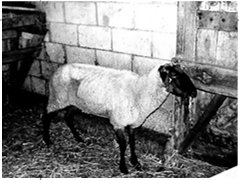
Scrapie: In sheep.
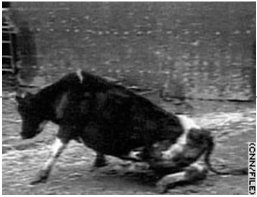
Bovine Spongiform Encephalopathy (BSE): "Mad cow" disease in cattle.
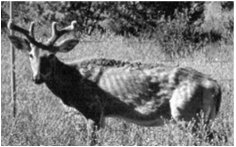
Chronic Wasting Disease (CWD): In deer and elk.
Human Prion Diseases
Creutzfeldt-Jakob Disease (CJD): Genetic or acquired.
Variant CJD (vCJD): Linked to consumption of beef with BSE.
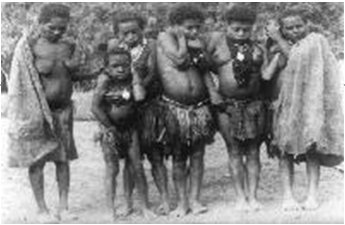
Kuru: Associated with ritualistic cannibalism.
Blood Donation and Prion Safety
Blood Screening
Blood donations are screened for various infectious agents, including hepatitis viruses and HIV. There is evidence that vCJD can be transmitted through transfusion, but no test exists for vCJD in humans. Special precautions are taken to prevent contamination of the blood supply.
Summary Table: Virus vs. Prion Properties
Property | Virus | Prion |
|---|---|---|
Genetic Material | DNA or RNA | None |
Structure | Capsid, sometimes envelope | Protein only |
Replication | Requires host cell | Induces misfolding of normal proteins |
Diseases | Wide range (e.g., chickenpox, HPV) | Neurological (e.g., CJD, BSE) |
Prevention | Vaccines, hygiene | Strict controls, avoid contaminated meat |
Conclusion
Viruses and prions are important infectious agents with distinct structures, replication mechanisms, and disease profiles. Understanding their biology is essential for prevention, diagnosis, and treatment of the diseases they cause. Additional info: Academic context was added to clarify viral replication steps, prion structure, and disease mechanisms.
