 Indietro
Biochemistry Study Notes: Functional Groups, Amino Acids, Proteins, Enzymes, and Metabolism
Guida di studio - Note intelligenti
 Appunti personalizzati basati sui tuoi materiali, ampliati con definizioni chiave, esempi e contesto.
Functional Groups in Biochemistry
Overview of Functional Groups
Functional groups are specific groups of atoms within molecules that are responsible for the characteristic chemical reactions of those molecules. In biochemistry, understanding functional groups is essential for predicting the behavior of biomolecules such as amino acids, proteins, nucleic acids, and carbohydrates.
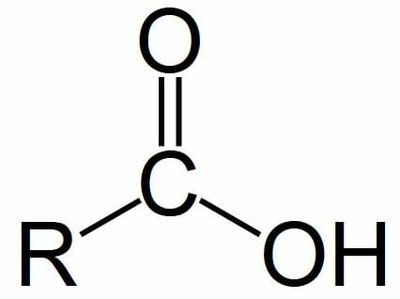
Carboxyl Group (–COOH): Found in amino acids and fatty acids; acts as an acid by donating a proton (H+).
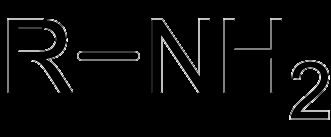
Amino Group (–NH2): Found in amino acids; acts as a base by accepting a proton.
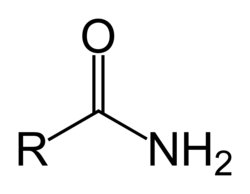
Amide Group (–CONH2): Found in proteins as peptide bonds.
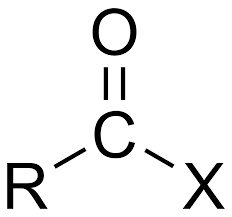
Halide Group (–X): Halogen atom attached to carbon (X = F, Cl, Br, I).
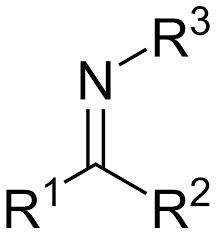
Imine Group (–C=NH or –C=NR): Contains a carbon-nitrogen double bond.
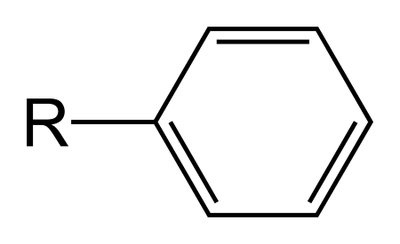
Phenyl Group (–C6H5): Aromatic ring structure, found in amino acids like phenylalanine.
Types of Organic Reactions in Biochemistry
Major Reaction Types
Organic reactions are fundamental to biochemical processes. The main types include:
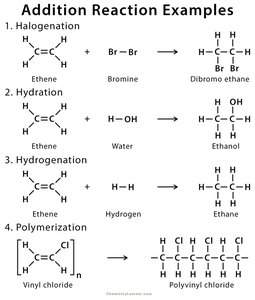
Addition Reactions: Two molecules combine to form one, common with alkenes and alkynes.
Elimination Reactions: One molecule splits into two, forming a double or triple bond.
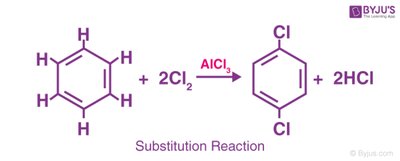
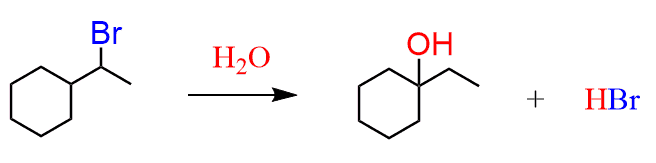
Substitution Reactions: One atom or group is replaced by another, common in alkyl halides and aromatic rings.
Rearrangement/Isomerization Reactions: Atoms or groups reorganize within a molecule, resulting in isomers.
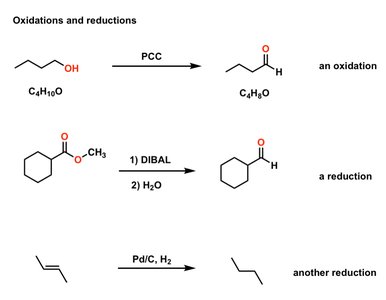
Oxidation-Reduction Reactions: Involve changes in oxidation state, such as alcohol to aldehyde (oxidation) or aldehyde to alcohol (reduction).
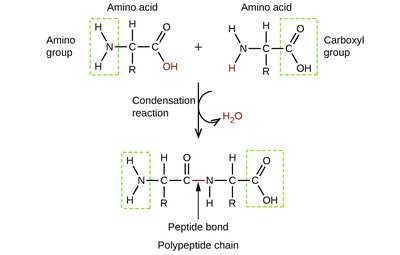
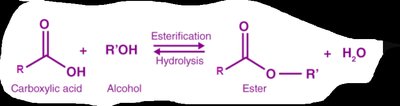
Condensation and Hydrolysis: Condensation joins two molecules by removing water; hydrolysis splits molecules by adding water.
Amino Acids: Structure, Classification, and Properties
General Structure of Amino Acids
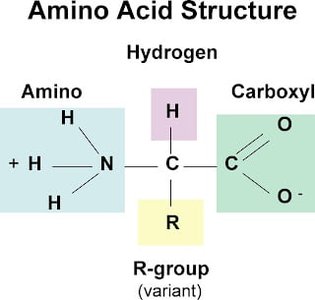
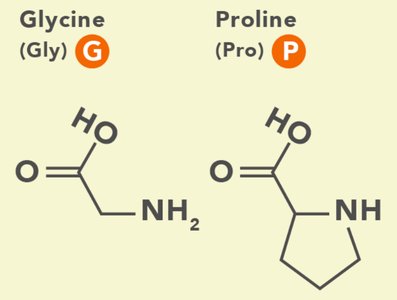
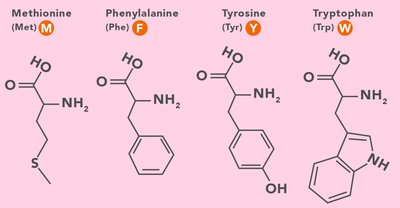
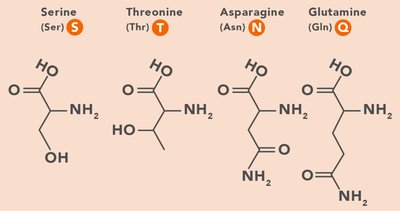
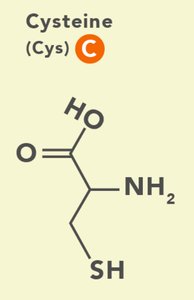
Amino acids are the building blocks of proteins. Each amino acid contains a central (alpha) carbon atom bonded to an amino group, a carboxyl group, a hydrogen atom, and a variable side chain (R group).
Classification of Amino Acids
Non-Polar (Hydrophobic): Glycine, Alanine, Valine, Leucine, Isoleucine, Methionine, Phenylalanine, Tryptophan, Proline
Polar Uncharged (Hydrophilic): Serine, Threonine, Tyrosine, Asparagine, Glutamine, Cysteine
Polar Charged:
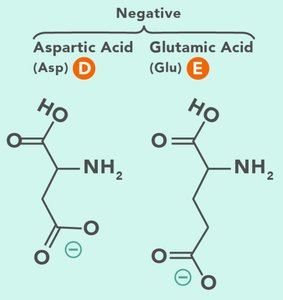
Acidic (Negatively Charged): Glutamic Acid, Aspartic Acid
Basic (Positively Charged): Lysine, Arginine, Histidine
Essential vs. Non-Essential Amino Acids
Essential: Must be obtained from the diet (e.g., Phenylalanine, Valine, Threonine, Tryptophan, Isoleucine, Methionine, Histidine, Arginine, Leucine, Lysine)
Non-Essential: Can be synthesized by the body (e.g., Alanine, Asparagine, Aspartate, Glutamine, Serine)
Acid-Base Properties and Zwitterions
Amino acids are amphoteric, meaning they can act as both acids and bases. At physiological pH (~7), amino acids exist as zwitterions, with a negatively charged carboxylate group and a positively charged amino group.
Peptide Bonds and Protein Structure
Formation of Peptide Bonds
Peptide bonds are covalent bonds that link amino acids together in proteins. They form between the carboxyl group of one amino acid and the amino group of another via a condensation (dehydration synthesis) reaction, releasing water.
Levels of Protein Structure
Primary Structure: Linear sequence of amino acids.
Secondary Structure: Local folding into alpha-helices and beta-sheets, stabilized by hydrogen bonds.
Tertiary Structure: Overall 3D shape of a single polypeptide, stabilized by hydrophobic interactions, ionic bonds, hydrogen bonds, and disulfide bridges.
Quaternary Structure: Arrangement of multiple polypeptide subunits in a functional protein complex.
Enzymes: Structure, Function, and Kinetics
Enzyme Structure and Function
Enzymes are biological catalysts that speed up biochemical reactions by lowering activation energy. They have a specific three-dimensional structure, with an active site where substrates bind and reactions occur.
Michaelis-Menten Kinetics
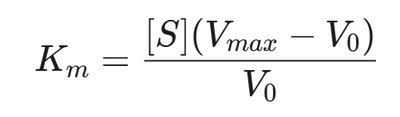
The rate of enzyme-catalyzed reactions depends on substrate concentration, enzyme concentration, temperature, and pH. The Michaelis-Menten equation describes the relationship between reaction velocity (V0), maximum velocity (Vmax), substrate concentration ([S]), and the Michaelis constant (Km):
Carbohydrates: Structure and Classification
Monosaccharides and Stereochemistry
Carbohydrates are polyhydroxy aldehydes or ketones. Monosaccharides are the simplest carbohydrates and can be classified by the number of carbons (triose, tetrose, pentose, hexose) and by the position of the carbonyl group (aldose or ketose).
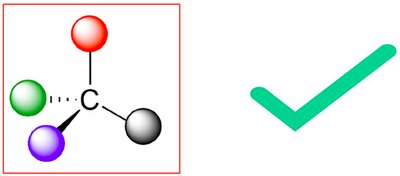
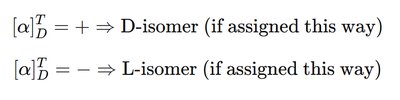
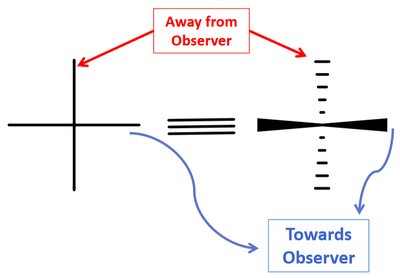
D- and L- Configuration: Determined by the position of the OH group on the chiral carbon farthest from the carbonyl group in a Fischer projection.
Nucleic Acids: Structure and Function
Nucleotide Structure
Nucleic acids (DNA and RNA) are polymers of nucleotides, each consisting of a nitrogenous base, a pentose sugar, and a phosphate group. DNA contains deoxyribose and the bases A, T, G, C; RNA contains ribose and the bases A, U, G, C.
Bioenergetics and Metabolism
ATP and Energy Coupling
ATP is the primary energy currency of the cell. Its hydrolysis releases free energy that drives endergonic reactions. Metabolic pathways such as glycolysis, the citric acid cycle, and oxidative phosphorylation are central to cellular energy production.
Experimental Techniques in Biochemistry
Protein and Amino Acid Tests
Biuret Test: Detects peptide bonds (proteins/peptides) by forming a violet complex with Cu2+ in alkaline solution.
Ninhydrin Test: Detects amino acids by producing a purple color (Ruhemann’s purple).
Xanthoproteic Test: Detects aromatic amino acids (tyrosine, tryptophan, phenylalanine) by nitration, producing a yellow/orange color.
Millon-Nasse Test: Detects tyrosine by forming a red complex with mercuric ions.
Unoxidized Sulfur Test: Detects cysteine and methionine by forming a black precipitate with lead acetate.
Hopkins-Cole Test: Detects tryptophan by forming a violet ring with glyoxylic acid and sulfuric acid.
Protein Denaturation
Strong Acids/Bases: Cause protein precipitation by disrupting ionic and hydrogen bonds.
Alkaloidal Reagents: Precipitate proteins by forming insoluble complexes.
Heavy Metal Salts: Precipitate proteins by binding to –COO− and –SH groups.
Organic Solvents: Cause protein aggregation by dehydration.
Salting Out: Precipitates proteins by removing water and increasing protein-protein interactions.
Heat Coagulation: Causes irreversible protein unfolding and aggregation.
