 Indietro
Carbohydrate Metabolism: Glycolysis, Gluconeogenesis, Glycogen Metabolism, and the Pentose Phosphate Pathway
Guida di studio - Note intelligenti
 Appunti personalizzati basati sui tuoi materiali, ampliati con definizioni chiave, esempi e contesto.
Carbohydrate Metabolism Overview
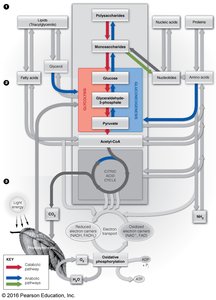
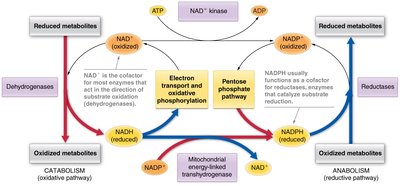
Catabolic and Anabolic Pathways
Carbohydrate metabolism encompasses both the breakdown (catabolism) and synthesis (anabolism) of sugars. These processes are central to cellular energy production and biosynthesis.
Catabolism: The breakdown of carbohydrates to generate ATP, primarily via glycolysis.
Anabolism: The synthesis of glucose and storage polysaccharides such as glycogen, mainly through gluconeogenesis and glycogen biosynthesis.
Pentose Phosphate Pathway: Provides ribose-5-phosphate for nucleotide synthesis and NADPH for reductive biosynthesis.
Glycolysis
Phases of Glycolysis
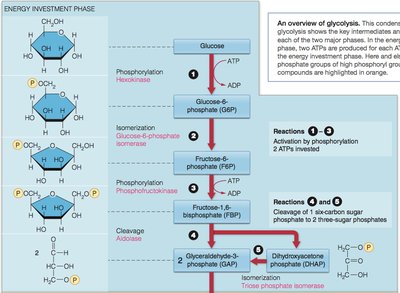
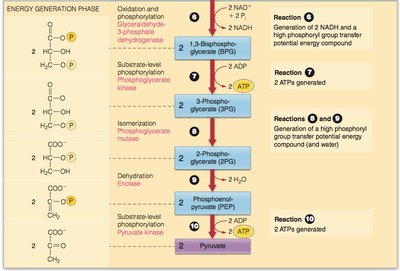
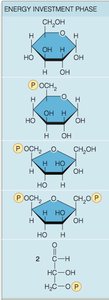
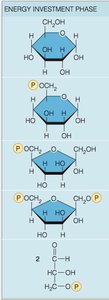
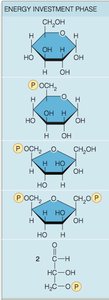
Glycolysis is the metabolic pathway that converts glucose into pyruvate, generating ATP and NADH. It consists of two main phases: the energy investment phase and the energy generation phase.
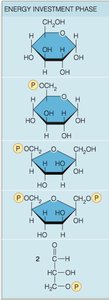
Energy Investment Phase: Two ATP molecules are consumed to phosphorylate glucose and its intermediates.
Energy Generation Phase: Four ATP molecules and two NADH molecules are produced per glucose molecule.
Key Glycolytic Reactions and Enzymes
Each step in glycolysis is catalyzed by a specific enzyme, and the pathway is tightly regulated.
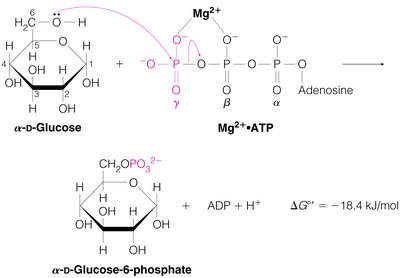
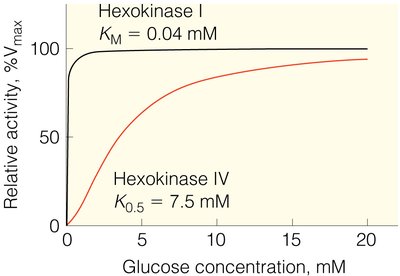
Hexokinase: Catalyzes the phosphorylation of glucose to glucose-6-phosphate (G6P), the first ATP investment. This reaction prevents glucose from leaving the cell.
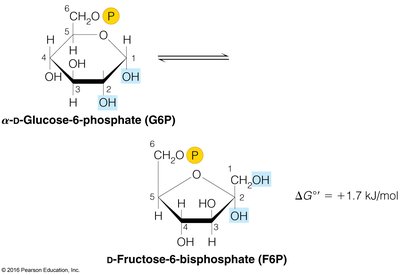
Glucose-6-phosphate Isomerase: Converts G6P to fructose-6-phosphate (F6P), preparing for aldol cleavage.
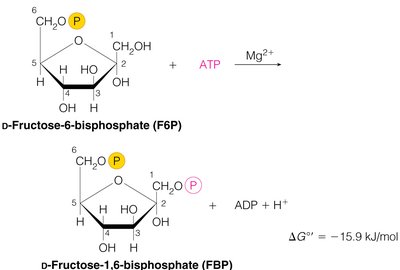
Phosphofructokinase (PFK): Catalyzes the phosphorylation of F6P to fructose-1,6-bisphosphate (FBP), the second ATP investment and a major regulatory point.
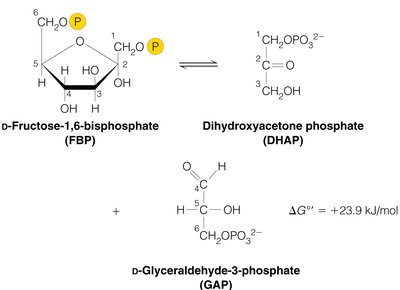
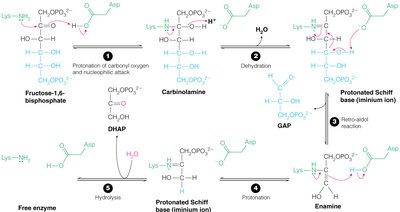
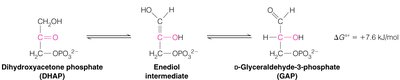
Aldolase: Cleaves FBP into two triose phosphates: dihydroxyacetone phosphate (DHAP) and glyceraldehyde-3-phosphate (GAP).
Triose Phosphate Isomerase: Interconverts DHAP and GAP.
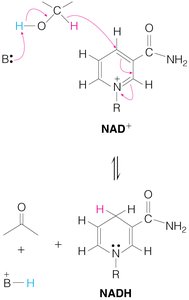
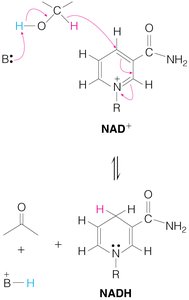
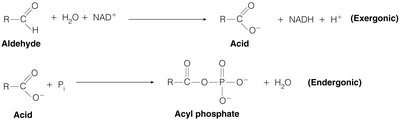
Glyceraldehyde-3-phosphate Dehydrogenase (GAPDH): Oxidizes GAP, generating NADH and 1,3-bisphosphoglycerate (BPG).
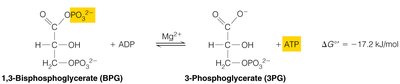
Phosphoglycerate Kinase: Catalyzes substrate-level phosphorylation, producing ATP.
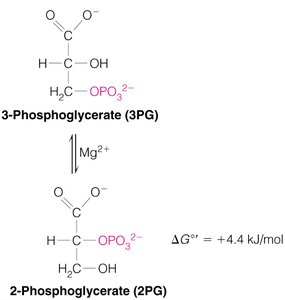
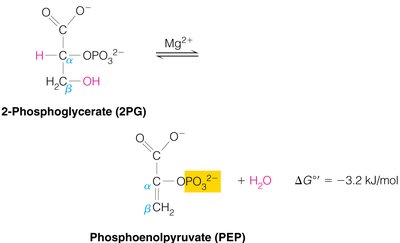
Phosphoglycerate Mutase: Converts 3-phosphoglycerate (3PG) to 2-phosphoglycerate (2PG).
Enolase: Dehydrates 2PG to phosphoenolpyruvate (PEP).
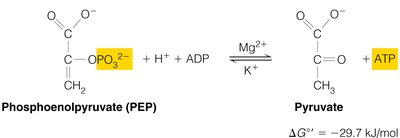
Pyruvate Kinase: Catalyzes the final substrate-level phosphorylation, producing pyruvate and ATP.

Regulation of Glycolysis
Glycolysis is regulated at three key steps with large negative delta G values: hexokinase, phosphofructokinase, and pyruvate kinase. These steps are bypassed in gluconeogenesis and are subject to allosteric regulation.
ATP: Inhibits glycolysis, signals high energy state.
AMP/ADP: Activate glycolysis, signal low energy state.
Citrate: Inhibits glycolysis, signals sufficient intermediates for the citric acid cycle.
Fructose-2,6-bisphosphate: Activates glycolysis.
Glucose-6-phosphate: Inhibits glycolysis, promotes glycogen synthesis.
Fates of Glycolysis Products
Aerobic and Anaerobic Pathways
The fate of pyruvate and NADH produced in glycolysis depends on the presence of oxygen.
Aerobic: Pyruvate enters the citric acid cycle, NADH is oxidized in mitochondria.
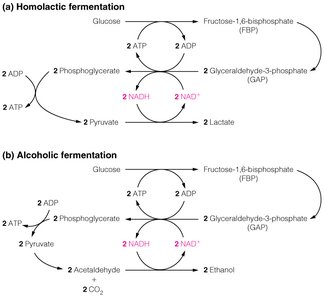
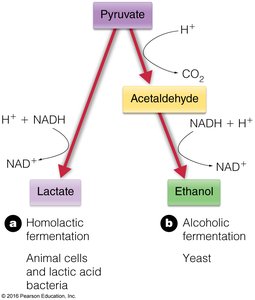
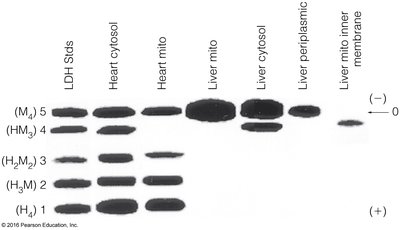
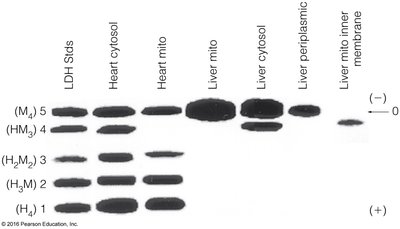
Anaerobic: Pyruvate is converted to lactate (homolactic fermentation) or ethanol (alcoholic fermentation), regenerating NAD+ for glycolysis.


Gluconeogenesis
Pathway and Regulation
Gluconeogenesis is the biosynthesis of glucose from non-carbohydrate precursors, such as pyruvate, lactate, and amino acids. It is essential during fasting or prolonged exercise when glucose reserves are depleted.
Irreversible Steps: Three glycolytic steps are bypassed by unique enzymes in gluconeogenesis.
Regulation: Reciprocal control with glycolysis prevents futile cycles. AMP/ADP promote glycolysis, ATP promotes gluconeogenesis. Acetyl-CoA and citrate signal sufficient energy and promote gluconeogenesis.
Glycogen Metabolism
Glycogen Breakdown and Synthesis
Glycogen is the storage form of glucose in animals. Its breakdown (glycogenolysis) and synthesis (glycogenesis) are tightly regulated.
Glycogenolysis: Mobilizes glucose from glycogen stores via phosphorylase and debranching enzymes.
Glycogenesis: Synthesizes glycogen from glucose via glycogen synthase and branching enzymes.
Pentose Phosphate Pathway
Functions and Products
The pentose phosphate pathway is an alternative route for glucose metabolism, providing NADPH for reductive biosynthesis and ribose-5-phosphate for nucleotide synthesis.
NADPH: Used in anabolic reactions and antioxidant defense.
Ribose-5-phosphate: Essential for nucleic acid synthesis.
Metabolism of dietary pentoses: Allows utilization of sugars other than glucose.
Summary Table: Glycolysis Steps and Key Features
Step | Enzyme | Substrate | Product | ATP/NADH |
|---|---|---|---|---|
1 | Hexokinase | Glucose | Glucose-6-phosphate | -1 ATP |
2 | Phosphoglucose isomerase | G6P | F6P | |
3 | Phosphofructokinase | F6P | FBP | -1 ATP |
4 | Aldolase | FBP | DHAP + GAP | |
5 | Triose phosphate isomerase | DHAP | GAP | |
6 | GAPDH | GAP | BPG | +2 NADH |
7 | Phosphoglycerate kinase | BPG | 3PG | +2 ATP |
8 | Phosphoglycerate mutase | 3PG | 2PG | |
9 | Enolase | 2PG | PEP | |
10 | Pyruvate kinase | PEP | Pyruvate | +2 ATP |
Key Terms and Concepts
Catabolism: Breakdown of molecules to release energy.
Anabolism: Synthesis of molecules, requiring energy.
Glycolysis: Pathway converting glucose to pyruvate.
Gluconeogenesis: Synthesis of glucose from non-carbohydrate sources.
Glycogen: Storage polysaccharide in animals.
NAD+/NADH: Redox cofactors involved in energy metabolism.
ATP: Universal energy currency of the cell.
Additional info:
Some images and diagrams were inferred to be directly relevant based on their content and context in the lecture notes.
Regulatory mechanisms and enzyme isoforms (e.g., hexokinase I vs IV) are important for tissue-specific glucose metabolism.
Fermentation pathways are essential for anaerobic energy production and regeneration of NAD+.
