 Indietro
A Tour of the Cell: Structure and Function of Cellular Components
Guida di studio - Note intelligenti
 Appunti personalizzati basati sui tuoi materiali, ampliati con definizioni chiave, esempi e contesto.
Chapter 6: A Tour of the Cell
Introduction to Cell Structure
Cells are the fundamental units of life, and their structure is closely related to their function. Understanding the differences between cell types and the organization of cellular components is essential for studying biology.
A Panoramic View of the Cell
Prokaryotic vs. Eukaryotic Cells
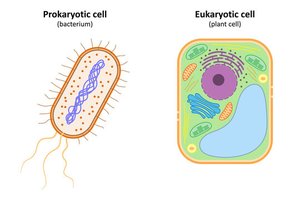
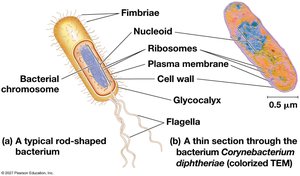
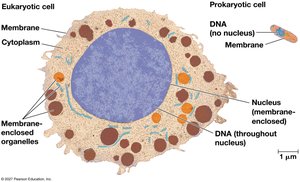
Prokaryotic cells lack a nucleus and membrane-bound organelles. Their DNA is located in a region called the nucleoid.
Eukaryotic cells have a true nucleus enclosed by a double membrane and possess various membrane-bound organelles.
All cells share basic features: a plasma membrane, cytosol, chromosomes, and ribosomes.
Eukaryotic cells are generally larger and more complex than prokaryotic cells.
Cell Size and Compartmentalization
Cell size is limited by the surface area-to-volume ratio, which affects the efficiency of material exchange.
Compartmentalization in eukaryotic cells allows specialized functions to occur in distinct organelles, increasing efficiency and protecting the cell from potentially harmful reactions.
The Nucleus and Ribosomes
Nucleus: Structure and Function
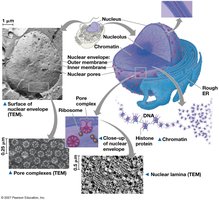
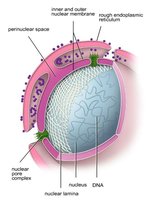
The nucleus contains most of the cell's genetic material and is surrounded by a double membrane called the nuclear envelope.
Nuclear pores regulate the movement of molecules between the nucleus and cytoplasm.
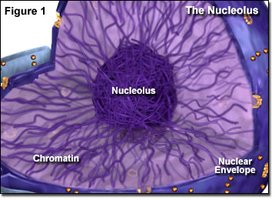
The nucleolus is the site of ribosomal RNA (rRNA) synthesis and ribosome assembly.
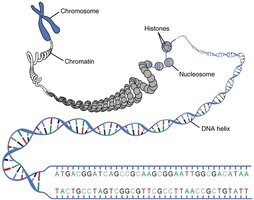
DNA is organized into chromosomes within the nucleus.
Ribosomes: Protein Factories
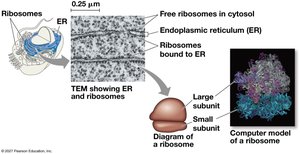
Ribosomes are complexes of rRNA and protein that carry out protein synthesis.
They can be free in the cytosol (making proteins for use within the cell) or bound to the endoplasmic reticulum (making proteins for secretion or membrane insertion).
The Endomembrane System
Components and Functions
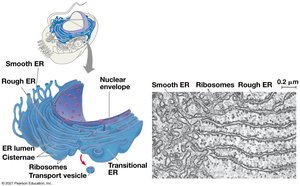
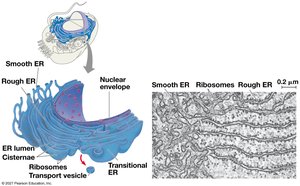
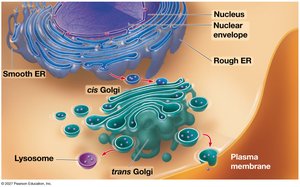
The endoplasmic reticulum (ER) is a network of membranes with two regions: smooth ER (synthesizes lipids, detoxifies, stores calcium) and rough ER (studded with ribosomes, synthesizes proteins).
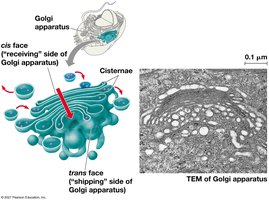
The Golgi apparatus modifies, sorts, and packages proteins and lipids for secretion or delivery to other organelles. It has a cis (receiving) face and a trans (shipping) face.
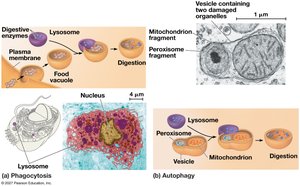
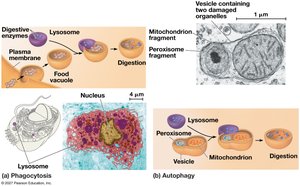
Lysosomes are membrane-bound sacs containing hydrolytic enzymes for intracellular digestion (e.g., phagocytosis, autophagy).
Vacuoles are large vesicles with diverse functions: food vacuoles (digestion), contractile vacuoles (water balance), and central vacuoles (storage in plants).
The plasma membrane regulates the passage of materials into and out of the cell.
Mitochondria and Plastids
Mitochondria: Powerhouse of the Cell
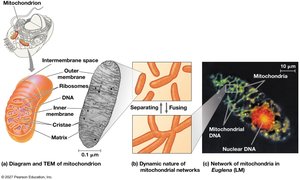
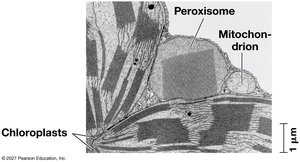
Mitochondria are the sites of cellular respiration, generating ATP from organic molecules using oxygen.
They have a double membrane, with the inner membrane folded into cristae to increase surface area for ATP production.
Compartmentalization within mitochondria is crucial for efficient energy conversion.
Plastids: Plant Cell Organelles
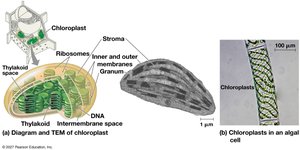
Chloroplasts are the sites of photosynthesis in plants and algae, containing green pigment chlorophyll.
Amyloplasts store starch, while chromoplasts contain pigments that give color to plant parts.
Chloroplasts have three main compartments: intermembrane space, stroma, and thylakoid space.
Peroxisomes: Oxidation Reactions
Peroxisomes are single-membrane organelles that carry out oxidation reactions, breaking down fatty acids and detoxifying harmful substances.
The Cytoskeleton
Structure and Function
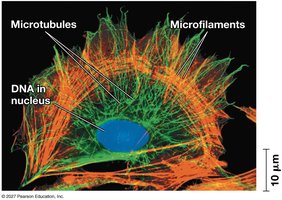
The cytoskeleton is a network of protein fibers that provides structural support, maintains cell shape, and facilitates movement.
It consists of three main types: microtubules (tubulin polymers), microfilaments (actin filaments), and intermediate filaments (various proteins).
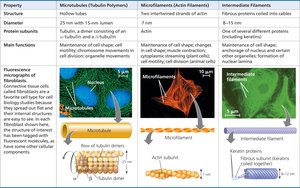
Property | Microtubules | Microfilaments | Intermediate Filaments |
|---|---|---|---|
Diameter | 25 nm with 15-nm lumen | 7 nm | 8–12 nm |
Protein Subunits | Tubulin | Actin | One of several different proteins |
Main Functions | Maintenance of cell shape, chromosome movements, organelle movements | Maintenance of cell shape, muscle contraction, cell motility, division | Maintenance of cell shape, anchorage of organelles, formation of nuclear lamina |
Centrosomes, Centrioles, Cilia, and Flagella
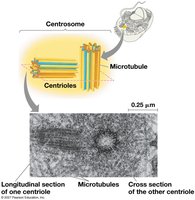
Centrosomes are microtubule-organizing centers in animal cells, containing a pair of centrioles.
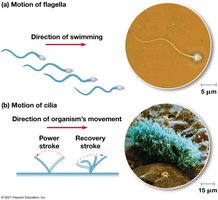
Cilia and flagella are microtubule-containing extensions that enable cell movement.
Cell Surfaces and Junctions
Plant Cell Walls
The cell wall is an extracellular structure unique to plant cells, providing support and protection.
It consists of the primary cell wall, middle lamella (rich in pectins), and sometimes a secondary cell wall.
Extracellular Matrix (ECM) in Animal Cells
The ECM is composed of glycoproteins like collagen, proteoglycans, and fibronectin.
It provides structural support and mediates cell signaling through integrins.
Intercellular Junctions
Plasmodesmata are channels connecting plant cells for communication.
Animal cells have three main types of junctions:
Tight junctions: Prevent leakage of extracellular fluid.
Desmosomes: Anchor cells together into strong sheets.
Gap junctions: Provide cytoplasmic channels for communication.
Summary Table: Major Eukaryotic Cell Organelles and Functions
Organelle | Main Function |
|---|---|
Nucleus | Stores genetic material, controls cell activities |
Ribosome | Protein synthesis |
Endoplasmic Reticulum (Rough/Smooth) | Protein and lipid synthesis, detoxification |
Golgi Apparatus | Modification, sorting, and packaging of proteins/lipids |
Lysosome | Intracellular digestion |
Vacuole | Storage, waste disposal, water balance |
Mitochondrion | ATP production via cellular respiration |
Chloroplast | Photosynthesis (plants/algae) |
Peroxisome | Breakdown of fatty acids, detoxification |
Cytoskeleton | Structural support, movement |
