 Indietro
A Tour of the Cell: Structure, Function, and Diversity
Guida di studio - Note intelligenti
 Appunti personalizzati basati sui tuoi materiali, ampliati con definizioni chiave, esempi e contesto.
A Tour of the Cell
Introduction to Cell Biology
Cells are the fundamental units of life, providing structure, support, and the ability to perform essential biological functions. The study of cells has advanced alongside the development of scientific instruments, particularly microscopes, which have enabled scientists to observe cellular structures in detail.
Cytoskeleton: Provides structural support and enables cell movement.
Microscopes: Essential for visualizing cells and their components.
Historical context: Robert Hooke and Anton van Leeuwenhoek were pioneers in cell observation.
Cell theory: All living things are composed of cells, and all cells arise from pre-existing cells.
Microscopes Reveal the World of the Cell
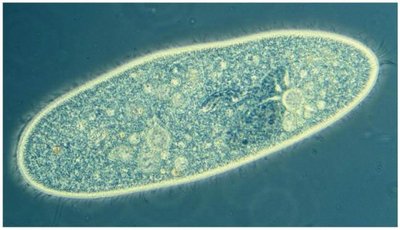
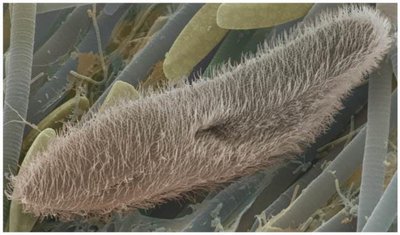
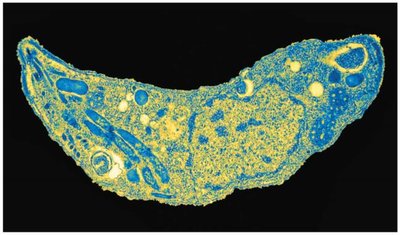
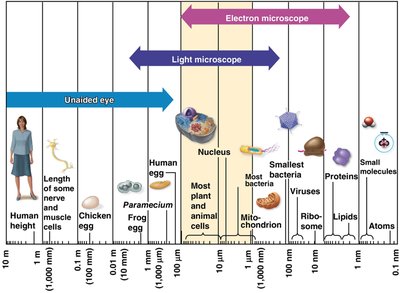
Microscopes are crucial tools for studying cells. Different types of microscopes provide varying levels of magnification and resolution, allowing scientists to examine both surface and internal structures.
Light Microscope (LM): Uses visible light and glass lenses; magnifies up to 1,000 times.
Electron Microscope (EM): Uses electron beams; magnifies up to 100,000 times and resolves structures as small as 2 nanometers.
Scanning Electron Microscope (SEM): Examines cell surfaces.
Transmission Electron Microscope (TEM): Examines internal cell structures.
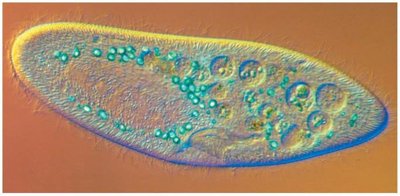
Differential Interference Light Microscope: Enhances contrast in living cells.
Magnification: Increase in image size relative to actual size.
Resolution: Clarity of an image; ability to distinguish two close objects as separate.
The Small Size of Cells and the Plasma Membrane
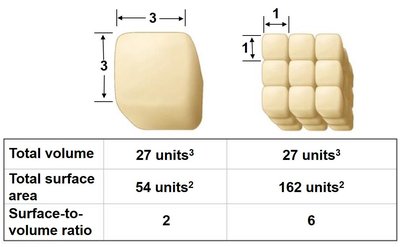
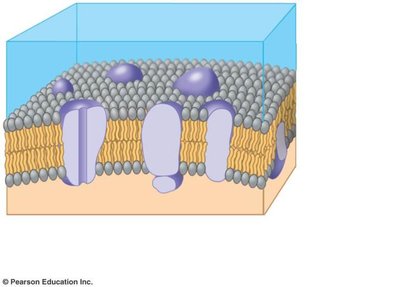
Cell size is limited by the need to efficiently exchange materials with the environment. The plasma membrane forms a boundary and regulates the movement of substances in and out of the cell.
Surface-to-volume ratio: Smaller cells have a higher ratio, facilitating efficient exchange.
Phospholipid bilayer: Hydrophilic heads face outward; hydrophobic tails face inward.
Membrane proteins: Form channels and pumps for transport.
Prokaryotic vs. Eukaryotic Cells
Cells are classified as prokaryotic or eukaryotic based on their structural features. Prokaryotic cells are simpler, while eukaryotic cells contain membrane-bound organelles.
Prokaryotic cells: Bacteria and archaea; lack a nucleus and membrane-bound organelles.
Eukaryotic cells: All other life forms; have a nucleus and organelles.
Common features: Plasma membrane, cytosol, chromosomes, ribosomes.
Nucleoid: Region in prokaryotes where DNA is located.
Cell wall: Provides protection and shape in prokaryotes.
Flagella: Used for movement.
Eukaryotic Cell Compartmentalization
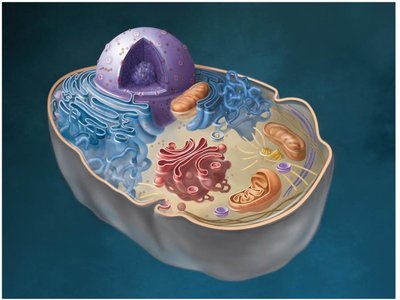
Eukaryotic cells are organized into functional compartments, each performing specific tasks. This compartmentalization is essential for cellular metabolism and specialization.
Nucleus and ribosomes: Genetic control.
Endomembrane system: Manufacturing, distribution, and breakdown of molecules.
Mitochondria and chloroplasts: Energy processing.
Cytoskeleton, plasma membrane, cell wall: Structural support, movement, communication.
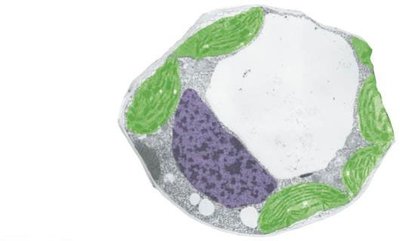
Plant cells: Have cell walls, plasmodesmata, chloroplasts, and central vacuoles.
Animal cells: Have lysosomes and centrosomes; lack cell walls and chloroplasts.

The Nucleus and Ribosomes
The nucleus contains genetic material and directs cellular activities. Ribosomes synthesize proteins based on instructions from the nucleus.
Nucleus: Contains DNA, organized as chromosomes; surrounded by a nuclear envelope with pores.
Nucleolus: Site of ribosomal RNA synthesis.
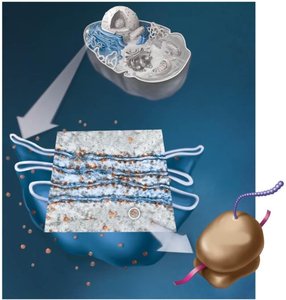
Ribosomes: Free in cytosol or bound to ER/nuclear envelope; build proteins from mRNA instructions.
The Endomembrane System
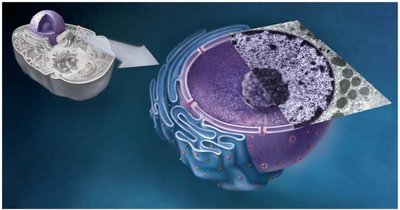
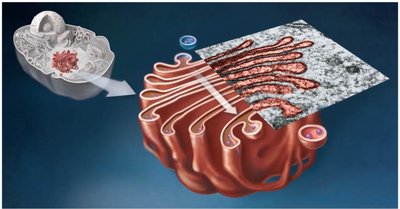
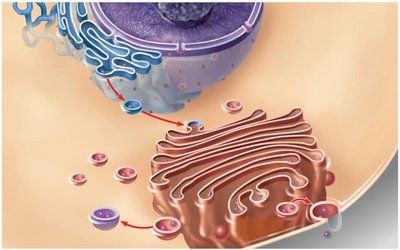
The endomembrane system consists of interconnected organelles that manage the synthesis, distribution, storage, and export of cellular materials.
Components: Nuclear envelope, ER, Golgi apparatus, lysosomes, vacuoles, plasma membrane.
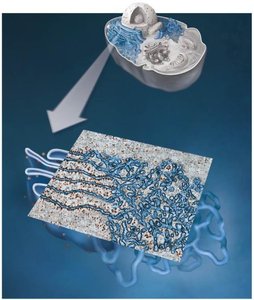
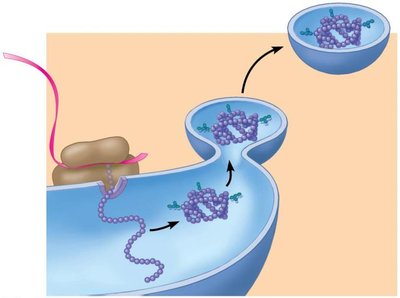
Endoplasmic reticulum (ER): Smooth ER (lipid synthesis, detoxification, calcium storage); Rough ER (protein synthesis).
Golgi apparatus: Modifies, sorts, and ships products from the ER.
Lysosomes: Digestive compartments; recycle cellular materials.
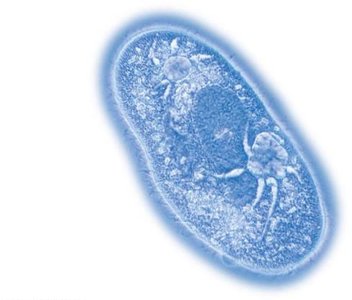
Vacuoles: Storage and maintenance; contractile vacuoles in protists, central vacuole in plants.
Peroxisomes: Metabolic compartments; break down fatty acids.
Energy-Converting Organelles
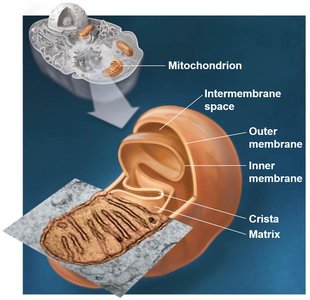
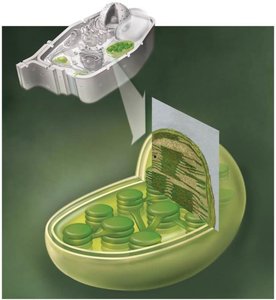
Mitochondria and chloroplasts are specialized organelles responsible for energy conversion in cells. Mitochondria perform cellular respiration, while chloroplasts carry out photosynthesis.
Mitochondria: Convert chemical energy from food to ATP; contain intermembrane space and matrix; inner membrane forms cristae.
Chloroplasts: Convert solar energy to chemical energy; contain stroma, thylakoids, and grana.
Endosymbiont theory: Mitochondria and chloroplasts originated from prokaryotes engulfed by ancestral eukaryotic cells.
The Cytoskeleton and Cell Surfaces
The cytoskeleton is a network of protein fibers that organizes cell structure and activities. Cell surfaces and junctions facilitate support, movement, and communication.
Microtubules: Shape, support, and serve as tracks for organelle movement; grow from centrosomes.
Intermediate filaments: Reinforce cell shape and anchor organelles.
Microfilaments: Support cell shape and are involved in motility.
Cilia and flagella: Composed of microtubules; move cells or substances; 9+2 microtubule arrangement.
Extracellular matrix (ECM): Provides support and regulation; connects to integrins and cytoskeleton.
Cell junctions: Tight junctions (prevent leakage), anchoring junctions (fasten cells), gap junctions (allow communication).
Plant cell walls: Provide support; plasmodesmata allow communication and transport.
Functional Categories of Eukaryotic Cell Structures
Eukaryotic cell structures can be grouped based on their primary functions, which are essential for cell survival and specialization.
Genetic control: Nucleus, ribosomes.
Manufacturing, distribution, breakdown: Endomembrane system.
Energy processing: Mitochondria, chloroplasts.
Structural support, movement, communication: Cytoskeleton, plasma membrane, cell wall, ECM, cell junctions.
Category | Organelles/Structures | Main Function |
|---|---|---|
Genetic Control | Nucleus, Ribosomes | Information storage and protein synthesis |
Manufacturing, Distribution, Breakdown | ER, Golgi, Lysosomes, Vacuoles, Peroxisomes | Processing and transport of molecules |
Energy Processing | Mitochondria, Chloroplasts | ATP production, photosynthesis |
Support, Movement, Communication | Cytoskeleton, Plasma Membrane, Cell Wall, ECM, Junctions | Structure, movement, intercellular communication |
Example: The mitochondrion produces ATP for cellular activities, while the Golgi apparatus sorts and ships proteins to their destinations.
Additional info: The notes above expand on brief points with academic context, definitions, and examples to ensure completeness and clarity for exam preparation.
