 Indietro
A Tour of the Cell: Structure, Function, and Organization
Guida di studio - Note intelligenti
 Appunti personalizzati basati sui tuoi materiali, ampliati con definizioni chiave, esempi e contesto.
A Tour of the Cell
Overview: The Fundamental Units of Life
Cells are the basic units of life, forming the simplest collection of matter capable of living processes. All organisms are composed of cells, which share common features but can differ greatly in structure and function.
Cell Theory: All living things are made of cells; cells arise from pre-existing cells.
Common Features: Plasma membrane, cytosol, chromosomes, and ribosomes.
Diversity: Cells vary in size, shape, and internal organization.
Concept 4.1: Microscopy and Biochemistry in Cell Study
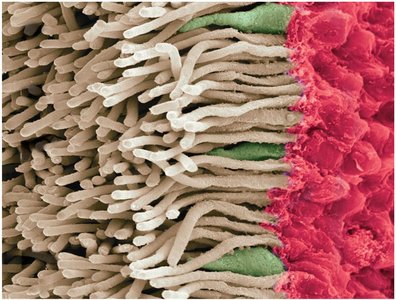
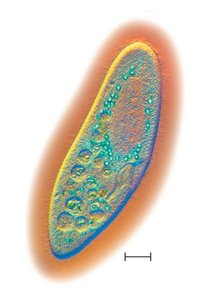
Most cells are too small to be seen without magnification. Biologists use microscopes and biochemical techniques to study cell structure and function.
Microscopy: Light microscopes and electron microscopes allow visualization of cells and their components.
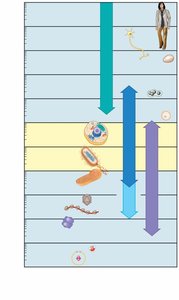
Cell Size: Cells range from 1–100 μm; organelles and molecules are even smaller.
Biochemical Tools: Cell fractionation separates cellular components for study.
Concept 4.2: Prokaryotic vs. Eukaryotic Cells
Cells are classified as prokaryotic or eukaryotic based on their internal structure. Prokaryotes lack a nucleus and membrane-bound organelles, while eukaryotes possess both.
Prokaryotic Cells: Domains Bacteria and Archaea; DNA in nucleoid; no membrane-bound organelles.
Eukaryotic Cells: Protists, fungi, animals, plants; DNA in nucleus; numerous organelles.
Size Comparison: Prokaryotes (1–5 μm), Eukaryotes (10–100 μm).
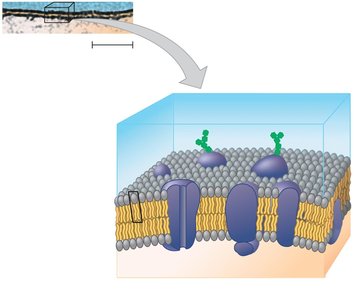
Plasma Membrane: Selective barrier; composed of phospholipid bilayer.
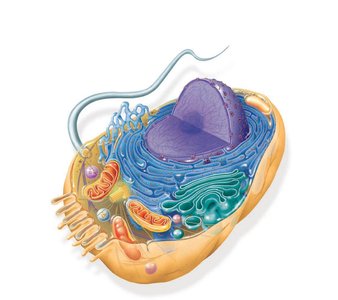
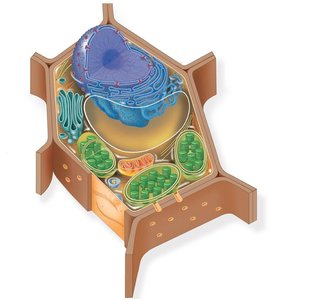
Concept 4.3: The Nucleus and Ribosomes
The nucleus houses genetic material and controls cellular activities. Ribosomes synthesize proteins using instructions from DNA.
Nucleus: Enclosed by nuclear envelope; contains chromosomes (DNA + proteins = chromatin); nucleolus synthesizes rRNA.
Nuclear Pores: Regulate molecular traffic.
Ribosomes: Complexes of rRNA and protein; free in cytosol or bound to ER/nuclear envelope.
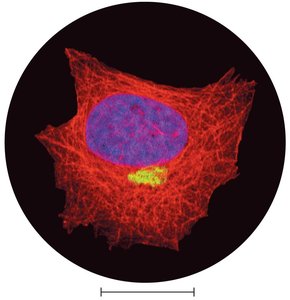
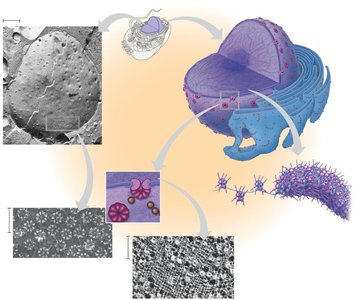
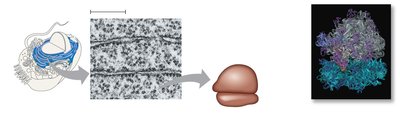
Concept 4.4: The Endomembrane System
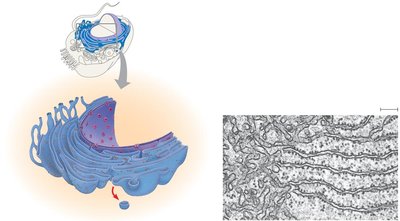
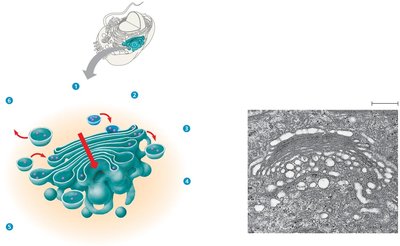
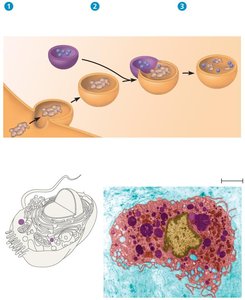
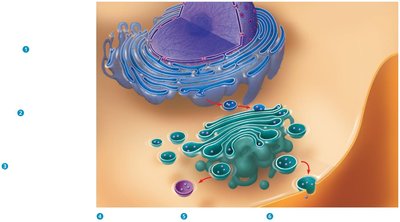
The endomembrane system regulates protein traffic and performs metabolic functions. It includes the nuclear envelope, ER, Golgi apparatus, lysosomes, vacuoles, and plasma membrane.
Endoplasmic Reticulum (ER): Smooth ER (lipid synthesis, detoxification, Ca2+ storage); Rough ER (protein synthesis, glycoprotein production).
Golgi Apparatus: Modifies, sorts, and packages proteins; cisternae maturation.
Lysosomes: Digestive organelles; hydrolytic enzymes; phagocytosis and autophagy.
Vacuoles: Storage, waste breakdown, water regulation; central vacuole in plants.
Concept 4.5: Mitochondria, Chloroplasts, and Peroxisomes
Mitochondria and chloroplasts convert energy for cellular use. Peroxisomes perform oxidation reactions and detoxification.
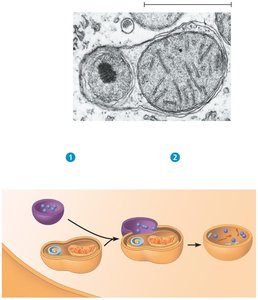
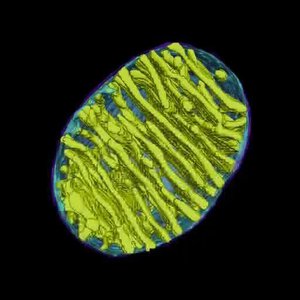
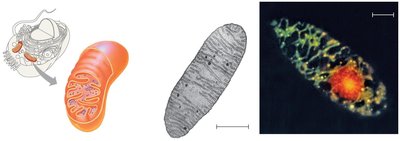
Mitochondria: Site of cellular respiration; double membrane; cristae increase surface area; matrix contains enzymes and DNA.
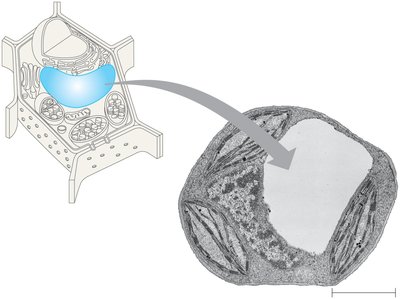
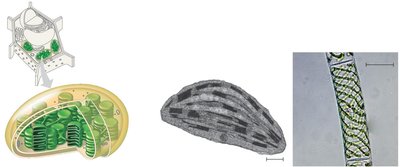
Chloroplasts: Site of photosynthesis; thylakoids (granum), stroma, chlorophyll.
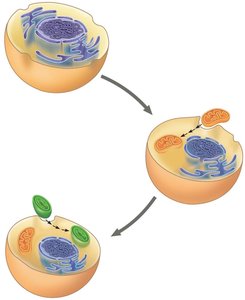
Endosymbiont Theory: Mitochondria and chloroplasts originated from engulfed prokaryotes.
Peroxisomes: Produce hydrogen peroxide, convert it to water; detoxify harmful substances.
Concept 4.6: The Cytoskeleton
The cytoskeleton is a network of fibers that organizes cell structure and activities. It provides support, motility, and organization.
Microtubules: Tubulin polymers; shape, organelle movement, chromosome separation; form cilia and flagella.
Microfilaments: Actin filaments; tension resistance, muscle contraction, cell movement.
Intermediate Filaments: Structural support, organelle anchoring; more permanent.
Motor Proteins: Move vesicles and organelles along cytoskeletal tracks using ATP.
Concept 4.7: Extracellular Components and Cell Connections
Cells synthesize and secrete materials external to the plasma membrane, which help coordinate cellular activities and provide structural support.
Plant Cell Walls: Made of cellulose; protect, maintain shape, prevent water uptake; primary, secondary walls, and middle lamella.
Extracellular Matrix (ECM) in Animals: Glycoproteins (collagen, proteoglycans, fibronectin); integrins connect ECM to cytoskeleton.
Cell Junctions: Plasmodesmata (plants), tight junctions, desmosomes, gap junctions (animals); facilitate adhesion, communication.
Coordination of Cellular Activities
Cellular functions arise from the coordinated activities of organelles and structures. For example, macrophages use cytoskeleton, lysosomes, and plasma membrane to engulf and digest bacteria.
Integration: No organelle works alone; cellular order is essential for function.
Visualizing the Scale of Cellular Machinery
Cellular structures and molecular machines vary greatly in size, from organelles to proteins and nucleic acids. Understanding their scale helps contextualize their functions.
Examples: ATP synthase, ribosomes, nuclear pores, cytoskeletal elements.
Processes: Photosynthesis, cellular respiration, transcription, translation.
Additional info:
Cellular respiration and photosynthesis are covered in detail in later chapters.
Transcription and translation are fundamental to gene expression and are discussed in genetics chapters.
