 Indietro
A Tour of the Cell: Structure and Function of Cellular Components
Guida di studio - Note intelligenti
 Appunti personalizzati basati sui tuoi materiali, ampliati con definizioni chiave, esempi e contesto.
Cell Theory and Classes of Cells
Cell Theory
The cell theory is a fundamental concept in biology, stating that all living organisms are composed of one or more cells. Cells are the basic unit of structure and organization in organisms, and all cells arise from pre-existing cells. This theory underscores the continuity of life and the centrality of cells in biological systems.
All living organisms are composed of cells.
Cells are the basic unit of structure and function.
Cells arise from pre-existing cells, ensuring continuity.
Two Major Classes of Cells
Cells are classified into two major types: prokaryotic and eukaryotic. These classes differ in structure, complexity, and the presence of organelles.
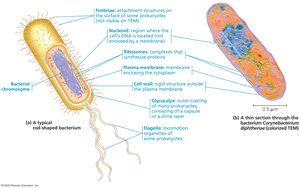
Prokaryotic Cells: Found in Bacteria and Archaea; always unicellular; lack membrane-bound organelles and a nucleus.
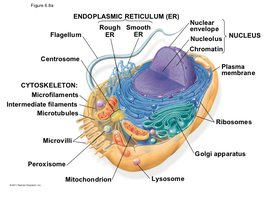
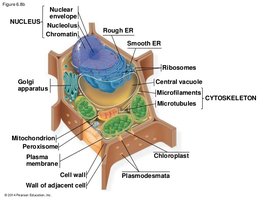
Eukaryotic Cells: Found in protists, fungi, animals, and plants; can be unicellular or multicellular; contain membrane-bound organelles and a nucleus.
Basic Features of All Cells
Universal Cellular Components
Despite their differences, all cells share certain fundamental features:
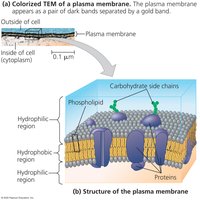
Plasma membrane: Selective barrier regulating entry and exit of substances.
Cytosol: Semifluid substance where cellular components are suspended.
Cytoplasm: Region between the plasma membrane and nucleus.
Chromosomes: Carry genetic information in the form of DNA.
Ribosomes: Complexes responsible for protein synthesis.
Prokaryotic vs. Eukaryotic Cells
Prokaryotic Cell Characteristics
No nucleus: DNA is located in the nucleoid, an unbound region.
Circular DNA: Genetic material is circular.
No membrane-bound organelles: Simpler internal structure.
Eukaryotic Cell Characteristics
Nucleus: DNA is linear and enclosed by a nuclear envelope.
Membrane-bound organelles: Specialized compartments for various functions.
Internal membranes: Divide the cell into organelles.
Size: Eukaryotic cells are generally larger (10–100 μm) than prokaryotic cells (1–5 μm).
Important Cell Structures
Overview of Organelles
Key organelles and structures found in eukaryotic cells include:
Plasma membrane
Nucleus
Ribosomes
Endoplasmic Reticulum (ER)
Golgi Apparatus
Lysosome
Vacuole
Mitochondria
Chloroplast (plants only)
Cytoskeleton
The Nucleus: Information Center
Structure and Function
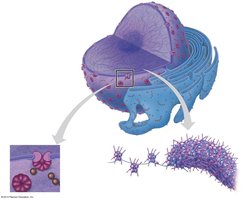
The nucleus is the control center of the cell, housing most of the cell’s DNA. It is surrounded by a double membrane called the nuclear envelope, which contains nuclear pores for molecular transport.
Nuclear envelope: Double lipid bilayer separating nucleus from cytoplasm.
Nuclear pores: Regulate entry and exit of molecules.
Nuclear lamina: Protein network maintaining nuclear shape.
Nucleolus: Site of ribosome assembly; contains DNA, RNA, and proteins.
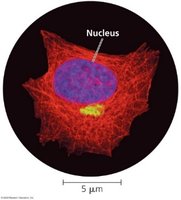
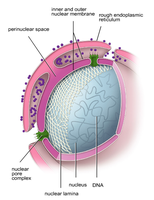
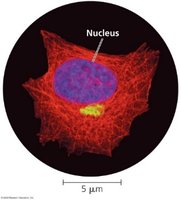
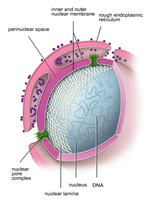
Chromatin vs Chromosome
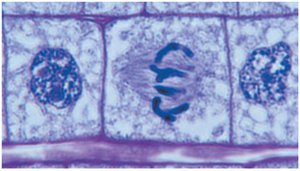
DNA in the nucleus is organized as chromatin (DNA + protein). Chromatin condenses to form discrete chromosomes during cell division.
Ribosomes: Protein Factories
Structure and Function
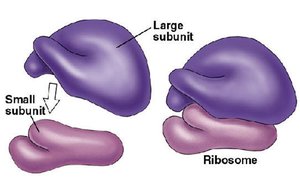
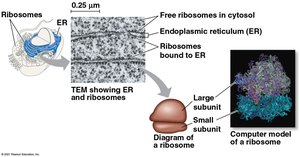
Ribosomes are complexes of rRNA and protein, responsible for protein synthesis. They are assembled in the nucleolus and consist of two subunits.
Free ribosomes: Located in cytosol; synthesize proteins for use within the cell.
Bound ribosomes: Attached to rough ER or nuclear envelope; synthesize proteins for secretion or membrane incorporation.
Endomembrane System
Components and Functions
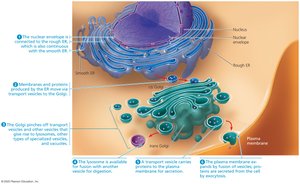
The endomembrane system is a network of membranes involved in protein and lipid synthesis, modification, and transport. It includes the plasma membrane, nuclear envelope, ER, Golgi apparatus, lysosomes, and vacuoles.
Continuous or connected via vesicles: Facilitates material transfer.
Protein synthesis, packaging, and modification
Lipid synthesis and detoxification
Endoplasmic Reticulum (ER)
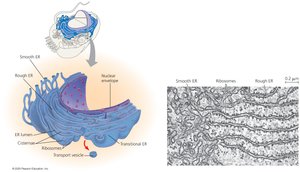
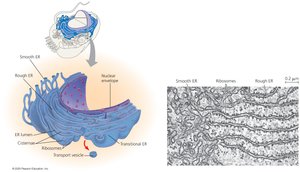
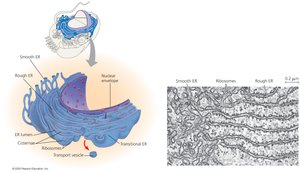
The ER is an extensive network of membranes continuous with the nuclear envelope. It consists of two regions:
Smooth ER: Lacks ribosomes; synthesizes lipids, detoxifies drugs, stores calcium ions.
Rough ER: Studded with ribosomes; folds and modifies proteins, produces membrane components.
ER and Transport Vesicles
Both rough and smooth ER distribute transport vesicles containing proteins and lipids to the Golgi apparatus.
Golgi Apparatus
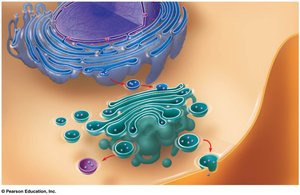
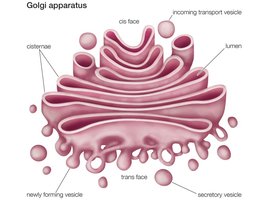
The Golgi apparatus is the cell’s shipping and receiving center. It modifies, sorts, and packages proteins and lipids received from the ER.
Receives vesicles from ER
Modifies products
Sorts and packages materials
Lysosomes
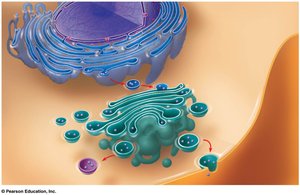
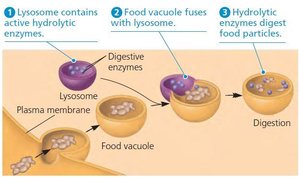
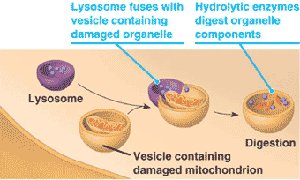
Lysosomes are digestive organelles found only in animal cells. They contain hydrolytic enzymes for breaking down macromolecules, damaged organelles, and pathogens.
Phagocytosis: Engulfing external material for digestion.
Autophagy: Recycling damaged cell components.
Vacuoles
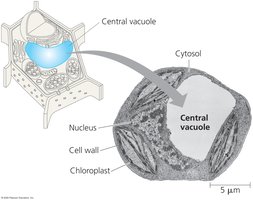
Vacuoles are large vesicles with diverse functions. In plants, the central vacuole stores ions and maintains cell structure. In protists, contractile vacuoles expel excess water.
Food vacuoles: Formed by phagocytosis.
Contractile vacuoles: Pump excess water out.
Central vacuoles: Store inorganic ions in plants.
Mitochondria and Chloroplasts: Energy Transformation
Mitochondria
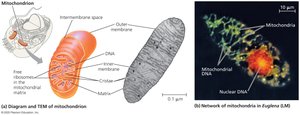
Mitochondria are the site of cellular respiration, generating ATP from organic molecules using oxygen. They have a double membrane, their own circular DNA, and ribosomes.
Outer and inner membranes
Intermembrane space and matrix
ATP production
Chloroplasts
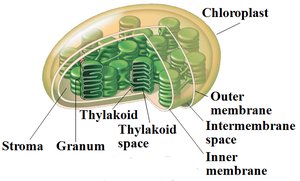
Chloroplasts are plastids found in plants, responsible for photosynthesis. They contain chlorophyll, thylakoid membranes, and their own DNA and ribosomes.
Outer and inner membranes
Thylakoid membranes and stroma
Photosynthesis: Conversion of light energy to chemical energy
Cytoskeleton
Structure and Function
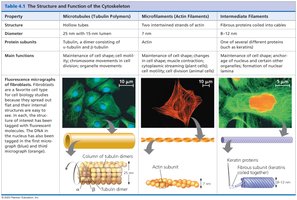
The cytoskeleton is a dynamic network of protein fibers providing structural support, shape, and motility to cells. It consists of three main types:
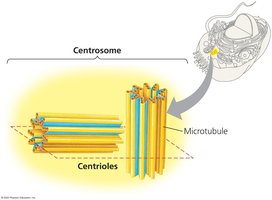
Microtubules: Hollow rods; cell shape, organelle movement, chromosome separation.
Microfilaments: Thin filaments; cell shape, muscle contraction, cytoplasmic streaming.
Intermediate filaments: Cable-like; cell shape, anchoring organelles.
Extracellular Components and Cell Junctions
Cell Wall (Plants)
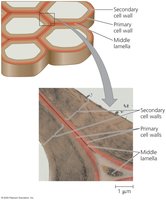
Plant cell walls are composed of cellulose, polysaccharides, and proteins. They provide protection, structural support, and prevent excessive water uptake.
Extracellular Matrix (ECM) (Animals)
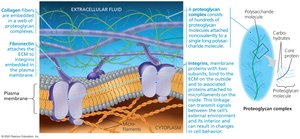
The ECM is a network of glycoproteins and proteins external to the plasma membrane. It regulates cell behavior and provides structural support.
Cell Junctions
Cells communicate and adhere through junctions such as tight junctions, desmosomes, and gap junctions. These facilitate coordination and communication between cells.
Coordination of Cellular Activities
Integration of Cell Components
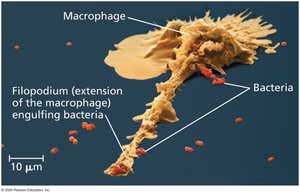
Cellular functions arise from the coordinated activities of various organelles and structures. For example, macrophages use the cytoskeleton, lysosomes, and plasma membrane to engulf and digest bacteria.
Summary Table: Structure and Function of the Cytoskeleton
Property | Microtubules | Microfilaments | Intermediate Filaments |
|---|---|---|---|
Structure | Hollow tubes | Two intertwined strands of actin | Fibrous proteins coiled into cables |
Diameter | 25 nm with 15 nm lumen | 7 nm | 8–12 nm |
Protein Subunits | Tubulin | Actin | Varies (e.g., keratin) |
Main Functions | Cell shape, organelle movement, chromosome movement | Cell shape, muscle contraction, cytoplasmic streaming | Cell shape, anchoring organelles, nuclear lamina |
