 Indietro
A Tour of the Cell: Structure, Function, and Organization
Guida di studio - Note intelligenti
 Appunti personalizzati basati sui tuoi materiali, ampliati con definizioni chiave, esempi e contesto.
Chapter 6: A Tour of the Cell
Concept 6.1: Biologists Use Microscopes and Biochemistry to Study Cells
Cells are the fundamental units of structure and function in all living organisms. Because most cells are too small to be seen with the naked eye, biologists use various types of microscopes and biochemical techniques to study their structure and function.
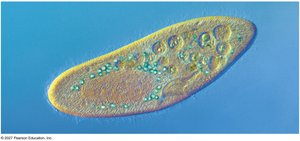
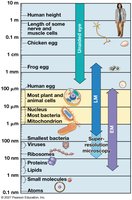
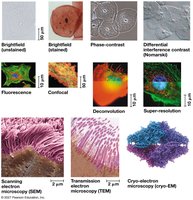
Microscopy: Microscopes magnify and resolve cellular structures. The light microscope (LM) uses visible light and glass lenses to magnify specimens. Key parameters include:
Magnification: Ratio of image size to actual size.
Resolution: Minimum distance between two distinguishable points.
Contrast: Differences in brightness between parts of the sample.
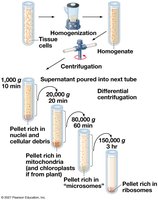
Cell Fractionation: A technique using centrifugation to separate cellular components, allowing scientists to study the functions of organelles.
Concept 6.2: Eukaryotic Cells Have Internal Membranes That Compartmentalize Their Functions
Cells are classified as either prokaryotic or eukaryotic. Internal membranes in eukaryotic cells create compartments, allowing specialized functions to occur simultaneously.
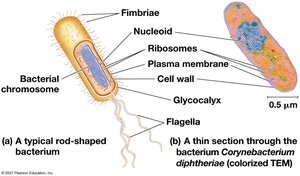
Basic Features of All Cells: Plasma membrane, cytosol, chromosomes, and ribosomes.
Prokaryotic Cells:
No nucleus; DNA in the nucleoid.
No membrane-bound organelles.
Cytoplasm bound by plasma membrane.
Eukaryotic Cells:
DNA in a nucleus bounded by a double membrane.
Membrane-bound organelles.
Cytoplasm between plasma membrane and nucleus.
Generally larger than prokaryotic cells.
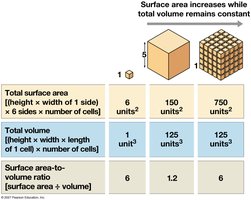
Surface Area to Volume Ratio: Limits cell size; as cells grow, volume increases faster than surface area, affecting transport efficiency.
A Panoramic View of the Eukaryotic Cell
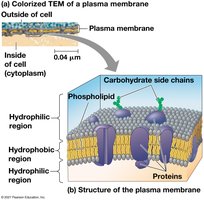
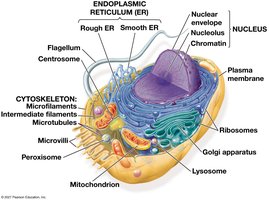
Eukaryotic cells contain organelles surrounded by membranes, creating distinct compartments for specialized functions. The basic structure of biological membranes is a double layer of phospholipids.
Concept 6.3: The Eukaryotic Cell’s Genetic Instructions Are Housed in the Nucleus and Carried Out by the Ribosomes
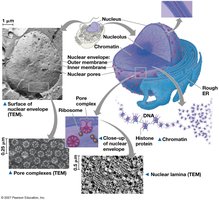
The nucleus stores most of the cell’s DNA, while ribosomes use this information to synthesize proteins.
Nucleus: Contains chromosomes (DNA + proteins = chromatin), nucleolus (site of ribosomal RNA synthesis).
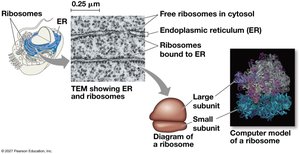
Ribosomes: Complexes of ribosomal RNA and protein; found free in cytosol or bound to endoplasmic reticulum/nuclear envelope.
Concept 6.4: The Endomembrane System Regulates Protein Traffic and Performs Metabolic Functions
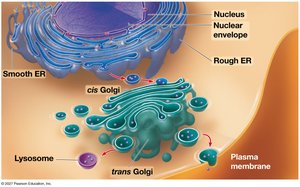
The endomembrane system includes the nuclear envelope, endoplasmic reticulum (ER), Golgi apparatus, lysosomes, vacuoles, and plasma membrane. These components are interconnected and facilitate protein and lipid synthesis, transport, and degradation.
Endoplasmic Reticulum (ER):
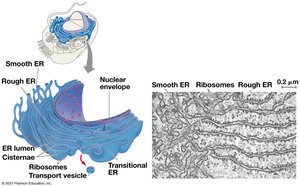
Smooth ER: Synthesizes lipids, detoxifies drugs, stores calcium ions.
Rough ER: Studded with ribosomes; synthesizes glycoproteins, distributes transport vesicles, and produces membranes.
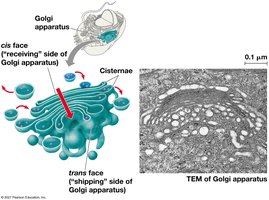
Golgi Apparatus: Modifies, sorts, and packages products from the ER into vesicles.
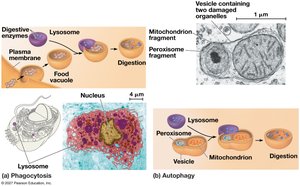
Lysosomes: Membranous sacs of hydrolytic enzymes; digest macromolecules, recycle organelles (autophagy), and participate in phagocytosis.
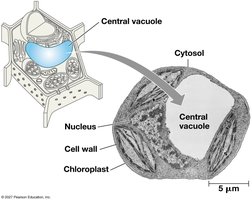
Vacuoles: Large vesicles for storage and maintenance; types include food, contractile, and central vacuoles (in plants).
Concept 6.5: Mitochondria and Chloroplasts Change Energy from One Form to Another
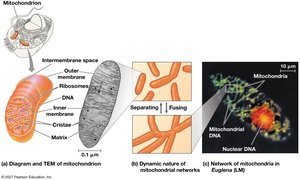
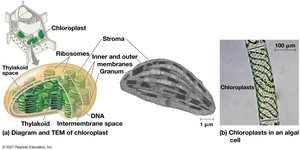
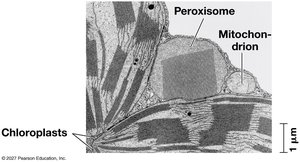
Mitochondria are the sites of cellular respiration, generating ATP from oxygen and nutrients. Chloroplasts are the sites of photosynthesis in plants and algae. Peroxisomes are oxidative organelles involved in metabolism.
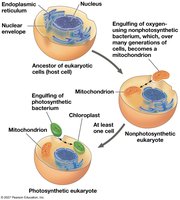
Endosymbiont Theory: Mitochondria and chloroplasts originated from engulfed bacteria, explaining their double membranes, DNA, and ribosomes.
Mitochondria: Have outer and inner membranes, cristae, and matrix; catalyze steps of respiration.
Chloroplasts: Contain thylakoids, granum, and stroma; perform photosynthesis.
Peroxisomes: Contain enzymes for oxidation; produce hydrogen peroxide, break down fatty acids, and detoxify compounds.
Concept 6.6: The Cytoskeleton Is a Network of Fibers That Organizes Structures and Activities in the Cell
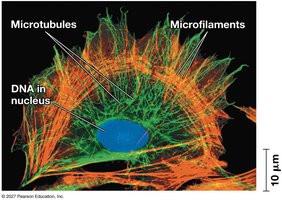
The cytoskeleton is a dynamic network of fibers that provides structural support, organizes cell contents, and enables movement.
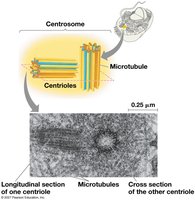
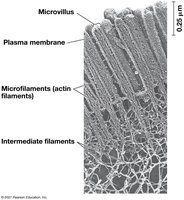
Microtubules: Hollow tubes; maintain cell shape, guide organelle movement, and are involved in cell division.
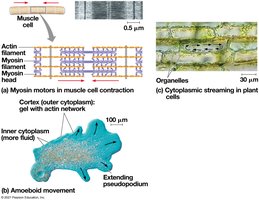
Microfilaments (Actin Filaments): Thin rods; support cell shape, enable motility, and drive cytoplasmic streaming.
Intermediate Filaments: Fibrous proteins; provide mechanical support and anchor organelles.
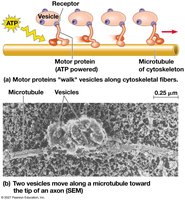
Motor Proteins: Interact with cytoskeleton to move vesicles and organelles.
Concept 6.7: Extracellular Components and Connections Between Cells Help Coordinate Cellular Activities
Cells produce extracellular materials and structures that facilitate communication, adhesion, and coordination among cells.
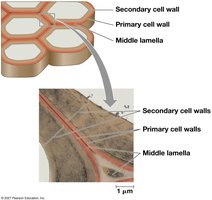
Plant Cell Walls: Made of cellulose; provide protection, shape, and prevent excessive water uptake. Layers include primary cell wall, middle lamella, and secondary cell wall.
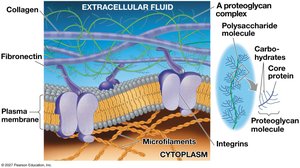
Extracellular Matrix (ECM) in Animal Cells: Composed of glycoproteins (collagen, proteoglycans, fibronectin); binds to integrins in plasma membrane, regulates cell behavior and gene activity.
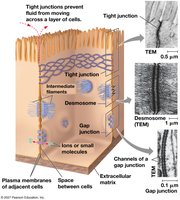
Cell Junctions:
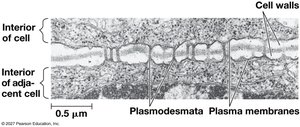
Plasmodesmata: Channels between plant cells for transport of water and solutes.
Tight Junctions: Prevent fluid leakage between animal cells.
Desmosomes: Anchor cells together.
Gap Junctions: Allow communication between animal cells.
Concept 6.8: A Cell Is Greater Than the Sum of Its Parts
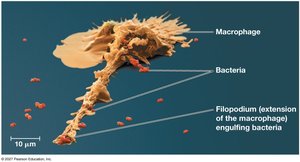
Cellular functions depend on the coordinated activity of all cellular components. For example, immune cells like macrophages rely on the cytoskeleton, lysosomes, and plasma membrane to engulf and destroy bacteria.
Summary Table: Comparison of Cell Types and Structures
Feature | Prokaryotic Cell | Eukaryotic Cell |
|---|---|---|
Nucleus | No | Yes |
Membrane-bound Organelles | No | Yes |
Size | Small (1-10 µm) | Larger (10-100 µm) |
DNA Location | Nucleoid | Nucleus |
Cell Wall | Usually present | Present in plants, fungi; absent in animals |
Key Equations
Surface Area of a Cube:
Volume of a Cube:
Surface Area to Volume Ratio:
Additional info:
Cell fractionation is essential for isolating organelles for biochemical analysis.
The endosymbiont theory is supported by similarities between mitochondria/chloroplasts and bacteria.
Motor proteins such as kinesin and dynein move along microtubules, while myosin moves along actin filaments.
