 Indietro
Lecture 14
Guida di studio - Note intelligenti
 Appunti personalizzati basati sui tuoi materiali, ampliati con definizioni chiave, esempi e contesto.
Aerobic Cellular Respiration
Overview of Aerobic Cellular Respiration
Aerobic cellular respiration is a fundamental metabolic pathway in biology, responsible for breaking down glucose in the presence of oxygen to produce ATP, the cell's primary energy currency. This process occurs in both the cytoplasm and mitochondria of eukaryotic cells and consists of several distinct steps, each with specific reactants, products, and purposes.
Definition: Aerobic cellular respiration is a catabolic pathway that converts glucose and oxygen into ATP, water, and carbon dioxide.
Location: Begins in the cytoplasm (glycolysis) and continues in the mitochondria (pyruvate oxidation, citric acid cycle, oxidative phosphorylation).
Required Molecules: Glucose, ATP, NAD+
Step 1: Glycolysis
Glycolysis is the first step of aerobic cellular respiration, occurring in the cytoplasm. It involves a series of reactions that convert glucose into pyruvate, generating ATP and NADH.
Location: Cytoplasm
Purpose: Convert glucose to pyruvate and produce ATP and NADH.
Reactants: 1 Glucose, 2 NAD+, 2 ATP
Products: 2 Pyruvate, 2 NADH, 4 ATP (net gain: 2 ATP)
Example: Glycolysis is the universal first step in cellular respiration for most organisms.
Step 2: Pyruvate Oxidation
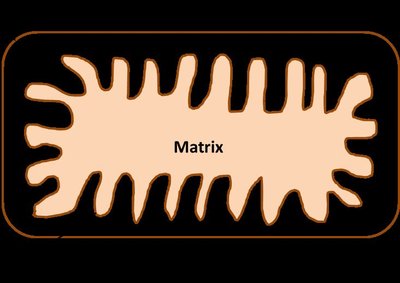
Pyruvate oxidation occurs in the mitochondrial matrix. Pyruvate is converted into Acetyl CoA, producing NADH and preparing for entry into the citric acid cycle.
Location: Mitochondrial matrix
Purpose: Convert pyruvate into Acetyl CoA, generating NADH for the next steps.
Reactants: Pyruvate, CoA, NAD+
Products: Acetyl CoA, NADH
Example: Pyruvate oxidation links glycolysis to the citric acid cycle.
Step 3: Citric Acid Cycle (Krebs Cycle)
The citric acid cycle takes place in the mitochondrial matrix. It oxidizes Acetyl CoA, producing NADH, FADH2, ATP, and CO2. The cycle is essential for generating electron carriers for the next step.
Location: Mitochondrial matrix
Purpose: Oxidize Acetyl CoA to produce NADH and FADH2 for oxidative phosphorylation.
Reactants: Acetyl CoA, Oxaloacetate, NAD+, FAD
Products: CO2, ATP, NADH, FADH2, Oxaloacetate (regenerated)
Example: The citric acid cycle is a central metabolic pathway in aerobic organisms.
Step 4: Oxidative Phosphorylation
Oxidative phosphorylation occurs at the inner mitochondrial membrane. It includes the electron transport chain (ETC) and chemiosmosis, which together generate a proton gradient used by ATP synthase to produce ATP.
Location: Inner mitochondrial membrane
Purpose: Establish a high H+ gradient and use it to power ATP synthase, producing ATP.
Reactants: NADH, FADH2, H+, Oxygen, ADP, Pi
Products: ATP, Water, H+ gradient
Example: The ETC and chemiosmosis are responsible for most ATP production in aerobic respiration.
Summary Table: Steps of Aerobic Cellular Respiration
Step | Location | Reactants | Products | Purpose |
|---|---|---|---|---|
Glycolysis | Cytoplasm | Glucose, NAD+, ATP | Pyruvate, NADH, ATP | Break down glucose to pyruvate |
Pyruvate Oxidation | Mitochondrial Matrix | Pyruvate, CoA, NAD+ | Acetyl CoA, NADH | Prepare for citric acid cycle |
Citric Acid Cycle | Mitochondrial Matrix | Acetyl CoA, Oxaloacetate, NAD+, FAD | CO2, ATP, NADH, FADH2 | Produce electron carriers |
Oxidative Phosphorylation | Inner Membrane | NADH, FADH2, H+, O2, ADP, Pi | ATP, H+ gradient, Water | Generate ATP |
Key Equations
Overall Equation for Aerobic Cellular Respiration:
ATP Yield: Most ATP is produced during oxidative phosphorylation, powered by the electron transport chain and chemiosmosis.
Study Tips
Practice drawing and explaining each step of aerobic cellular respiration.
Memorize the purpose, reactants, and products of each step.
Review the concept map and be able to reproduce it from memory.
