 Indietro
An Introduction to Metabolism: General Biology Study Notes
Guida di studio - Note intelligenti
 Appunti personalizzati basati sui tuoi materiali, ampliati con definizioni chiave, esempi e contesto.
An Introduction to Metabolism
Overview of Metabolism
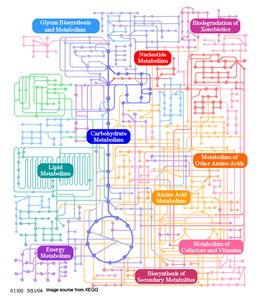
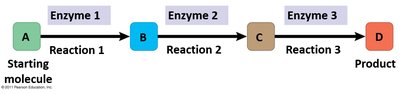
Metabolism encompasses all chemical reactions occurring within an organism, managing both material and energy resources of the cell. These reactions are organized into metabolic pathways, which are sequences of reactions catalyzed by specific enzymes.
Metabolic pathway: A series of chemical reactions that build or break down molecules, each step catalyzed by a unique enzyme.
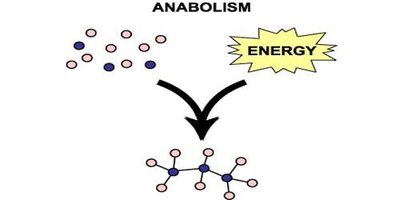
Anabolic pathways: Consume energy to build complex molecules.
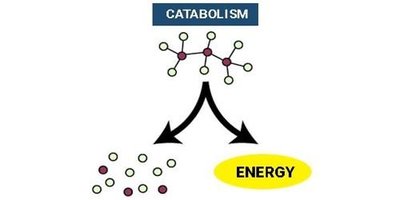
Catabolic pathways: Break down complex molecules, releasing energy.
Energy in Biological Systems
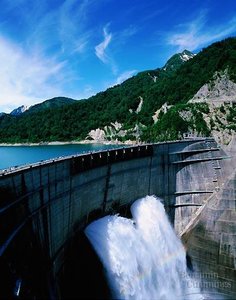
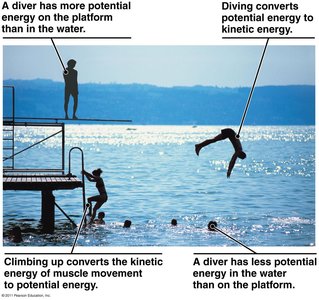
Energy is the capacity to do work. It exists in various forms, including kinetic, potential, and chemical energy. Organisms are open systems, absorbing energy from their surroundings and releasing energy and waste products back.
Kinetic energy: Energy of motion, including heat (thermal energy).
Potential energy: Energy due to position or structure.
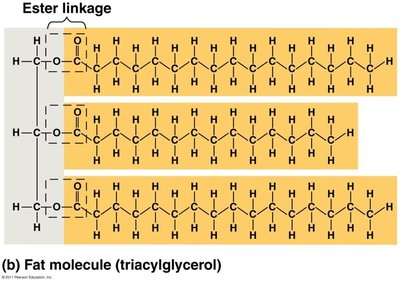
Chemical energy: Potential energy stored in chemical bonds.
Thermodynamics in Biology
Biological systems obey the laws of thermodynamics, which govern energy transformations and the direction of spontaneous processes.
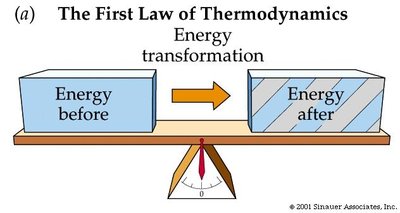
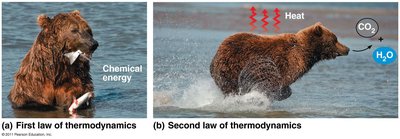
First Law of Thermodynamics: Energy can be transferred and transformed, but not created or destroyed (Law of Conservation of Energy).
Second Law of Thermodynamics: Every energy transfer increases the entropy (disorder) of the universe.
Key Vocabulary
Understanding metabolism requires familiarity with several key terms.
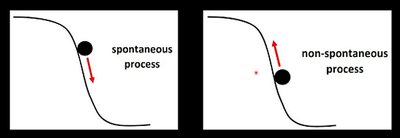
Spontaneous reactions: Occur without sustained input of energy; energetically favorable.
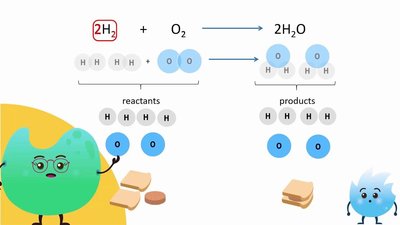
Reactants: Substances used in a reaction.
Products: Substances formed in a reaction.
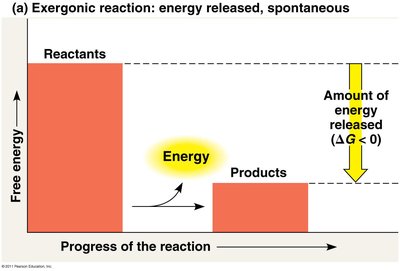
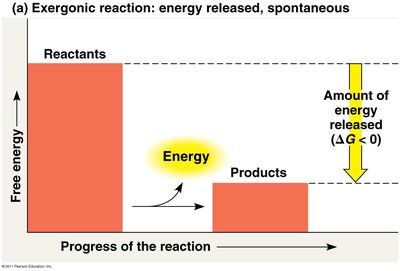
Exergonic reactions: Release energy; spontaneous.
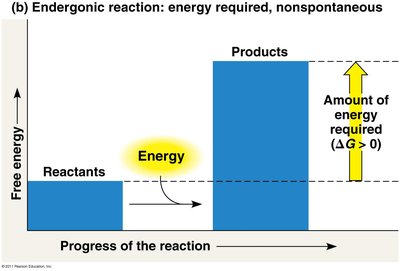
Endergonic reactions: Absorb energy; non-spontaneous.

Classification of Chemical Reactions
Spontaneous vs. Non-Spontaneous Processes
Spontaneous processes increase the entropy of the universe and do not require continuous energy input. Non-spontaneous processes require energy input.
Exergonic: Spontaneous, energy-releasing, negative ΔG.
Endergonic: Non-spontaneous, energy-absorbing, positive ΔG.
Energy Coupling and ATP
Cells couple exergonic and endergonic reactions to efficiently manage energy. ATP (Adenosine Triphosphate) is the primary energy currency, mediating most energy coupling in cells.
ATP hydrolysis: ATP + H2O → ADP + Pi; ΔG = -7.3 kcal/mol
ATP regeneration: ADP + Pi → ATP; ΔG = 7.3 kcal/mol
ATP transfers phosphate groups to reactants, making them more reactive (phosphorylated intermediates).
Activation Energy and Enzymes
Activation Energy
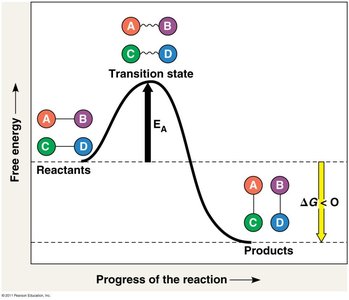
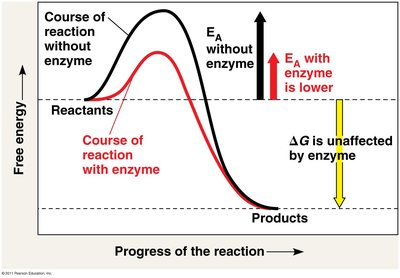
Activation energy (EA) is the initial energy required to start a reaction by contorting bonds in reactants. Enzymes lower activation energy, making reactions proceed faster without altering ΔG.
Transition state: Unstable state where bonds are contorted.
Enzymes: Biological catalysts, usually proteins, that speed up reactions.
Enzyme Structure and Function
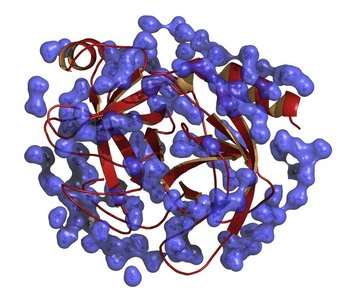
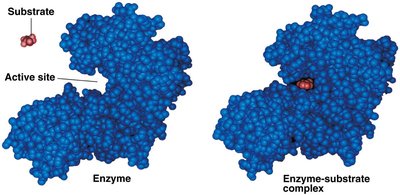
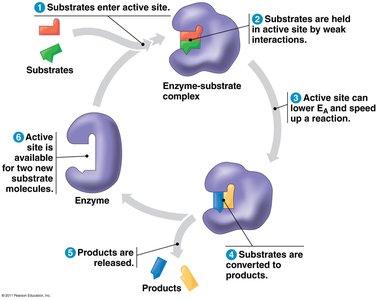
Enzymes are highly specific due to their three-dimensional structure. The substrate binds to the enzyme's active site, often inducing a structural change (induced fit) for optimal binding.
Substrate: Reactant that an enzyme acts upon.
Active site: Region on enzyme where substrate binds.
Induced fit: Structural change in enzyme upon substrate binding.
Factors Affecting Enzyme Activity
Enzyme activity is influenced by temperature, pH, cofactors, coenzymes, and inhibitors.
Temperature: Higher temperatures increase reaction rate, but excessive heat causes denaturation.
pH: Optimal pH varies by enzyme and environment.
Cofactors: Inorganic ions required for enzyme function (e.g., copper, zinc, iron).
Coenzymes: Organic molecules required for enzyme function (e.g., NAD+, FAD, vitamins).
Enzyme inhibitors: Competitive inhibitors bind to active site; noncompetitive inhibitors bind elsewhere, altering enzyme shape.
Regulation of Metabolic Pathways
Feedback Inhibition
Metabolic pathways are regulated by feedback inhibition, where the end-product binds to an allosteric site on the first enzyme, shutting down the pathway when product levels are high.
Allosteric site: Site other than the active site where regulatory molecules bind.
Feedback inhibition: Prevents overproduction of end-products.
Cellular Localization
Cells localize enzymes within specific compartments to ensure efficient substrate supply and reaction control.
Enzymes in the same compartment facilitate sequential reactions.
Summary Table: Types of Metabolic Pathways
Pathway Type | Description | Energy Flow |
|---|---|---|
Anabolic | Builds complex molecules | Consumes energy |
Catabolic | Breaks down molecules | Releases energy |
Additional info: These notes expand on the original content by providing definitions, examples, and academic context for each concept, ensuring completeness and clarity for exam preparation.
