 Indietro
Angiosperm Diversity, Structure, and Reproduction
Guida di studio - Note intelligenti
 Appunti personalizzati basati sui tuoi materiali, ampliati con definizioni chiave, esempi e contesto.
Angiosperm Clade: Overview
Definition and Evolution
Angiosperms, or "vessel seeds," are flowering plants that produce seeds enclosed within fruits. They are the most diverse clade of land plants, with over 300,000 species, and evolved from a common ancestor with gymnosperms approximately 140 million years ago. The Anthophyta clade (Phylum) is synonymous with angiosperms.
Key Point: Angiosperms are sporophyte dominant; their gametophytes are reduced and contained within reproductive organs.
Key Point: Angiosperms include flowers, trees, fruits, vegetables, grains, and grasses—anything that produces a flower.
Example: Corn, rice, beans, apples, and roses are all angiosperms.
Phylogeny of Anthophyta
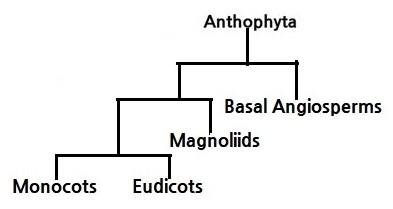
The Anthophyta clade is divided into six subclades, including basal angiosperms, magnoliids, monocots, and eudicots. Basal angiosperms are considered less advanced, while monocots and eudicots are the most common and recently evolved.
Basal Angiosperms
Characteristics and Examples
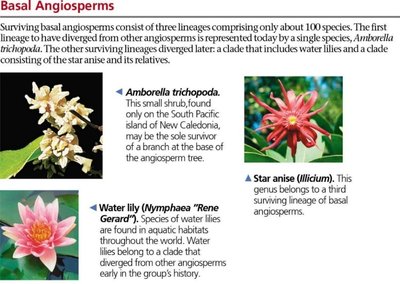
Basal angiosperms are not a monophyletic group and possess primitive structures, such as tepals instead of distinct petals and sepals, spiral phyllotaxy, many unfused carpels, and aromatic oils. Their vascular systems are less complex than those of monocots and eudicots. Only about 5% of angiosperm species are basal angiosperms.
Key Point: Basal angiosperms include Amborella, water lilies, and star anise.
Example: Amborella trichopoda is considered the most basal angiosperm.
Magnoliids
Characteristics and Examples
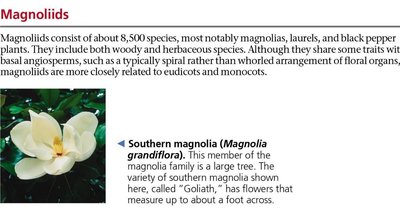
Magnoliids share traits with both basal angiosperms and monocots/eudicots. They include both woody and herbaceous species and are characterized by spiral rather than whorled floral arrangements. Magnoliids are less than 10% of angiosperm species.
Key Point: Magnoliids include magnolias, laurels, and black pepper plants.
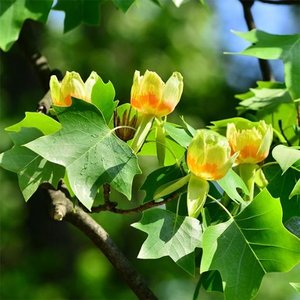
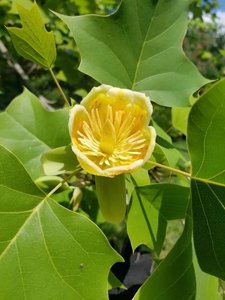
Example: The tulip tree (Liriodendron tulipifera) is a dominant magnoliid in Northeastern forests.
Monocots
Structural Features
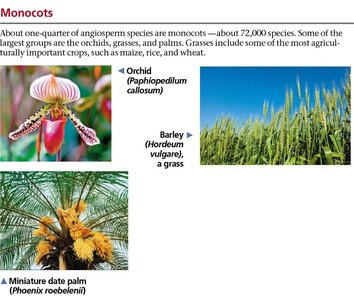
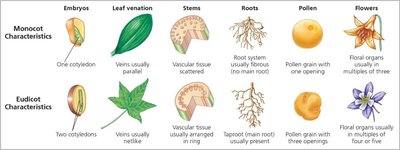
Monocots are all herbaceous and constitute about 25% of angiosperm species. Their flower parts are in multiples of three, leaf veins are parallel, roots are fibrous, and food is stored in one cotyledon. Vascular bundles are scattered in the stem.
Key Point: Monocots include grasses, lilies, orchids, and palms.
Example: Corn, rice, wheat, and barley are monocots.
Eudicots
Structural Features
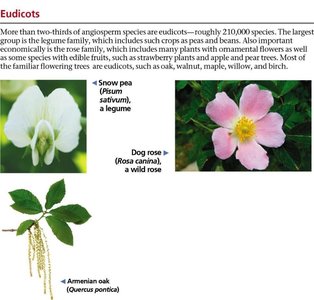
Eudicots can be herbaceous or woody and make up more than 65% of angiosperm species. Their flower parts are in multiples of four or five, leaf veins are netted, roots are taproots, and food is stored in two cotyledons. Vascular bundles are arranged in a ring in the stem.
Key Point: Eudicots include roses, legumes, oaks, and maples.
Example: Peanuts, beans, apples, and sunflowers are eudicots.
Monocots vs. Eudicots: Comparison
Key Differences
Monocots and eudicots are the two major subclades of Anthophyta, with distinct structural differences. The number of cotyledons, flower part arrangement, leaf venation, root system, and pollen grain structure are major distinguishing features.
Key Point: Monocots have one cotyledon, parallel leaf veins, fibrous roots, and pollen with one pore.
Key Point: Eudicots have two cotyledons, netted leaf veins, taproots, and pollen with three pores.
Angiosperm Reproduction
Flower Structure and Function
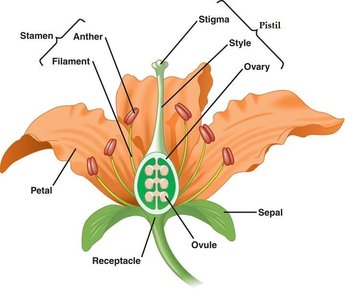
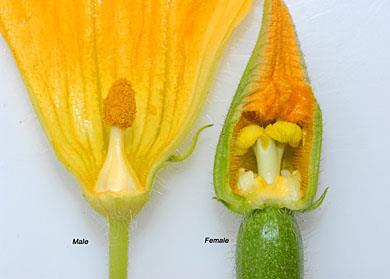
Flowers are the reproductive organs of angiosperms, containing both male (stamens: anther & filament) and female (pistil/carpel: ovary, style, stigma) parts. Flowers may be bisexual (perfect), monoecious (separate male and female flowers on the same plant), or dioecious (male and female flowers on separate plants).
Key Point: Stamens produce pollen; pistils produce ovules.
Example: Cherry flowers are perfect; squash is monoecious; holly is dioecious.
Gametophyte Development
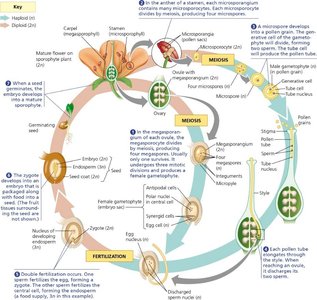
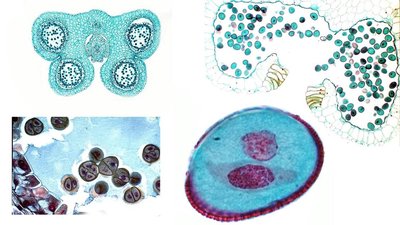
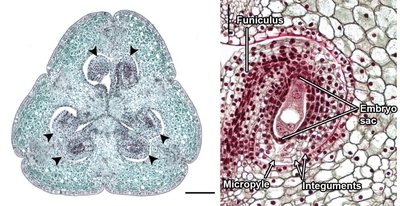
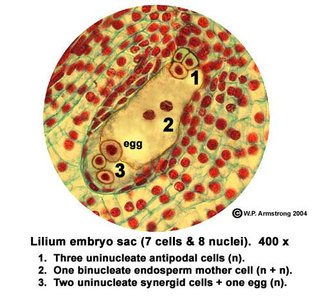
Inside the anther, microsporangia produce haploid microspores by meiosis, which develop into pollen grains (male gametophyte). Inside the ovule, megasporangia produce haploid megaspores, one of which develops into the embryo sac (female gametophyte).
Key Point: Pollen grains contain a tube cell and a generative cell; the embryo sac contains the egg and other nuclei.
Pollination and Fertilization
Pollination Mechanisms
Pollen is transferred from the anther to the stigma by animal vectors or wind. The tube cell grows a pollen tube down the style, and the generative cell divides to form two sperm that travel to the embryo sac.
Key Point: Double fertilization occurs: one sperm fertilizes the egg (forming a 2n embryo), the other fertilizes two nuclei (forming a 3n endosperm).
Example: The endosperm provides nutrition for the developing embryo.
Fruit and Seed Development
Formation and Dispersal
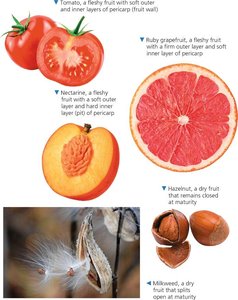
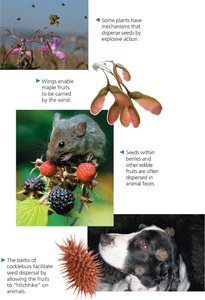
After fertilization, the ovary transforms into a fruit and ovules into seeds. Fruits may be fleshy or dry, and seeds vary in size. Seed dispersal mechanisms include wind, water, animal ingestion, and attachment to animals.
Key Point: Seed dispersal increases the chances of survival by reducing competition with the parent plant.
Example: Maple seeds have wings; dandelion seeds have hairs; berries are eaten by animals.
Angiosperms and Humans
Economic and Medicinal Importance
Angiosperms are essential for human survival, providing food, wood, medicines, and other resources. Humans have shaped angiosperm genetics through artificial breeding. Many medicines are derived from angiosperms.
Key Point: Aspirin is derived from willow bark; chemotherapy agents from periwinkle; digitalis from foxglove.
Example: Wheat, rice, apples, and roses are economically important angiosperms.
Evolutionary Connection with Animals
Pollination and Co-evolution
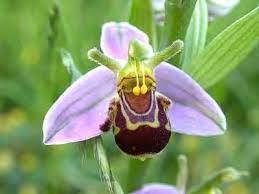
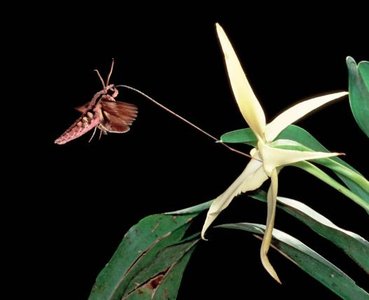
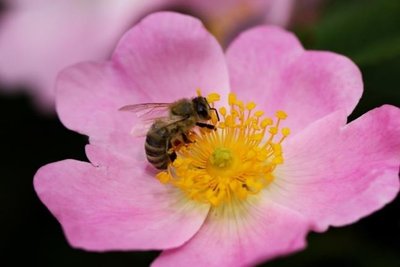
Angiosperms and insects have co-evolved for over 100 million years. Most flowers rely on animal pollinators, such as bees, butterflies, birds, and bats. Flowers have adaptations to attract specific pollinators, including color, scent, and nectar.
Key Point: Bilaterally symmetrical flowers often serve as landing pads for pollinators.
Example: Bees are attracted to yellow and orange flowers; bats and moths follow scent at night.
Embryophyte Diversity
Classification Table
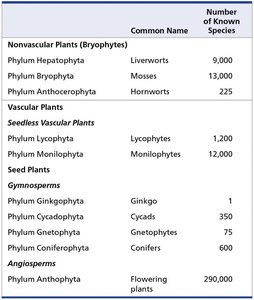
The diversity of land plants (embryophytes) includes nonvascular plants (bryophytes), seedless vascular plants, gymnosperms, and angiosperms. Angiosperms are the most numerous group.
Group | Common Name | Number of Known Species |
|---|---|---|
Phylum Hepatophyta | Liverworts | 9,000 |
Phylum Bryophyta | Mosses | 13,000 |
Phylum Anthocerophyta | Hornworts | 225 |
Phylum Lycophyta | Lycophtes | 1,200 |
Phylum Monilophyta | Monilophytes | 12,000 |
Phylum Ginkgophyta | Ginkgo | 1 |
Phylum Cycadophyta | Cycads | 350 |
Phylum Gnetophyta | Gnetophytes | 75 |
Phylum Coniferophyta | Conifers | 600 |
Phylum Anthophyta | Flowering plants | 290,000 |
