 Indietro
Animal Behavior: Courtship Rituals, Mating Systems, and Sexual Selection
Guida di studio - Note intelligenti
 Appunti personalizzati basati sui tuoi materiali, ampliati con definizioni chiave, esempi e contesto.
Animal Behavior
Courtship Rituals
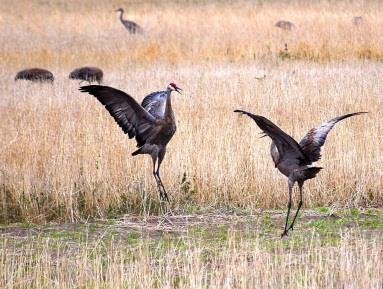
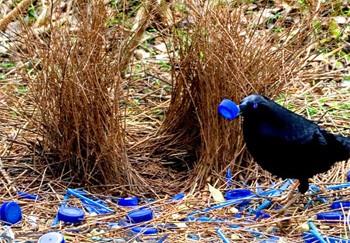
Courtship rituals are specialized behaviors performed by animals, often males, to attract mates. These displays can include dances, songs, physical displays, or even fighting, and serve to impress the opposite sex and facilitate mating.
Examples of Courtship Rituals: Pheromones, touch, courtship feeding, lekking, tongue flashing, urine spraying, love darts, sand patterns, grooming, hand clasp.
Functions: Species and gender recognition, attracting mates and mate choice, assessing partner quality, strengthening pair bonds, species isolation.
Factors Influencing Courtship: Species-specific behaviors, environmental factors, individual variation, sexual selection.
Example: Courtship Song and Dance
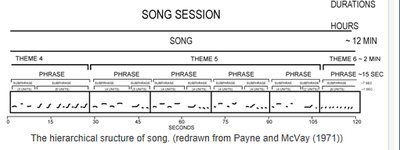
Many birds use complex songs or dances to attract mates, with the quality of the display often indicating the health or genetic fitness of the performer.
Mating Systems
Mating systems describe the social and reproductive arrangements between males and females in a species. These systems influence genetic diversity, parental investment, and reproductive success.
Monogamy: One mate per individual. Includes social monogamy (pairing) and serial monogamy (extra-pair copulations).
Polygamy: Multiple mates per individual during a breeding period.
Polygyny: One male mates with multiple females. Includes resource defense polygyny, harems, and leks.
Polyandry: One female mates with multiple males. Includes resource defense polyandry and cooperative polyandry.
Promiscuity: No lasting pair bonds; both sexes mate with multiple partners.
Sperm Competition: Competition between sperm from different males to fertilize eggs.
Resource Defense Polygyny
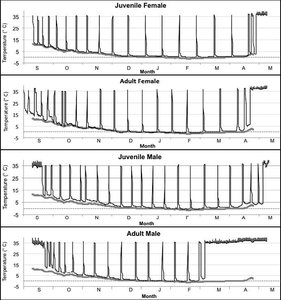
Males defend territories with valuable resources, and females choose mates based on territory quality. Example: Ground squirrels, where males exit hibernation early to secure the best territories.
Female Defense Polygyny
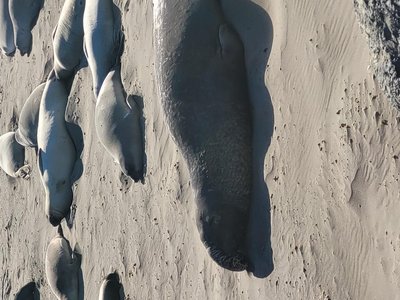
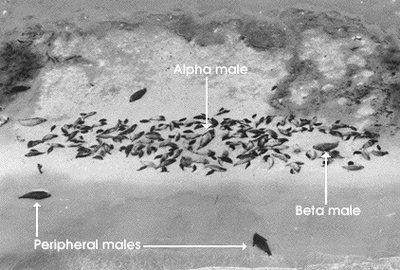
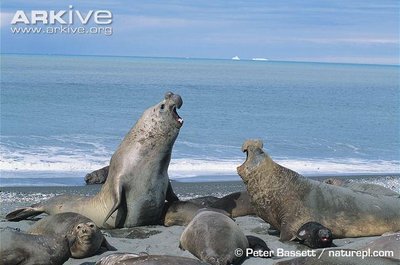
Males defend groups of females from other males, often resulting in harems. Example: Elephant seals, where males arrive at breeding colonies first and mate with all females in their territory.
Lekking
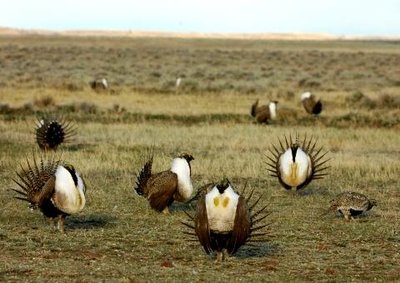
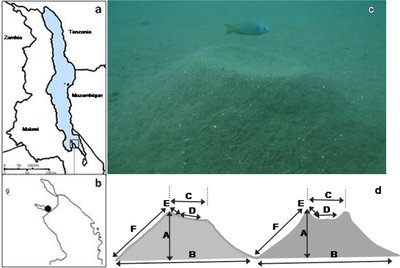
Males gather in communal arenas to perform displays, and females choose mates based on these displays. Only the most dominant males typically breed.
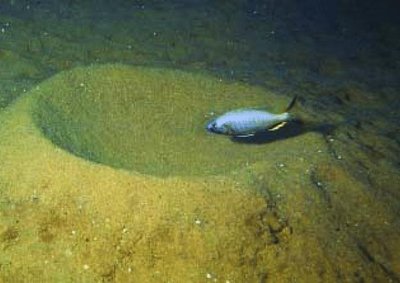
Example: Cichlid fish build sand craters; sage grouse gather in groups for display.
Territoriality
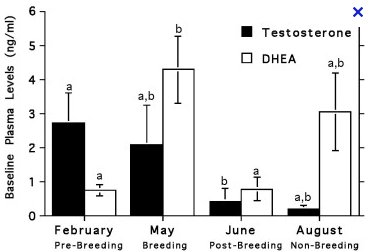
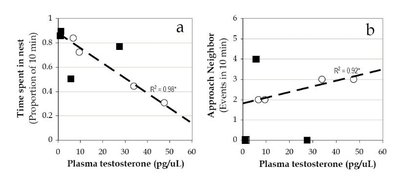
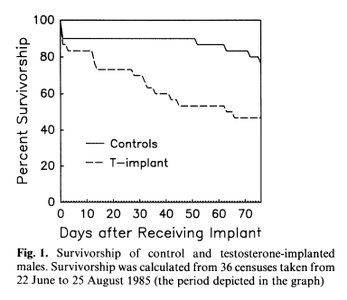
Territorial behavior involves animals actively denying others access to a habitat or resource, such as food, water, shelter, or mates. This behavior is energetically expensive and often seasonal, driven by fluctuations in sex hormones.
Benefits: Access to resources necessary for reproductive success.
Costs: Energetically expensive, less time to feed.
Hormonal Influence: Circulating testosterone changes seasonally in most vertebrates, increasing territorial behaviors and decreasing brooding behaviors.
Sexual Selection
Sexual selection is a form of natural selection where traits evolve because they increase an individual's reproductive success, even if they reduce survival. It includes intersexual selection (mate choice) and intrasexual selection (competition).
Intersexual Selection: Female choice, often based on traits indicating genetic quality or parental investment.
Intrasexual Selection: Competition among males for access to females, often resulting in dominance hierarchies.
Intersexual Selection
Bateman's Principle: The sex investing most in offspring becomes a limiting resource for which the other sex competes.
Hypotheses: Immediate effects (parental care), good genes (handicap principle), Fisher's runaway selection, mate copying.
Traits: Morphological features (color, ornamentation, size), song, dance, nest construction.
Intrasexual Selection
Dominance Hierarchies: Only a few males pass genes to the next generation.
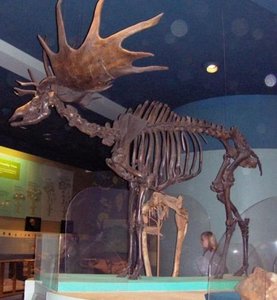
Threat Displays: Vocalization, display of body size, teeth, antlers, facial expression, release of chemicals, changes in coloration.
Physical Aggression: Biting, hitting, pushing, chasing.
Examples: Elephant seals, horses, chimpanzees.
Sexual Dimorphism
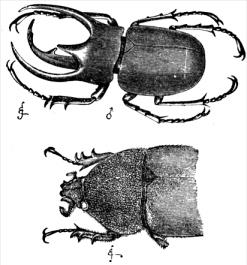
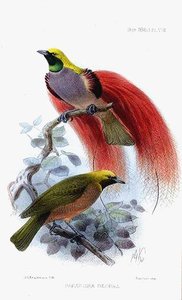
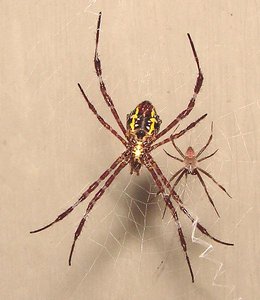
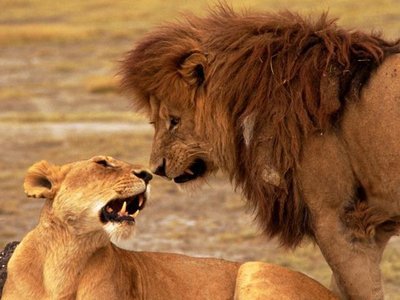
Sexual dimorphism refers to differences in appearance between males and females of the same species, often resulting from sexual selection. Examples include size, coloration, ornamentation, and specialized structures.
Examples: Stag beetles, birds of paradise, banana spiders, anglerfish, lions, elephant seals.
Frequency Dependent Sexual Selection
Frequency dependent selection occurs when the fitness of a phenotype depends on its frequency relative to other phenotypes. In some lizard species, different male strategies (aggressive, territorial, sneaker) are favored depending on the frequency of competing strategies.
Example: Rock, paper, scissors lizards—orange (aggressive), blue (territorial), yellow (sneaker). Each color does best when its 'enemy' color is common.
Strategy | Behavior | Advantage |
|---|---|---|
Orange | Aggressive | Dominates blue |
Blue | Territorial | Defends against yellow |
Yellow | Sneaker | Evades orange |
Additional info: This dynamic maintains genetic diversity and prevents any one strategy from dominating the population.
----------------------------------------
