 Indietro
Animal Diversity and Evolution: Study Notes for General Biology
Guida di studio - Note intelligenti
 Appunti personalizzati basati sui tuoi materiali, ampliati con definizioni chiave, esempi e contesto.
Kingdom Animalia: Defining Features
Characteristics of Animals
Animals are a diverse group of multicellular eukaryotes distinguished by several key features that set them apart from other life forms.
Nutrition: Animals are heterotrophs, meaning they obtain energy by ingesting other organisms or organic material.
Cell Structure: Animal cells lack cell walls, unlike plants and fungi. Their bodies are held together by structural proteins such as collagen.
Tissues: Most animals possess specialized tissues, including nervous and muscle tissue, which are unique to the kingdom.
Reproduction: Most animals reproduce sexually, with a dominant diploid stage. Gametes are produced directly by meiosis.
Example: Animals range from simple sponges to complex mammals.
Animal Development and Life Cycle
Embryonic Development
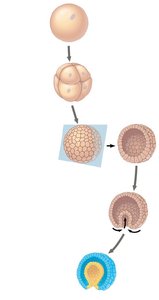
Animal development begins with fertilization, forming a diploid zygote that undergoes rapid cell division (cleavage).
Cleavage: The zygote divides to form an eight-cell stage, then a multicellular, hollow blastula.
Gastrulation: The blastula undergoes gastrulation, forming a gastrula with distinct embryonic tissue layers: ectoderm and endoderm (and mesoderm in triploblastic animals).
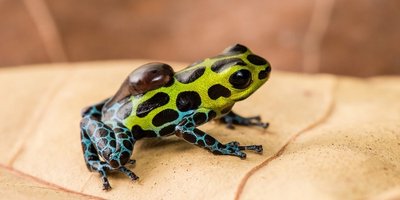
Larval Stage: Many animals have a larval stage that is morphologically distinct from the adult and undergoes metamorphosis.
Example: Frogs have a larval stage (tadpole) before metamorphosing into adults.
Genetic Regulation of Development
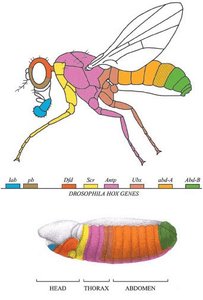
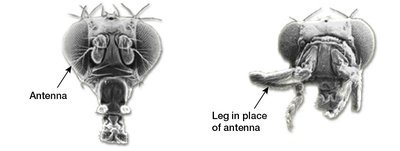
Animals possess Hox genes that regulate the development of body form. These genes are highly conserved and allow for a wide diversity of animal morphology.
Hox Genes: Control the identity of body regions during embryonic development.
Mutations: Changes in Hox gene expression can lead to dramatic changes in body plan.
Animal Evolution and Phylogeny
Origins and Early Evolution
The evolutionary history of animals traces back to a common ancestor, likely a group of suspension-feeding protists called choanoflagellates.
Choanoflagellates: Closest living relatives to animals, providing insight into early animal evolution.
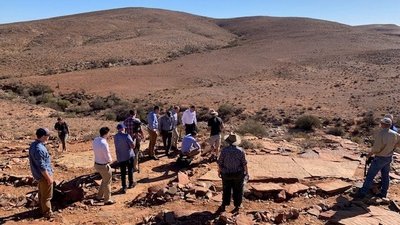
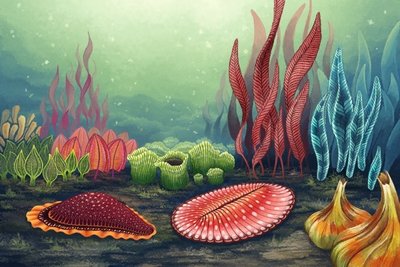
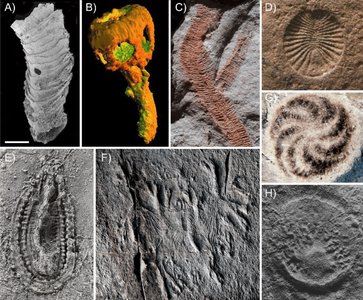
Fossil Record: Early animal fossils include the Ediacaran biota (~560 mya) from the Neoproterozoic era.
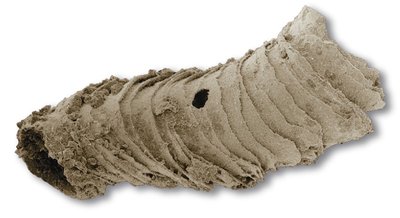
Cambrian Explosion and Animal Diversity
The Cambrian explosion (535-525 mya) marks the earliest fossil appearance of many major animal groups, including those with mineralized skeletons.
Bilaterians: Most Cambrian fossils are bilaterally symmetric animals with a complete digestive tract.
Major Groups: Arthropods, mollusks, and chordates emerged during this period.
Example: Fossils such as Opabinia regalis and Hallucigenia illustrate early animal diversity.
Major Eras in Animal Evolution
Paleozoic Era (541–252 mya): Animal diversity increased, with transitions to land by arthropods and vertebrates. Mass extinctions, such as the Permian event, shaped animal evolution.
Mesozoic Era (252–66 mya): Coral reefs emerged, dinosaurs dominated, mammals evolved, and angiosperms diversified.
Cenozoic Era (66 mya–present): Mammals increased in size and abundance following mass extinctions; global climate cooled.
Animal Body Plans and Symmetry
Body Plan Organization
An animal's body plan is a set of morphological and developmental traits integrated into a functional whole.
Symmetry: Animals can be categorized by body symmetry:
Radial Symmetry: Body parts arranged around a central axis; common in sessile or planktonic animals.
Bilateral Symmetry: Two-sided symmetry; associated with active movement and central nervous system.
Tissue Organization
Animals differ in their tissue organization:
Sponges (Porifera): Lack true tissues.
Cnidarians: Have true tissues and are diploblastic (two germ layers).
Triploblastic Animals: Have three germ layers: ectoderm, endoderm, and mesoderm.
Body Cavities
Body cavities are fluid- or air-filled spaces between the digestive tract and body wall.
Coelom: True body cavity lined by mesoderm; animals with a coelom are coelomates.
Hemocoel: Body cavity derived from mesoderm and endoderm; can transport nutrients and waste.
Acoelomates: Triploblastic animals lacking a body cavity; exchange occurs across the body surface.
Animal Developmental Modes
Protostome vs. Deuterostome Development
Animals are categorized by their developmental modes, which differ in cleavage, coelom formation, and fate of the blastopore.
Protostomes: Spiral and determinate cleavage; coelom forms by splitting of mesoderm; blastopore becomes the mouth.
Deuterostomes: Radial and indeterminate cleavage; coelom forms from mesoderm buds off archenteron; blastopore becomes the anus.
Major Animal Groups and Clades
Bilaterian Clades
Most animal phyla belong to the clade Bilateria, which is divided into three major groups:
Deuterostomia: Includes hemichordates, echinoderms, and chordates (vertebrates and invertebrates).
Ecdysozoa: Invertebrates that shed their exoskeletons through ecdysis.
Lophotrochozoa: Invertebrates with a feeding structure called a lophophore or a distinct trochophore larva.
Example: Chordates include vertebrates such as mammals, birds, and fish.
Summary Table: Animal Body Plan Features
Feature | Radial Symmetry | Bilateral Symmetry |
|---|---|---|
Movement | Sessile or planktonic | Active movement |
Nervous System | Diffuse | Centralized |
Body Regions | No front/back, left/right | Anterior/posterior, dorsal/ventral |
Additional info:
Some academic context was inferred to clarify developmental stages, Hox gene function, and evolutionary eras.
Images were included only when directly relevant to the explanation of the paragraph.
