 Indietro
Animal Diversity: Body Plans and Major Invertebrate Lineages
Guida di studio - Note intelligenti
 Appunti personalizzati basati sui tuoi materiali, ampliati con definizioni chiave, esempi e contesto.
Animal Diversity and Body Plans
Introduction to Animal Diversity
Animals are a diverse group of multicellular eukaryotes with complex body plans and a wide range of ecological roles. Understanding animal diversity involves examining their evolutionary relationships, body structures, and unique adaptations that allow them to thrive in various environments.
Key Features of Animal Body Plans
Body Symmetry: Animals may exhibit asymmetry, radial symmetry, or bilateral symmetry. Symmetry influences movement, sensory organ placement, and ecological roles.
Body Cavity Structure: The presence and type of body cavity (acoelomate, pseudocoelomate, coelomate) affect organ development and movement.
Segmentation: Repetition of body segments can allow for specialization and more efficient movement.
External Appendages: Structures such as limbs, antennae, and tentacles aid in locomotion, feeding, and sensing the environment.
Development of Nervous System: Ranges from simple nerve nets to complex brains, influencing behavior and sensory processing.
Body Symmetry in Animals
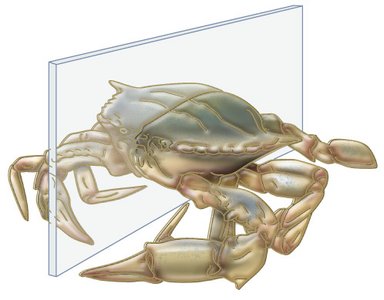
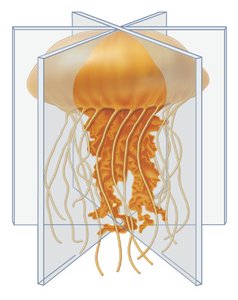
Symmetry is a fundamental aspect of animal body plans, affecting how animals interact with their environment.
Asymmetry: No plane of symmetry (e.g., sponges).
Radial Symmetry: Multiple planes of symmetry around a central axis, typical of cnidarians and ctenophores. Allows interaction with the environment from all directions.
Bilateral Symmetry: A single plane divides the body into left and right halves, with distinct anterior (head) and posterior (tail) ends. Enables directional movement and cephalization (development of a head region).
Body Cavities
The body cavity, or coelom, is a fluid-filled space that houses internal organs and allows for greater complexity in organ development and movement.
Acoelomate: No body cavity outside the digestive tract (e.g., flatworms).
Pseudocoelomate: Body cavity partially lined with mesoderm (e.g., roundworms).
Coelomate: True body cavity completely lined with mesoderm (e.g., annelids, mollusks, arthropods, chordates).
Genetic Control of Body Plans
Homeotic genes, especially Hox genes, play a crucial role in establishing the basic body plans of animals. These genes determine the head-to-tail organization and are highly conserved across bilaterians.
Hox Genes: Encode transcription factors that regulate the expression of other genes, guiding the development of body segments and structures.
Conservation: Hox genes are found in diverse animals, from flies to humans, indicating a shared evolutionary origin.
Major Invertebrate Lineages
Porifera (Sponges)
Diagnostic Synapomorphy: Choanocytes (collar cells) that pump water and trap food.
Body Plan: No true tissues; cells embedded in a collagen matrix with spicules for support; mostly asymmetric or radial; sessile filter feeders.
Ecological Role: Key members of reef and seafloor communities; host diverse microbiomes; source of bioactive compounds.

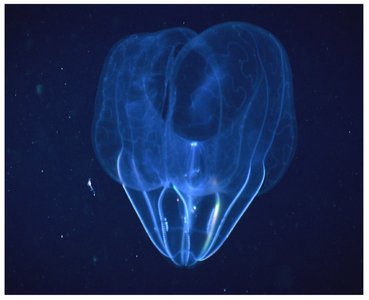
Ctenophora (Comb Jellies)
Diagnostic Synapomorphy: Comb rows of fused cilia for locomotion.
Body Plan: Radial symmetry; gelatinous, transparent bodies; complete digestive tract (mouth and anus); diffuse nerve net.
Ecological Role: Ocean predators; many are bioluminescent; some invasive species impact fisheries.

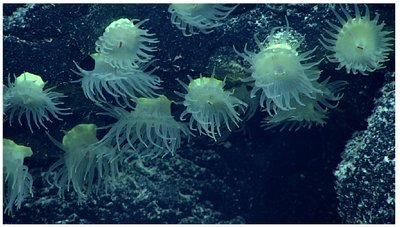
Cnidaria (Jellyfish, Corals, Hydrozoans)
Diagnostic Synapomorphy: Cnidocytes (stinging cells) for prey capture.
Body Plan: Radial symmetry; two forms—medusa (free-swimming) and polyp (sessile); incomplete gut (single opening).
Ecological Role: Reef-building corals; important predators; sources of biotechnological tools (e.g., GFP).
Bilateria: Protostomes and Deuterostomes
Bilaterians are animals with bilateral symmetry and three germ layers. They are divided into two major groups based on embryonic development:
Protostomes: Mouth forms first during development (includes mollusks, annelids, arthropods).
Deuterostomes: Anus forms first during development (includes echinoderms, chordates).
Echinodermata (Sea Stars, Urchins, Cucumbers)
Diagnostic Synapomorphy: Water vascular system with tube feet for movement and feeding.
Body Plan: Bilateral larvae; adults with pentaradial symmetry; calcium carbonate endoskeleton.
Ecological Role: Keystone predators; important in marine ecosystems as grazers and detritivores.

Chordata (Invertebrate Chordates: Tunicates & Lancelets)
Diagnostic Synapomorphy: Four chordate traits—notochord, dorsal hollow nerve cord, post-anal tail, pharyngeal gill slits.
Body Plan: Traits may be present only in larvae; tunicates are sessile filter feeders, lancelets are burrowing filter feeders.
Ecological Role: Tunicates are sources of novel drugs; chordates include all vertebrates.

Platyhelminthes (Flatworms)
Diagnostic Synapomorphy: Flat, thin bodies with loss of coelom, circulatory, and respiratory systems.
Body Plan: Simple diffusion for gas and nutrient exchange; incomplete gut; includes free-living and parasitic species.
Ecological Role: Important in regeneration research; some are significant human parasites.
Mollusca (Snails, Clams, Squid, Octopuses)
Diagnostic Synapomorphy: Radula, muscular foot, visceral mass, and mantle (may secrete shell).
Body Plan: Highly diverse; specialized feeding and locomotion structures.
Ecological Role: Major marine and freshwater consumers; important food source for humans.
Annelida (Segmented Worms)
Diagnostic Synapomorphy: Segmented bodies with a coelom acting as a hydrostatic skeleton.
Body Plan: Segments with bristles (chaetae); movement via muscle contractions.
Ecological Role: Soil and sediment aerators; medical uses for leeches.
Nematoda (Roundworms)
Diagnostic Synapomorphy: Growth by molting; pseudocoelom as hydrostatic skeleton.
Body Plan: Small, unsegmented; cuticle shed during growth; simple body structure.
Ecological Role: Extremely abundant; decomposers and parasites; model organism C. elegans.
Arthropoda (Invertebrate Subgroups)
Arachnida: Two body regions, eight legs, clawed mouthparts; includes spiders, ticks, mites.
Myriapoda: Long trunk with many leg-bearing segments; includes millipedes (detritivores) and centipedes (predators).
Crustacea: Two pairs of antennae, branched limbs, aquatic; includes crabs, shrimp, barnacles, lobsters.
Insecta: Three body regions, six legs, usually wings; dominant terrestrial consumers and pollinators.
Summary Table: Major Invertebrate Lineages and Synapomorphies
Lineage | Diagnostic Synapomorphy | Body Plan | Ecological Role |
|---|---|---|---|
Porifera | Choanocytes | No true tissues, filter feeders | Reef community, bioprospecting |
Ctenophora | Comb rows | Radial, complete gut | Predators, bioluminescent |
Cnidaria | Cnidocytes | Radial, medusa/polyp forms | Reef builders, predators |
Echinodermata | Water vascular system | Pentaradial adults | Keystone predators |
Chordata | Four chordate traits | Notochord, nerve cord, tail, gill slits | Includes all vertebrates |
Platyhelminthes | Flat, thin bodies | No coelom, incomplete gut | Regeneration, parasites |
Mollusca | Radula, foot, mantle | Diverse, often shelled | Major food source |
Annelida | Segmented body | Coelom, bristles | Soil aeration, medical |
Nematoda | Molting, pseudocoelom | Unsegmented, cuticle | Decomposers, parasites |
Arthropoda | Jointed appendages, exoskeleton | Segmented, diverse | Dominant invertebrates |
Conclusion
Animal diversity is organized by evolutionary relationships and diagnostic traits (synapomorphies). Each major lineage represents a unique solution to movement, feeding, and survival, with profound ecological and human significance. Understanding these groups provides a foundation for studying animal physiology, ecology, and evolution.
