 Indietro
Animal Diversity: Cnidarians, Ctenophores, and Protostomes
Guida di studio - Note intelligenti
 Appunti personalizzati basati sui tuoi materiali, ampliati con definizioni chiave, esempi e contesto.
Introduction to Major Animal Lineages
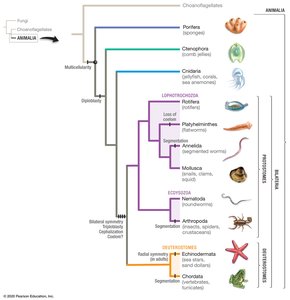
Overview of Animal Phylogeny
The animal kingdom is divided into several major lineages, each characterized by unique structural and developmental features. Understanding these lineages is fundamental to the study of animal diversity and evolution.
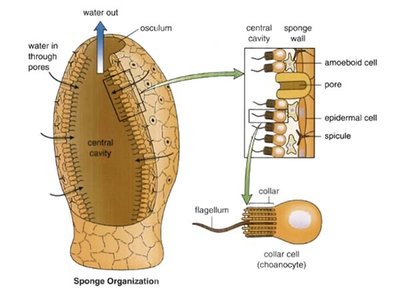
Sponges (Phylum Porifera): Simple, multicellular animals lacking true tissues.
Comb Jellies (Phylum Ctenophora): Marine animals with biradial symmetry and cilia for locomotion.
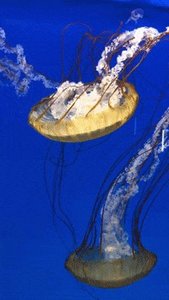
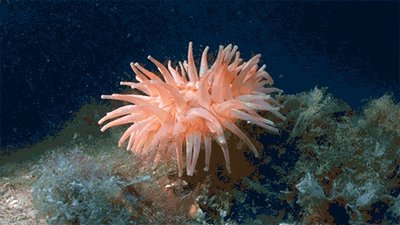
Cnidarians (Phylum Cnidaria): Includes jellyfish, corals, and sea anemones; radially symmetrical and diploblastic.
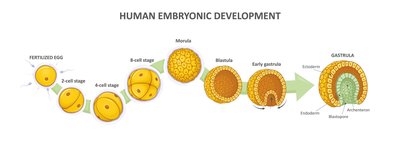
Protostomes: Bilaterian animals with mouth developing first during embryogenesis.
Deuterostomes: Bilaterian animals with anus developing first during embryogenesis.
Diploblastic Animals: Cnidarians and Ctenophores
Body Symmetry and Germ Layers
Diploblastic animals possess two primary germ layers: ectoderm and endoderm. They typically exhibit radial symmetry, with body parts organized around a central axis.
Radial Symmetry: Allows interaction with the environment from all directions.
Diploblasty: Two germ layers (ectoderm and endoderm); lack mesoderm, so no true muscle tissue.
Contractile Proteins: Some diploblasts use contractile proteins for movement.
Phylum Cnidaria
Cnidarians are aquatic animals with a simple body plan. They are characterized by specialized stinging cells called cnidocytes.
Habitat: Marine and freshwater environments.
Body Structure: Radially symmetrical; mouth surrounded by tentacles.
Cnidocytes: Specialized cells containing cnidocysts for defense and prey capture.
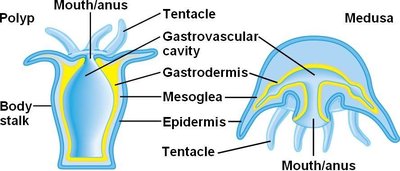
Subphyla of Cnidaria
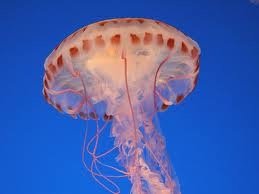
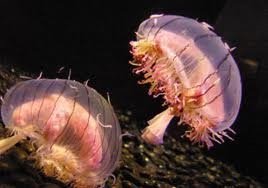
Medusozoa: Includes jellyfish and hydra; life cycle alternates between medusa and polyp forms.
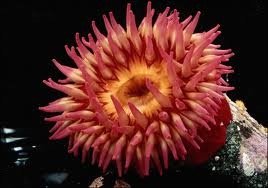
Anthozoa: Includes corals and sea anemones; lack a medusa stage.
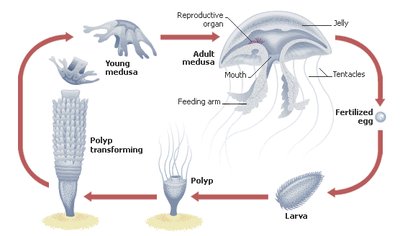
Medusozoa Life Cycle
Medusozoans exhibit two basic body forms: medusae (free-swimming) and sessile polyps. Their life cycle involves alternation between these forms.
Polyp: Sessile, cylindrical form.
Medusa: Free-swimming, bell-shaped form.
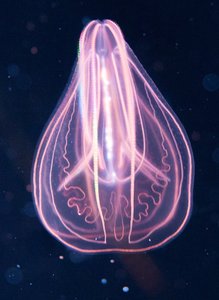
Phylum Ctenophora: Comb Jellies
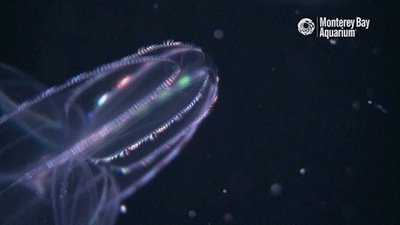
Comb jellies are marine animals with biradial symmetry and eight rows of cilia for locomotion.
Locomotion: Use cilia arranged in comb plates.
Bioluminescence: Many species are bioluminescent.
Absence of Cnidocytes: Unlike cnidarians, ctenophores lack stinging cells.
Origins of Bilaterians: Triploblasty and Body Cavities
Triploblasty and Bilateral Symmetry
Bilaterians are animals with three germ layers: ectoderm, endoderm, and mesoderm. This allows for greater complexity, including true muscle tissue and specialized organs.
Bilateral Symmetry: Body plan with distinct left and right sides.
Cephalization: Concentration of nerve cells at the anterior end (head).
Coelom: Internal body cavity lined by mesoderm.
Evolution of Specialized Systems
Nervous System: Bilaterians have a central nervous system; cnidarians and ctenophores have simple nerve nets.
Digestive System: Bilaterians possess a complete digestive tract; cnidarians and ctenophores have a single opening for food and waste.
Body Cavities: Coelomates have a true coelom; acoelomates lack a body cavity; pseudocoelomates have a cavity partially lined by mesoderm.
Protostomes: Diversity and Classification
Protostome Characteristics
Protostomes are a major clade of bilaterian animals, distinguished by their embryonic development.
Mouth Formation: Mouth develops from the blastopore.
Diversity: Includes most animal phyla; highly diverse and abundant.
Ecological Roles: Found in aquatic and terrestrial habitats; can be detritivores, herbivores, or carnivores.
Protostome Clades: Lophotrochozoa and Ecdysozoa
Protostomes are divided into two main clades based on developmental and morphological traits.
Lophotrochozoa: Includes animals with either a lophophore (feeding structure) or trochophore (larval stage).
Ecdysozoa: Includes animals that molt an exoskeleton (cuticle) during development.
Lophotrochozoa: Key Phyla and Features
Phylum Rotifera
Rotifers are microscopic aquatic animals, often found in freshwater and wet soils.
Feeding: Suspension feeders; eat bacteria, algae, protozoans.
Body Cavity: Pseudocoelomates.
Phylum Platyhelminthes (Flatworms)
Flatworms are acoelomates with simple tissue organization.
Body Plan: Flat, thin bodies; lack body cavity.
Specialized Tissues: Simple nervous and digestive systems.
Parasitic Forms: Includes flukes and tapeworms.
Phylum Annelida (Segmented Worms)
Annelids are segmented worms with a true coelom.
Segmentation: Body divided into repeated segments.
Trochophore Larva: Distinct larval stage in many species.
Habitat: Aquatic and terrestrial environments.
Phylum Mollusca
Mollusks are soft-bodied animals, often with an external shell.
Body Structure: Coelomates; have a mantle, muscular foot, and radula for feeding.
Diversity: Includes snails, clams, squid, and octopuses.
Radula: Feeding structure with tiny teeth for scraping food.
Ecdysozoa: Key Phyla and Features
Ecdysozoa Characteristics
Ecdysozoans are defined by their ability to molt an exoskeleton or cuticle during growth.
Molting: Shedding of the exoskeleton as the organism grows.
Body Cavity: Can be pseudocoelomates or coelomates.
Phylum Nematoda (Roundworms)
Nematodes are non-segmented worms with a pseudocoelom.
Parasitic Species: Many infect humans and other animals.
Body Structure: Simple, colorless, and cylindrical.
Phylum Arthropoda
Arthropods are the most diverse and abundant animals, characterized by segmentation, exoskeleton, and jointed appendages.
Body Segmentation: Head, thorax, abdomen (or cephalothorax).
Exoskeleton: Made primarily of chitin.
Jointed Appendages: Allow for rapid and precise movement.
Summary Table: Body Cavity Types in Bilaterians
Type | Description | Examples |
|---|---|---|
Acoelomate | No body cavity | Flatworms (Platyhelminthes) |
Pseudocoelomate | Body cavity partially lined by mesoderm | Rotifers, Nematodes |
Coelomate | True body cavity completely lined by mesoderm | Annelids, Mollusks, Arthropods |
Conclusion
The diversity of animal body plans, tissue organization, and developmental strategies reflects evolutionary adaptations to various environments. Understanding these fundamental concepts is essential for studying animal biology and evolution.
