 Indietro
Animal Origins and Porifera: Structure, Function, and Evolution
Guida di studio - Note intelligenti
 Appunti personalizzati basati sui tuoi materiali, ampliati con definizioni chiave, esempi e contesto.
Animal Origins and Porifera
Introduction to Animal Origins
Animals are multicellular organisms that evolved from ancestral protists. The earliest animals, such as sponges (Phylum Porifera), are distinguished by their lack of true tissues and unique anatomical features. Understanding the origins and characteristics of Porifera provides insight into the evolution of more complex animal groups.
Embryonic Germ Layers
Definition and Classification
Embryonic germ layers are cell layers formed during early development that give rise to tissues in adult animals. The number of germ layers is a key feature distinguishing major animal groups:
No defined tissues: Sponges (Porifera) lack true tissues.
Diploblastic: Animals with two germ layers (ectoderm and endoderm), typically exhibiting radial symmetry.
Triploblastic: Animals with three germ layers (ectoderm, mesoderm, and endoderm), typically exhibiting bilateral symmetry.
Example: Most animal phyla are triploblastic, including annelids, mollusks, and arthropods.
Body Cavities
Types and Evolutionary Significance
Body cavities, or coeloms, are internal spaces that house organs and provide structural support. Their evolution is advantageous for several reasons:
More room for organ development
Increased surface area for diffusion of gases, nutrients, and wastes
Hydrostatic skeleton for movement
Facilitates larger body size
The presence or absence of a coelom is only relevant to triploblastic animals, as the coelom is defined by its relationship to the mesoderm.
Classification of Body Cavities
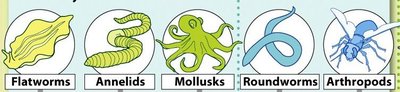
Acoelomate: No body cavity (e.g., flatworms)
Pseudocoelomate: Body cavity not fully lined by mesoderm (e.g., roundworms)
Coelomate: True coelom fully lined by mesoderm (e.g., annelids, mollusks, arthropods)
Protostome vs. Deuterostome Development
Developmental Differences
Animals are classified based on their embryonic development:
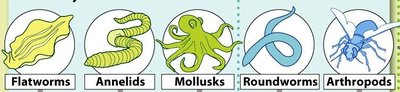
Protostomes: Mouth forms first from the blastopore; spiral and determinate cleavage; examples include mollusks and annelids.
Deuterostomes: Anus forms first from the blastopore; radial and indeterminate cleavage; examples include echinoderms and chordates.
Key developmental stages:
Cleavage (cell division)
Coelom formation
Fate of the blastopore
Porifera (Sponges)
General Characteristics
Porifera are multicellular but lack true tissues. They are sessile, have no mouth or anus, and possess unique anatomical features:
Aquiferous system: Canals for water flow, feeding, respiration, and excretion
Spicules: Skeletal elements for support and protection
Mesohyl: Gelatinous matrix between cell layers
Diversity and Habitat
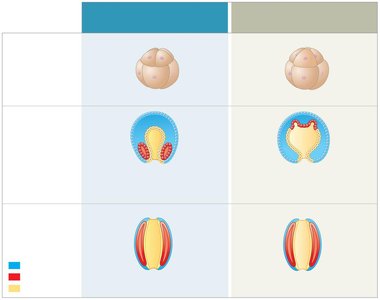
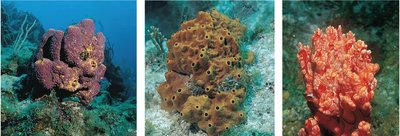
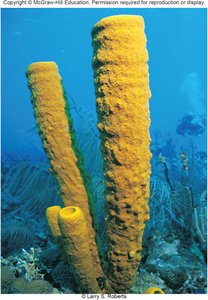
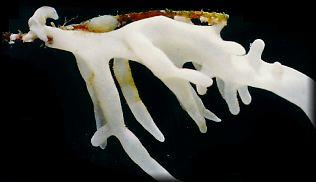
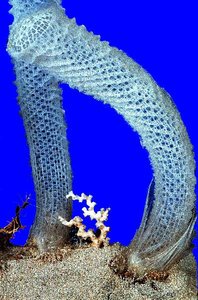
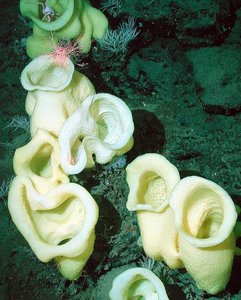
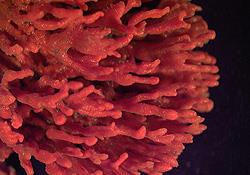
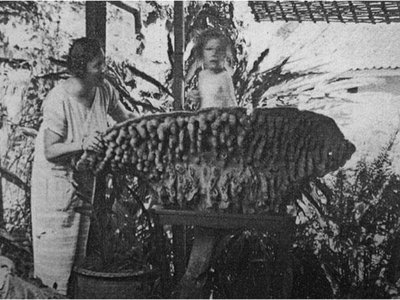
There are approximately 5,500 living species of sponges, most of which are marine, with some freshwater species.
Medicinal and Ecological Importance
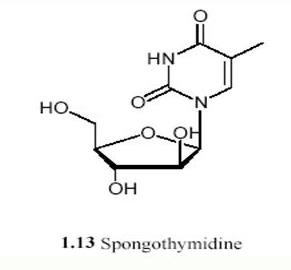
Sponges and their microbial symbionts produce compounds with medicinal properties, such as cribrostatin, which are anti-inflammatory, antibacterial, antifungal, anticancer, antiviral, and antimalarial. Sponges are also important for nutrient cycling on coral reefs and can form deep-sea reefs themselves.
Longevity and Reproduction
Sponges can live for thousands of years and reproduce both sexually (monoecious: both male and female sex cells in one individual) and asexually (budding and fragmentation).
Sponge Skeleton and Spicules
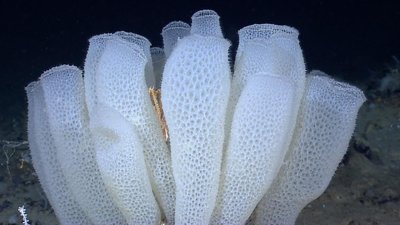
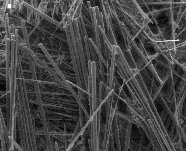
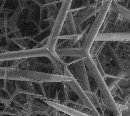
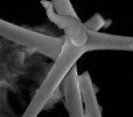
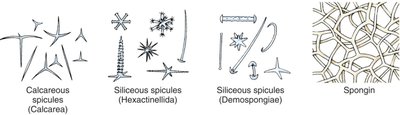
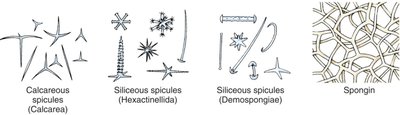
The skeleton of sponges is composed of collagen and spicules, which may be made of calcium carbonate (CaCO3), silica (Si), or spongin (collagen). Spicules provide structural support and deter predators.


Climate Reconstruction
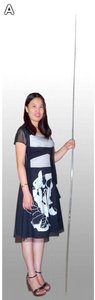
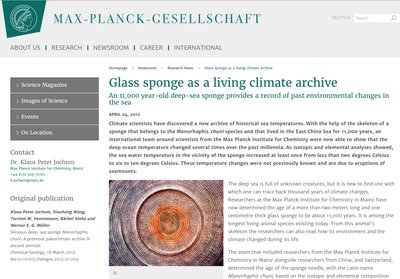
Some sponges, such as glass sponges, can be used for climate reconstruction due to their long lifespan and ability to record environmental changes.
Sponge Anatomy
Aquiferous System
The aquiferous system consists of:
Ostium (ostia): Incurrent openings for water entry
Osculum (oscula): Excurrent openings for water exit
Spongocoel: Central cavity
Mesohyl: Gelatinous wall between cell layers
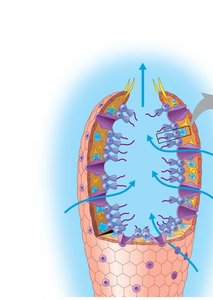
Choanocytes and Amoebocytes
Choanocytes, or "collar cells," circulate water and trap food particles. Amoebocytes play roles in digestion and structural support.
Body Forms and Ecological Roles
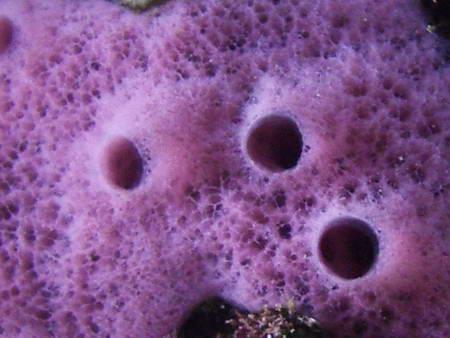
Sponges assume various body forms, such as encrusting, tube-like, and funnel shapes. Some sponges bore into rocks and shells, leaving characteristic holes.
Porifera Life Cycle
Reproduction and Development
Most sponges are hermaphrodites (monoecious), producing both sperm and eggs. Sequential hermaphroditism is common, with individuals functioning first as one sex and then the other. Cross-fertilization occurs when sperm released into the water current is drawn to a neighboring individual functioning as a female. The zygote develops into a flagellated larva, which disperses and settles into a substrate to become a sessile adult.
Animal Phylogeny and Evolution
Choanoflagellates and Animal Origins
The sister taxa of animals are choanoflagellates, which are solitary or colonial protists. Choanoflagellates are structurally similar to choanocytes (collar cells) in sponges, supporting the evolutionary relationship between these groups.
Porifera Diversity and Unique Adaptations
Carnivorous Sponges
Some sponges, such as Chondrocladia lyra, are carnivorous and prey upon small arthropods using hook-like structures.
Summary Table: Sponge Skeleton Types
The following table summarizes the main types of sponge skeletons and their composition:
Skeleton Type | Composition | Example |
|---|---|---|
Calcareous spicules | Calcium carbonate (CaCO3) | Class Calcarea |
Siliceous spicules | Silica (Si) | Class Hexactinellida, Demospongiae |
Spongin fibers | Collagen | Class Demospongiae |
Key Terms and Concepts
Monoecious: Having both male and female reproductive organs in one individual.
Spicules: Microscopic skeletal elements in sponges.
Ostium: Incurrent opening for water entry.
Osculum: Excurrent opening for water exit.
Spongocoel: Central cavity of a sponge.
Choanocyte: Collar cell responsible for water flow and food capture.
Amoebocyte: Cell involved in digestion and structural support.
Mesohyl: Gelatinous matrix within a sponge.
Coelom: Body cavity lined by mesoderm.
Protostome: Animal whose mouth develops from the blastopore.
Deuterostome: Animal whose anus develops from the blastopore.
Equations and Formulas
Spicule composition (example):
(calcium carbonate)
(silica)
Additional info: Academic context was added to clarify developmental stages, body cavity classification, and the ecological/medicinal importance of sponges.
