Indietro

AP Biology Final Exam Study Guide: Comprehensive Review Notes

Guida di studio - Impara con i video

Lezioni curate abbinate al materiale che hai caricato – impara ogni argomento passo dopo passo.

Scientific Method

  • Scientific Method Example 1
    01:35
  • Basic Theories of Biology
    03:03
  • Scientific Method
    06:29

Experimental Design

  • Variables
    07:36
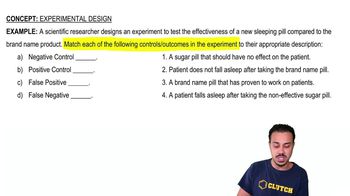
  • Experimental Design Example 1
    02:50
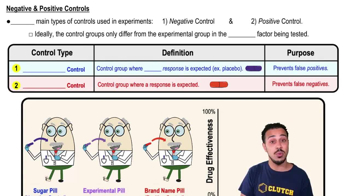
  • Negative & Positive Controls
    07:42

Introduction to Chemical Bonding

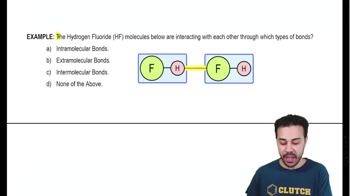
  • Introduction to Chemical Bonding Example 1
    1:59
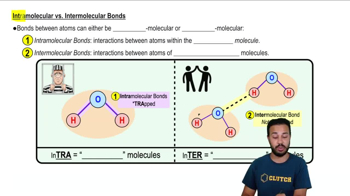
  • Intramolecular vs. Intermolecular Bonds
    03:53
  • Map of the Lesson on Chemical Bonding
    02:42

Functional Groups

  • Functional Groups Example 1
    02:00
  • Functional Groups
    06:04

Carbohydrates

  • Formation & Breakdown of Polysaccharides
    03:08
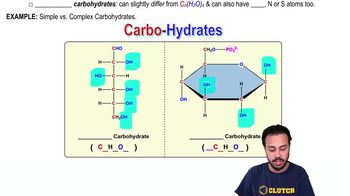
  • Carbohydrates
    04:53
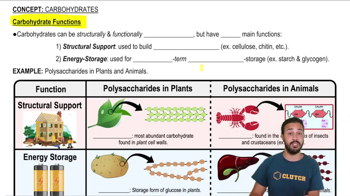
  • Carbohydrate Functions
    05:08

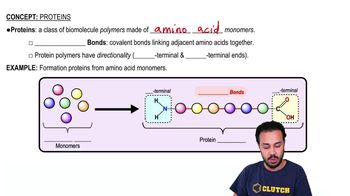
Proteins

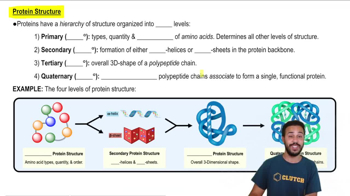
  • Protein Structure
    08:02
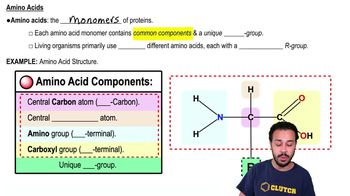
  • Amino Acids
    04:37
  • Proteins
    02:50

Lipids

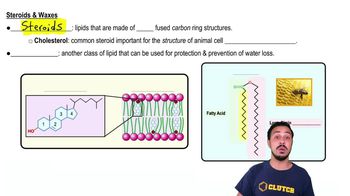
  • Steroids & Waxes
    03:30
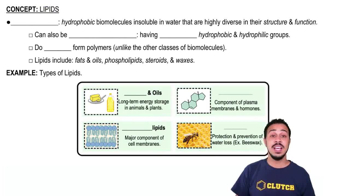
  • Lipids
    04:19
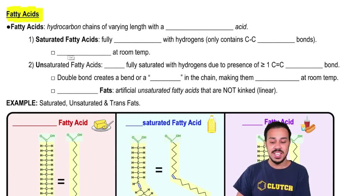
  • Fatty Acids
    06:59

Nucleic Acids

  • Nucleic Acids Example 2
    01:05
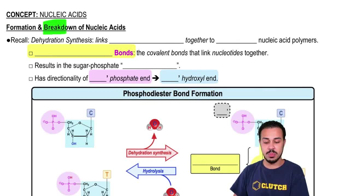
  • Formation & Breakdown of Nucleic Acids
    04:07
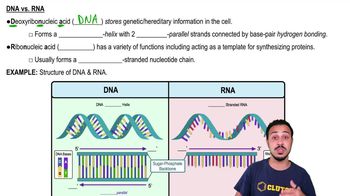
  • DNA vs. RNA
    05:57

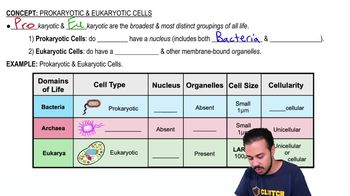
Prokaryotic & Eukaryotic Cells

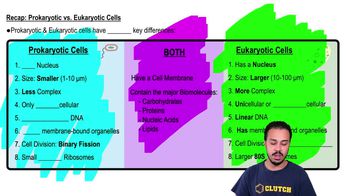
  • Recap: Prokaryotic vs. Eukaryotic Cells
    04:26
  • Prokaryotic & Eukaryotic Cells
    05:54
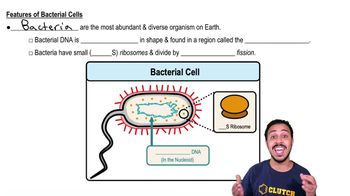
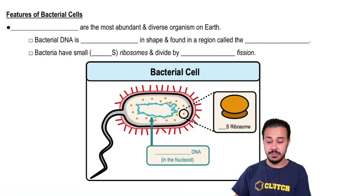
  • Features of Bacterial Cells
    03:54

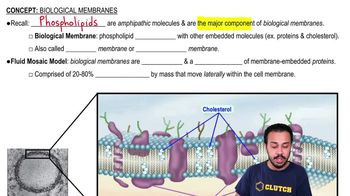
Biological Membranes

  • Biological Membranes Example 1
    02:21
  • Biological Membranes
    06:04

Concentration Gradients and Diffusion

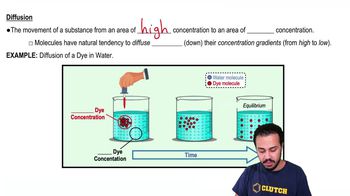
  • Diffusion
    02:44
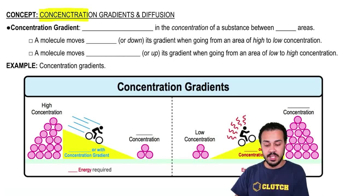
  • Concentration Gradients and Diffusion
    04:51

Introduction to Membrane Transport

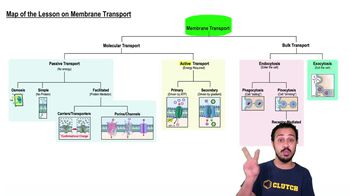
  • Map of the Lesson on Membrane Transport
    02:33
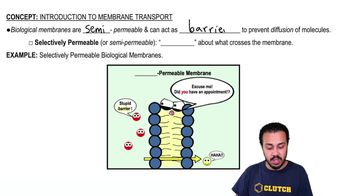
  • Introduction to Membrane Transport
    02:47
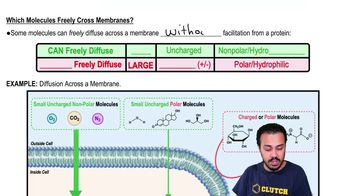
  • Which Molecules Freely Cross Membranes?
    07:10

Passive vs. Active Transport

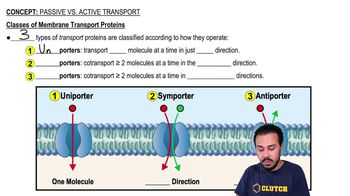
  • Classes of Membrane Transport Proteins
    03:28
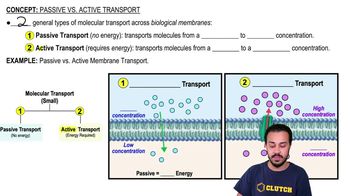
  • Passive vs. Active Transport
    04:18

Osmosis

  • Osmosis Example 1
    02:18
  • Osmosis
    05:59
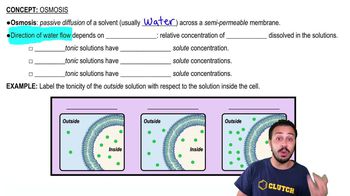
  • Direction of Osmosis
    06:48

Introduction to Energy

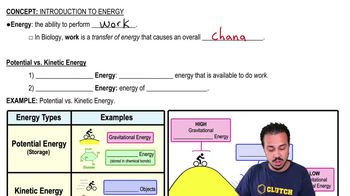
  • Introduction to Energy
    04:58

Chemical Reactions

  • Chemical Reactions
    01:56
  • Types of Chemical Reactions
    05:48

ATP

  • Energy Coupling
    04:57
  • ATP
    06:43
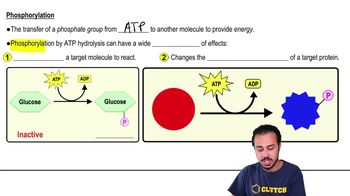
  • Phosphorylation
    03:

Enzymes

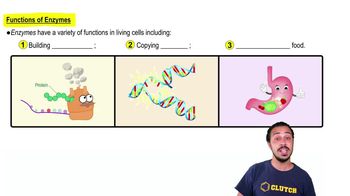
  • Functions of Enzymes
    02:32
  • Enzymes Example 1
    02:25
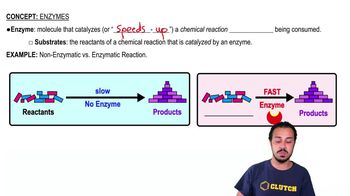
  • Enzymes
    02:55

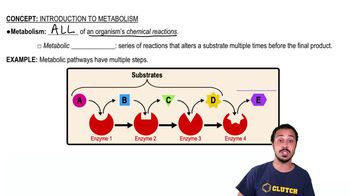
Introduction to Metabolism

  • Introduction to Metabolism
    02:17
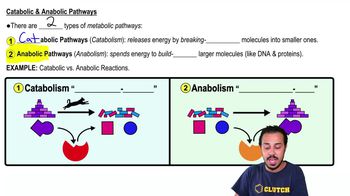
  • Catabolic & Anabolic Pathways
    03:25

Introduction to Aerobic Cellular Respiration

  • Introduction to Cellular Respiration Example 2
    01:53
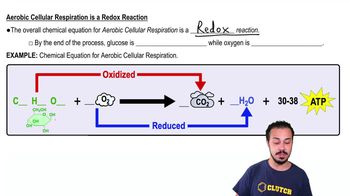
  • Aerobic Cellular Respiration is a Redox Reaction
    04:18
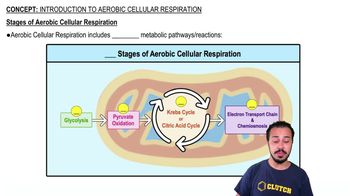
  • Stages of Aerobic Cellular Respiration
    02:31

Glycolysis

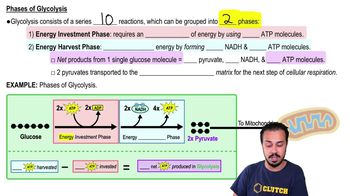
  • Phases of Glycolysis
    06:20
  • Glycolysis Example 1
    01:29
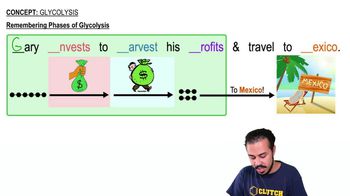
  • Remembering Phases of Glycolysis
    02:49

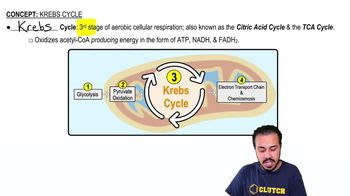
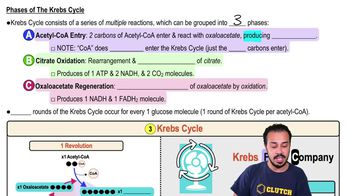
Krebs Cycle

  • Krebs Cycle Example 1
    01:20
  • Krebs Cycle
    01:36
  • Phases of The Krebs Cycle
    09:54

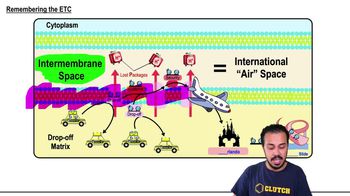
Electron Transport Chain

  • Remembering the ETC
    04:43
  • Electron Transport Chain
    07:41

Chemiosmosis

  • Chemiosmosis
    05:01

Introduction to Photosynthesis

  • Introduction to Photosynthesis
    03:32
  • Photosynthesis vs. Cellular Respiration
    07:55
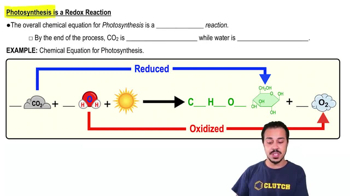
  • Photosynthesis is a Redox Reaction
    03:20

Pigments of Photosynthesis

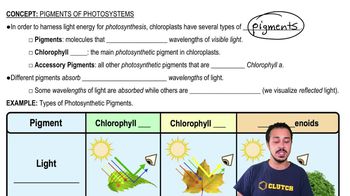
  • Pigments of Photosynthesis
    05:58
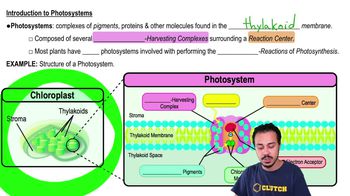
  • Introduction to Photosystems
    04:59
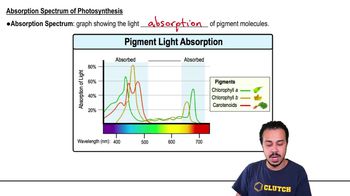
  • Absorption Spectrum of Photosynthesis
    02:52

Stages of Photosynthesis

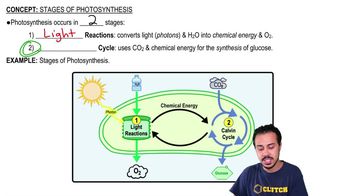
  • Stages of Photosynthesis
    03:16
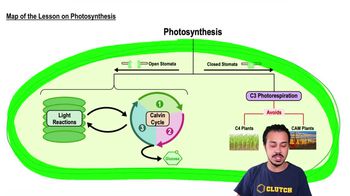
  • Map of the Lesson on Photosynthesis
    02:41

Light Reactions of Photosynthesis

  • Light Reactions of Photosynthesis Example 1
    01:48
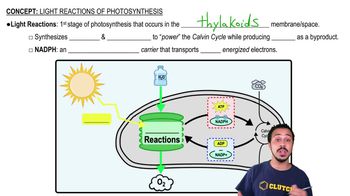
  • Light Reactions of Photosynthesis
    04:06
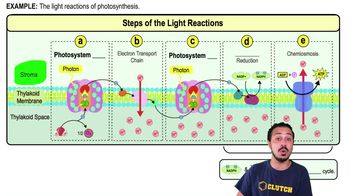
  • Steps of the Light Reactions
    15:15

Calvin Cycle

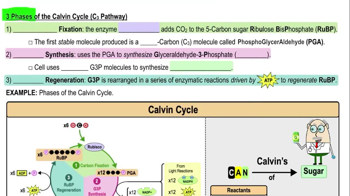
  • 3 Phases of the Calvin Cycle (C3 Pathway)
    10:58
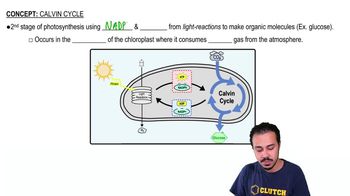
  • Calvin Cycle
    03:42

Introduction to Cell Signaling

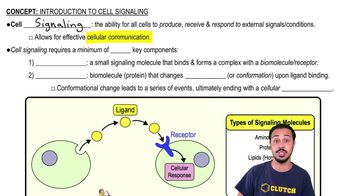
  • Introduction to Cell Signaling
    05:03
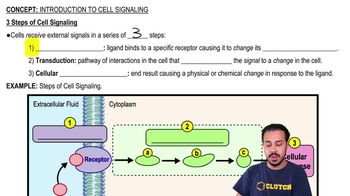
  • 3 Steps of Cell Signaling
    04:37

Introduction to the Cell Cycle

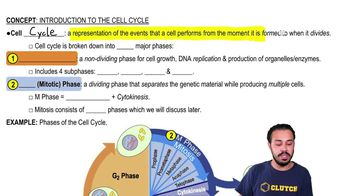
  • Introduction to the Cell Cycle
    04:46

Phases of Mitosis

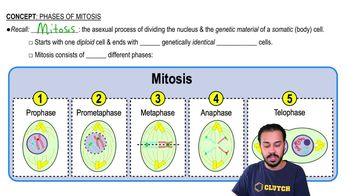
  • Phases of Mitosis
    03:21
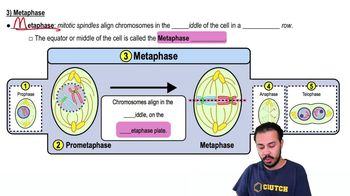
  • Metaphase
    01:58
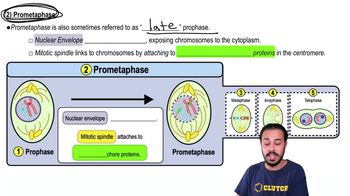
  • Prometaphase
    03:20

Cell Cycle Regulation

  • Cell Cycle Regulation
    03:31
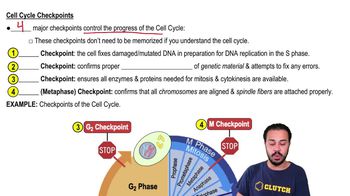
  • Cell Cycle Checkpoints
    06:32

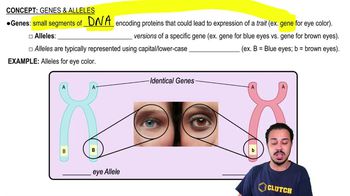
Genes & Alleles

  • Genes & Alleles Example 1
    02:09
  • Genes & Alleles
    05:02
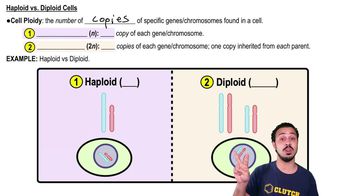
  • Haploid vs. Diploid Cells
    04:14

Introduction to Meiosis

  • Introduction to Meiosis Example 1
    01:43
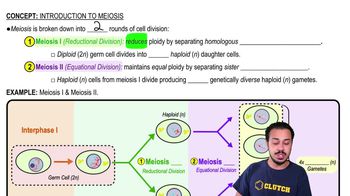
  • Meiosis I & Meiosis II
    04:49
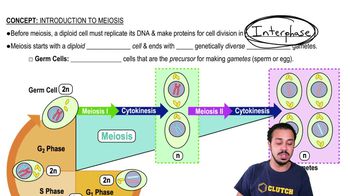
  • Introduction to Meiosis
    04:33

Mitosis & Meiosis Review

  • Mitosis & Meiosis Review Example 1
    01:27

Introduction to Mendel's Experiments

  • Why Pea Plants?
    01:58
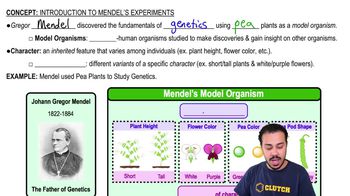
  • Introduction to Mendel's Experiments
    03:50

Genotype vs. Phenotype

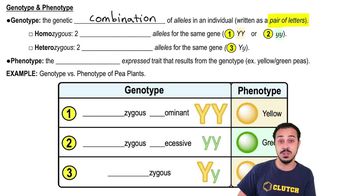
  • Genotype & Phenotype
    06:36
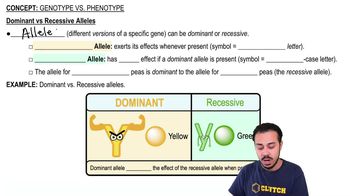
  • Dominant vs. Recessive Alleles
    03:39

Punnett Squares

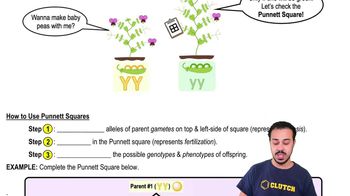
  • How to Use Punnett Squares
    07:05
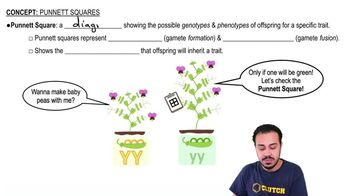
  • Punnett Squares
    01:37

Mendel's Laws

  • Mendel's Laws
    01:16
  • Law of Segregation
    03:24
  • Law of Independent Assortment
    06:44

Introduction to DNA Replication

  • Unwinding the DNA: Topoisomerase, Helicase & SSBs
    05:10
  • Components of DNA Replication
    04:47
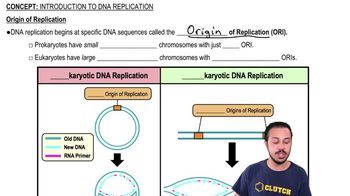
  • Origin of Replication
    03:33

Central Dogma

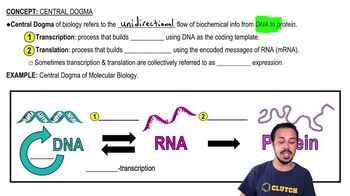
  • Central Dogma
    05:45

Introduction to Transcription

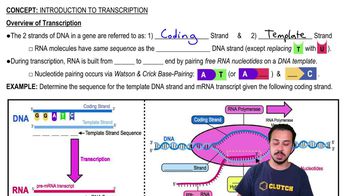
  • Overview of Transcription
    07:44
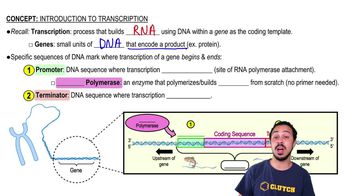
  • Introduction to Transcription
    05:51

Introduction to Translation

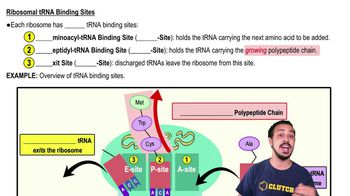
  • Ribosomal tRNA Binding Sites
    06:16
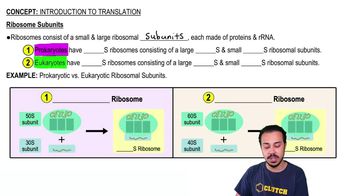
  • Ribosome Subunits
    08:42
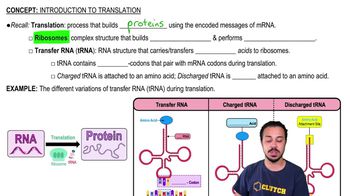
  • Introduction to Translation
    06:12

Mutations

  • Mutations
    02:29
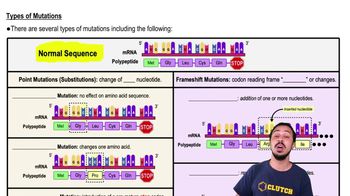
  • Types of Mutations
    08:44

Introduction to Regulation of Gene Expression

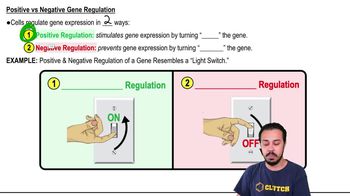
  • Positive vs Negative Gene Regulation
    02:17
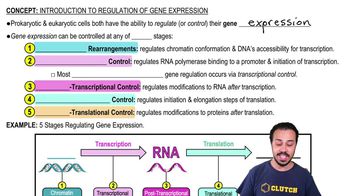
  • Introduction to Regulation of Gene Expression
    06:40

Viruses

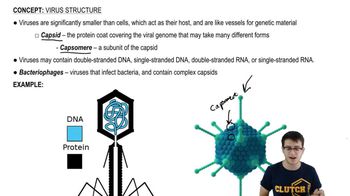
  • Virus Structure
    04:50
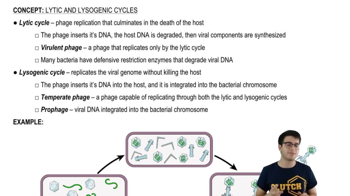
  • Lytic and Lysogenic Cycles
    08:04
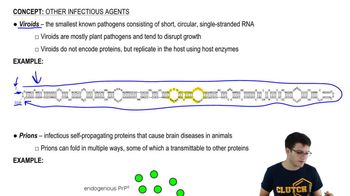
  • Viroids and Prions
    04:22

Introduction to DNA-Based Technology

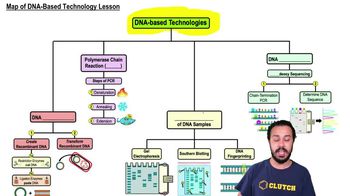
  • Map of DNA-Based Technology Lesson
    03:12
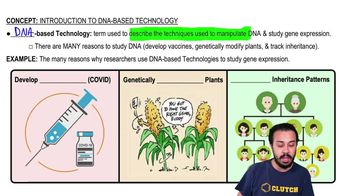
  • Introduction to DNA-Based Technology
    02:30

Introduction to Evolution and Natural Selection

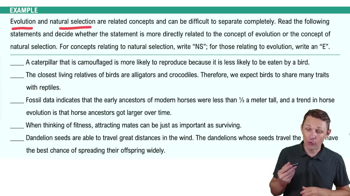
  • Introduction to Evolution and Natual Selection Example 1
    03:22
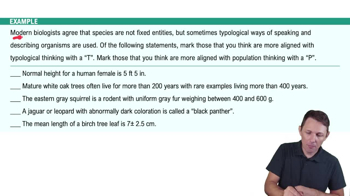
  • Introduction to Evolution and Natual Selection Example 2
    04:28
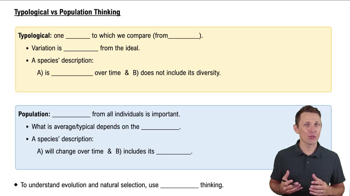
  • Typological vs. Population Thinking
    03:56

Natural Selection

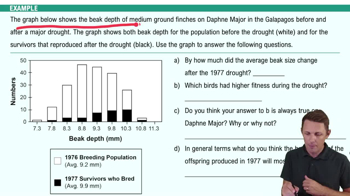
  • Natural Selection Example 2
    05:11
  • Natural Selection: Observations and Inferences
    04:12
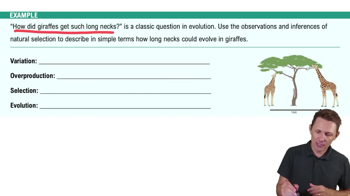
  • Natural Selection Example 1
    02:19

Evidence of Evolution

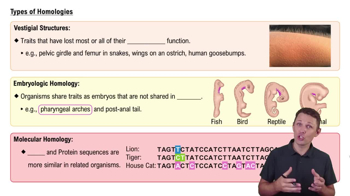
  • Types of Homologies
    04:46
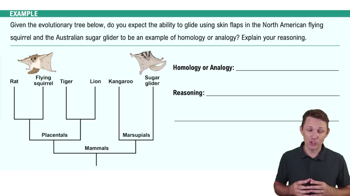
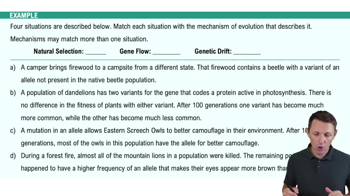
  • Evidence of Evolution Example 1
    02:27
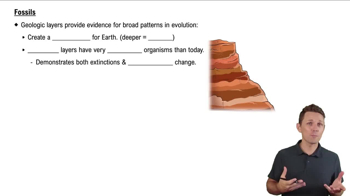
  • Fossils
    06:11

Evolution of Populations

  • Evolution of Populations Example 1
    03:33
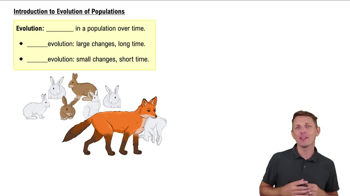
  • Introduction to Evolution of Populations
    05:14

Genetic Variation

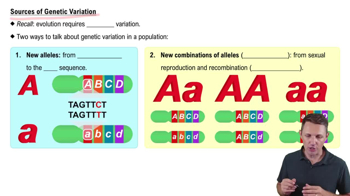
  • Sources of Genetic Variation
    02:16
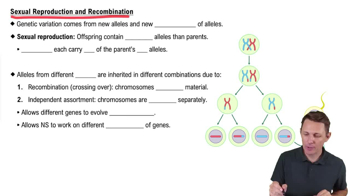
  • Sexual Reproduction and Recombination
    05:08
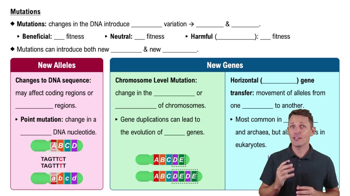
  • Mutations
    06:42

The Hardy-Weinberg Principle

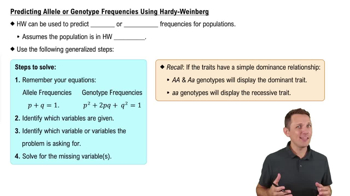
  • Predicting Allele or Genotype Frequencies Using Hardy-Weinberg
    03:31
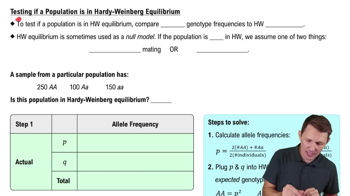
  • Testing if a Population is in Hardy-Weinberg Equilibrium
    08:26
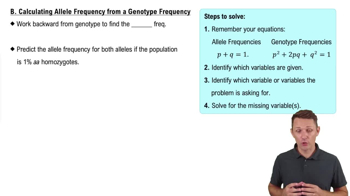
  • B. Calculating Allele Frequency from a Genotype Frequency
    03:20

Genetic Drift

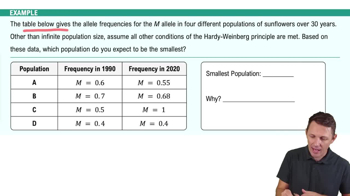
  • Genetic Drift Example 1
    02:00
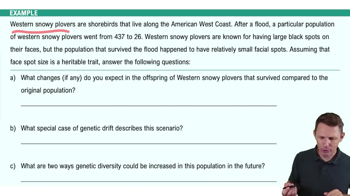
  • Genetic Drift Example 2
    02:37
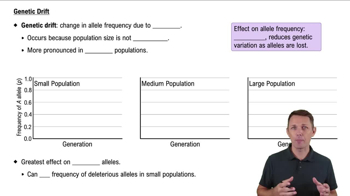
  • Genetic Drift
    05:06

Gene Flow

  • Gene Flow Example 1
    04:34
  • Gene Flow
    01:43

Introduction to Speciation

  • Introduction to Speciation
    03:03

The Biological Species Concept

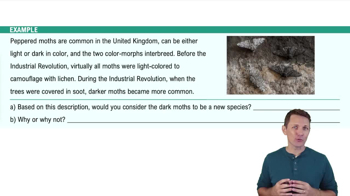
  • The Biological Species Concept Example 3
    02:15
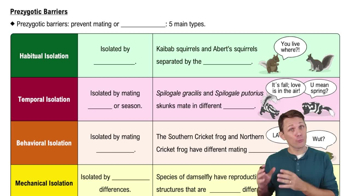
  • Prezygotic Barriers
    05:18
  • The Biological Species Concept Example 1
    01:27

Introduction to Prokaryotes

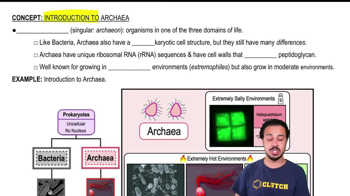
  • Introduction to Archaea
    04:39
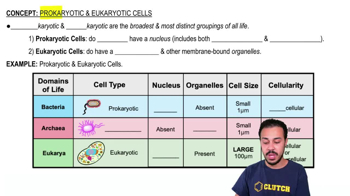
  • Prokaryotic & Eukaryotic Cells
    05:54
  • Features of Bacterial Cells
    03:54

Prokaryotic Cell Structure

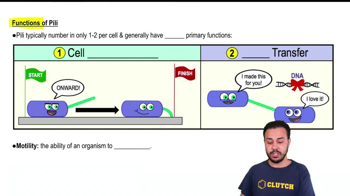
  • Functions of Pili
    01:46
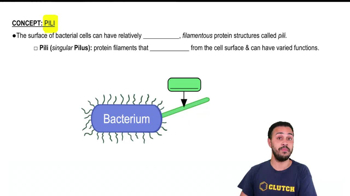
  • Pili
    01:02
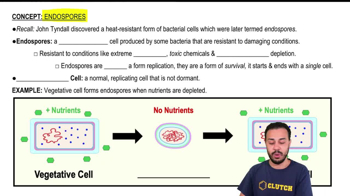
  • Endospores
    05:35
Prokaryotic Reproduction

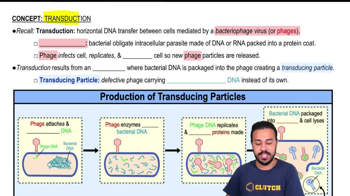
  • Transduction
    06:49
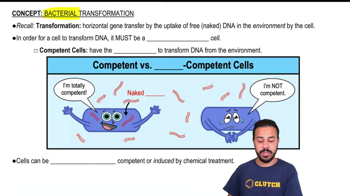
  • Bacterial Transformation
    03:06
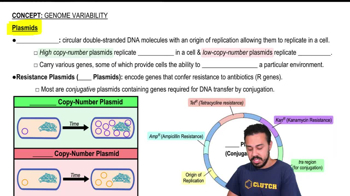
  • Plasmids
    04:44

Prokaryotic Metabolism

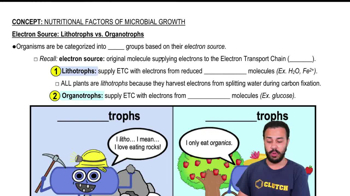
  • Electron Source: Lithotrophs vs. Organotrophs
    03:21
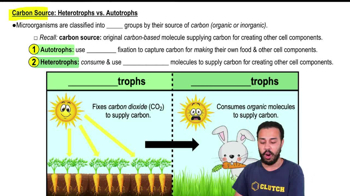
  • Carbon Source: Heterotrophs vs. Autotrophs
    02:59
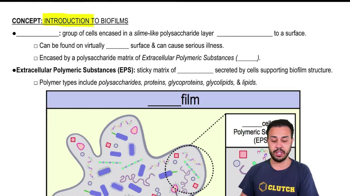
  • Introduction to Biofilms
    03:31

Introduction to Protists

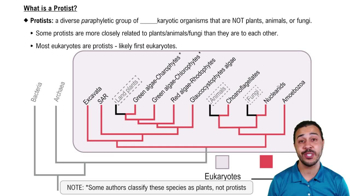
  • What is a Protist?
    03:23
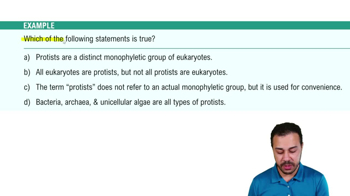
  • Introduction to Protists Example 1
    02:30
  • Introduction to Protists Example 2
    01:39

Land Plants

  • Land Plants - 4
    06:17
  • Land Plants - 2
    12:57
  • Land Plants - 3
    03:36

Seed Plants

  • Seed Plants - 1
    06:26
  • Seed Plants - 3
    05:26
  • Seed Plants - 4
    10:21

Overview of Animals

  • Overview of Animals - 2
    06:59
  • Overview of Animals - 5
    04:57
  • Overview of Animals - 3
    12:01

Animal Tissues

  • Muscle and Epithelial Tissues
    03:16
  • Tissues and Organs
    05:37
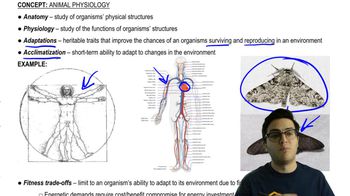
  • Animal Physiology and Fitness Trade-Offs
    10:26

Metabolism and Homeostasis

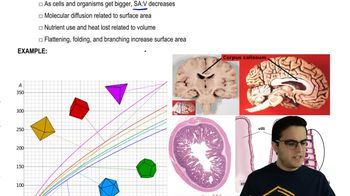
  • Surface Area to Volume Ratio
    07:47
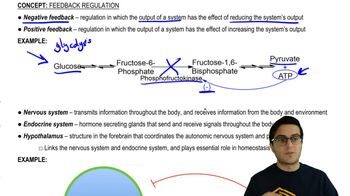
  • Feedback Regulation
    08:57
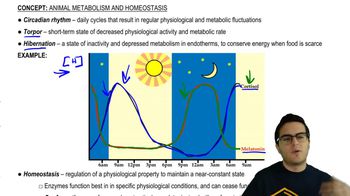
  • Homeostasis
    11:49

Digestion

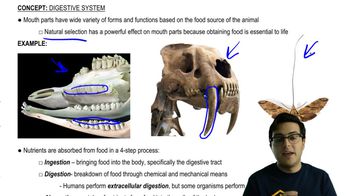
  • Digestion and Digestive Tracts
    05:11
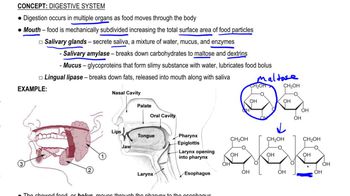
  • Mouth and Esophagus
    06:37
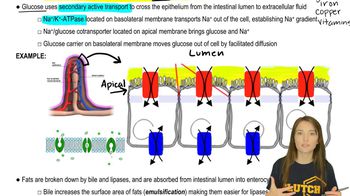
  • Nutrient Absorption
    19:59

Blood Sugar Homeostasis

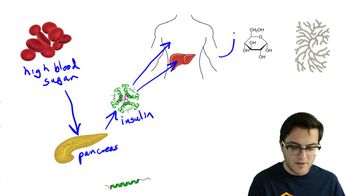
  • Blood Sugar Homeostasis
    07:01

Circulatory and Respiratory Anatomy

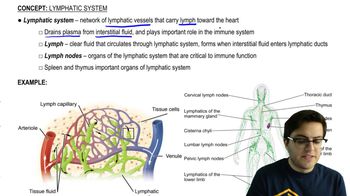
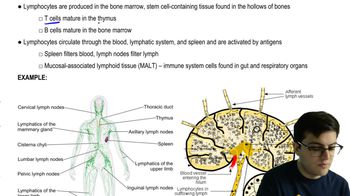
  • Lymphatic System
    02:15
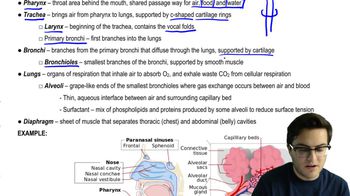
  • Lung Anatomy
    06:24
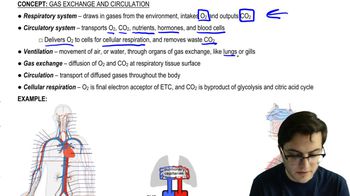
  • Gas Exchange and Circulation
    06:28

Heart Physiology

  • Cardiovascular Disease
    07:53
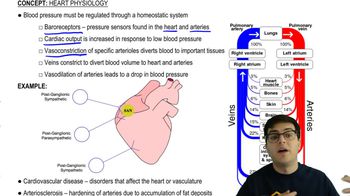
  • Heart Physiology
    05:13
  • Cardiac Cycle
    05:37

Gas Exchange

  • Diffusion of Gases
    07:48
  • Gas Exchange and Breathing
    05:55
  • Air Movement and Partial Pressure
    08:52

Immune System

  • Immune System
    09:33

Innate Immunity

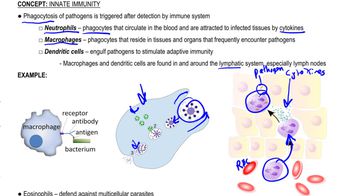
  • Innate Immune Response
    05:20
  • Inflammatory Response
    03:06
  • Innate Immune Cells
    06:47

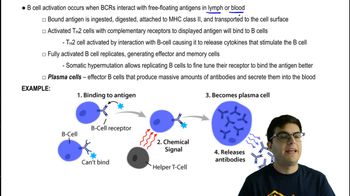
Adaptive Immunity

  • Helper T Cells and B Cells
    04:06
  • Lymphocytes
    04:23
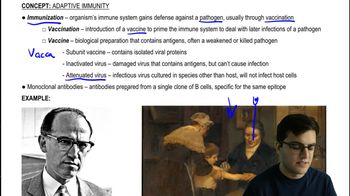
  • Immunization and Autoimmunity
    07:51

Osmoregulation and Excretion

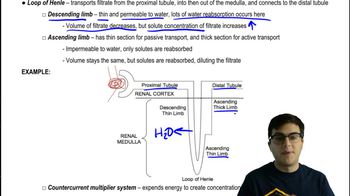
  • Loop of Henle
    06:25
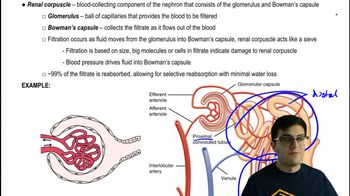
  • Glomerulus and Bowman's Capsule
    04:07
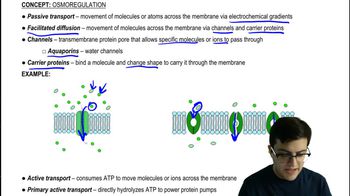
  • Active and Passive Transport
    06:32

Endocrine System

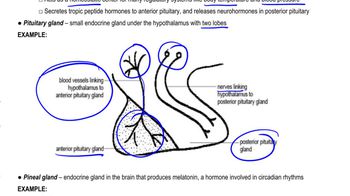
  • Hypothalamus and Pituitary
    03:34
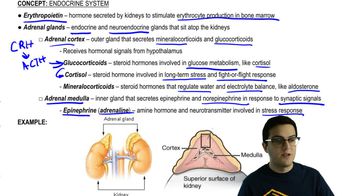
  • Adrenal Glands
    06:17
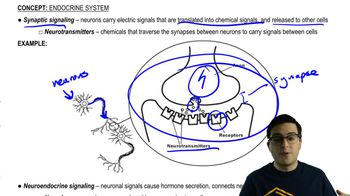
  • Neuroendocrine Signaling
    03:59

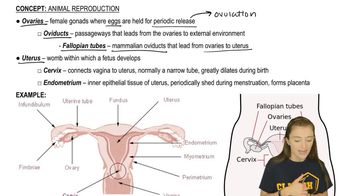
Animal Reproduction

  • Pregnancy and Birth
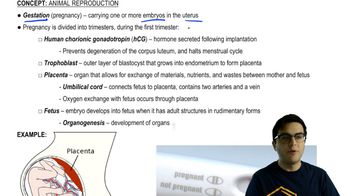
    04:09
  • Oogenesis
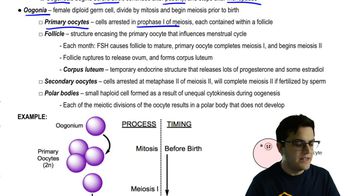
    04:28
  • Female Reproductive Anatomy
    07:19

Developmental Biology

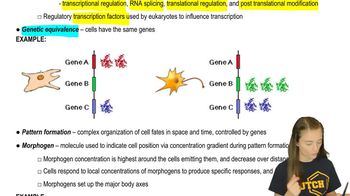
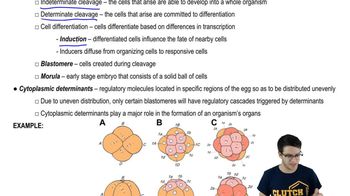
  • Differential Expression, Morphogens, and Pattern Formation
    12:48
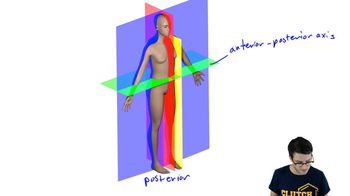
  • Body Axes
    03:45
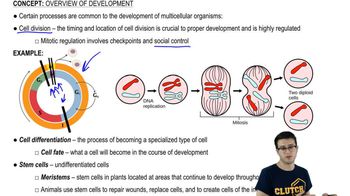
  • Cell Division and Differentiation
    05:28

Animal Development

  • Cleavage and Blastulation
    07:18
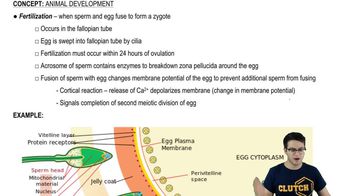
  • Fertilization
    01:59
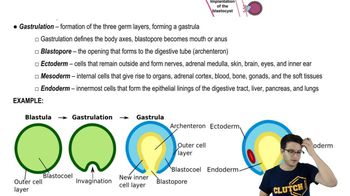
  • Implantation and Gastrulation
    04:22

Neurons and Action Potentials

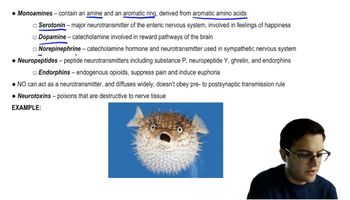
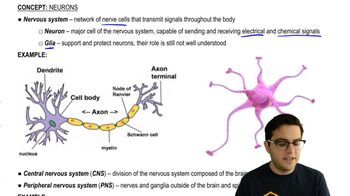
  • Neurotransmitters
    12:47
  • Nervous System
    02:14
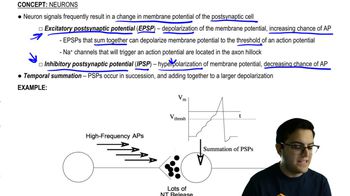
  • Postsynaptic Potentials and Summation
    05:33

Central and Peripheral Nervous System

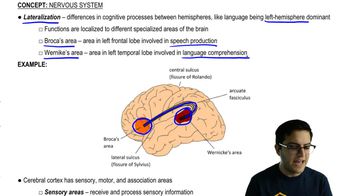
  • Motor, Sensory, and Association Areas
    03:59
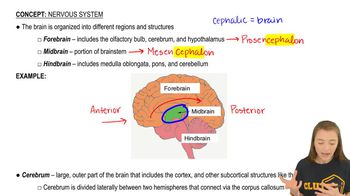
  • Cerebrum and Cerebral Cortex
    11:10
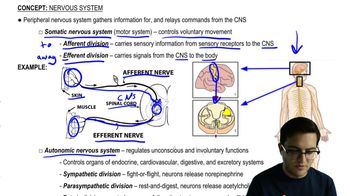
  • Peripheral Nervous System
    06:26

Sensory System

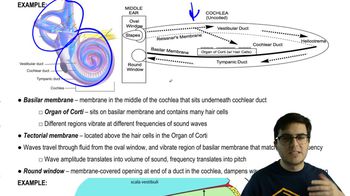
  • Inner Ear
    06:11
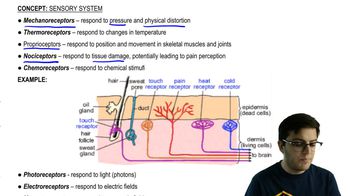
  • Sensory Receptors
    02:54
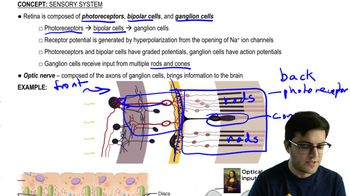
  • The Retina
    06:45

Musculoskeletal System

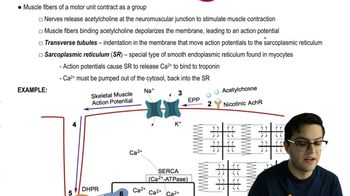
  • Motor Unit and Neuromuscular Junction
    03:14
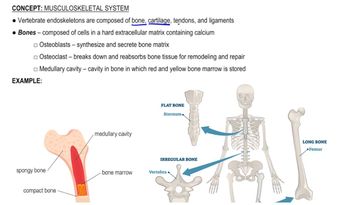
  • Endoskeleton
    01:42
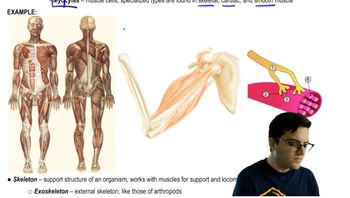
  • Muscle System and Skeleton
    02:08

Animal Behavior

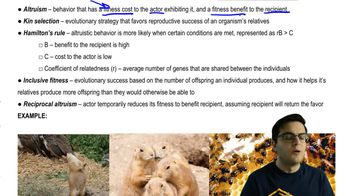
  • Migration and Altruism
    07:15
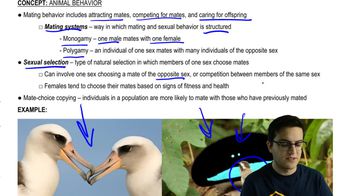
  • Mating and Parental Care
    03:59
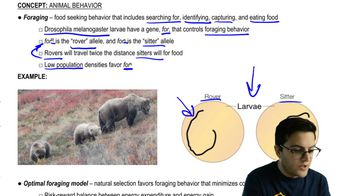
  • Foraging
    04:50