 Indietro
Bacteria and Archaea: Structure, Function, and Diversity
Guida di studio - Note intelligenti
 Appunti personalizzati basati sui tuoi materiali, ampliati con definizioni chiave, esempi e contesto.
Bacteria and Archaea
Structural and Functional Adaptations of Prokaryotes
Prokaryotes, which include bacteria and archaea, are highly successful organisms due to their diverse structural and functional adaptations. Their cellular morphology and surface structures contribute to their ability to thrive in a wide range of environments.
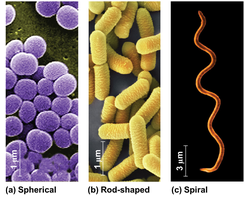
Cell Shapes: Prokaryotic cells exhibit three main shapes: spherical (cocci), rod-shaped (bacilli), and spiral (spirilla).
Adaptations: These shapes are linked to their ecological roles and motility.
Example: Spherical Staphylococcus, rod-shaped Escherichia coli, spiral Treponema pallidum.
Cell-Surface Structures
The cell surface of prokaryotes is specialized for protection, interaction, and survival.
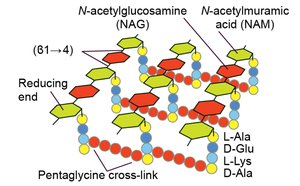
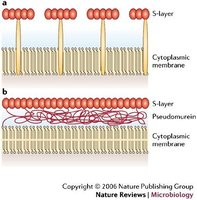
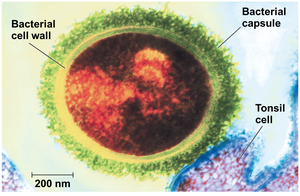
Cell Wall: Most bacterial cell walls contain peptidoglycan, a polymer of sugars and amino acids. Archaeal cell walls are composed of various polysaccharides and proteins, sometimes including pseudopeptidoglycan.
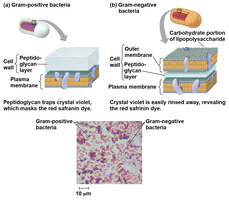
Gram Stain: The Gram stain differentiates bacteria based on cell wall composition: Gram-positive bacteria have thick peptidoglycan layers, while Gram-negative bacteria have a thin peptidoglycan layer and an outer membrane.
Capsule: Many bacteria have a polysaccharide or protein capsule outside the cell wall, aiding in protection and adherence.
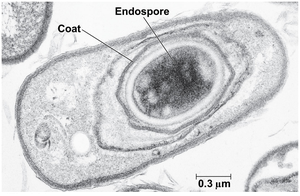
Endospores: Some bacteria form resistant endospores to survive harsh conditions.
Motility
Many prokaryotes are motile, using flagella or other mechanisms to move toward or away from stimuli (taxis).
Taxis: Movement in response to environmental signals, such as chemotaxis (chemical), phototaxis (light), or magnetotaxis (magnetic fields).
Internal Organization and DNA
Prokaryotes lack membrane-bound organelles but may have specialized internal membranes for metabolic functions. Their genetic material is organized differently from eukaryotes.
Chromosome: Most prokaryotes have a single, circular chromosome located in the nucleoid region.
Plasmids: Small, circular DNA molecules that replicate independently and often carry beneficial genes, such as antibiotic resistance.
Reproduction and Genetic Diversity
Prokaryotes reproduce rapidly by binary fission, leading to high population growth rates. Genetic diversity arises from mutations and genetic recombination.
Binary Fission: Simple cell division; under optimal conditions, division can occur every 1–3 hours.
Mutation: Rapid reproduction increases the chance of mutations, contributing to genetic diversity.
Genetic Recombination: DNA from different sources can be combined via transformation, transduction, and conjugation.
Genetic Recombination Mechanisms
Transformation: Uptake of DNA from the environment.
Transduction: Transfer of genes by bacteriophages (viruses that infect bacteria).
Conjugation: Direct transfer of DNA between cells via a pilus; often involves plasmids such as the F plasmid.
R Plasmids: Carry genes for antibiotic resistance, facilitating the spread of resistance among bacteria.
Diverse Nutritional and Metabolic Adaptations
Prokaryotes display a wide range of nutritional strategies, classified by their energy and carbon sources.
Photoautotrophs: Use light energy and CO2 as a carbon source (e.g., cyanobacteria).
Chemoautotrophs: Use inorganic chemicals for energy and CO2 for carbon.
Photoheterotrophs: Use light for energy and organic compounds for carbon.
Chemoheterotrophs: Use organic compounds for both energy and carbon.
The Role of Oxygen in Metabolism
Prokaryotes vary in their oxygen requirements.
Obligate Aerobes: Require oxygen for cellular respiration.
Obligate Anaerobes: Cannot tolerate oxygen; use fermentation or anaerobic respiration.
Facultative Anaerobes: Can use oxygen if available but can also grow without it.
Nitrogen Metabolism
Prokaryotes play a crucial role in nitrogen cycling, including nitrogen fixation.
Nitrogen Fixation: Conversion of atmospheric nitrogen (N2) to ammonia (NH3), making nitrogen available to other organisms.
Metabolic Cooperation
Some prokaryotes cooperate metabolically, forming specialized cells or biofilms.
Anabaena: Cyanobacterium with heterocysts for nitrogen fixation and photosynthetic cells.
Biofilms: Communities of prokaryotes that secrete signaling molecules and adhere to surfaces.
Prokaryotic Diversity
Prokaryotes are classified into several major groups, with bacteria and archaea representing distinct domains.
Bacteria: Includes Proteobacteria, Chlamydias, Spirochetes, Cyanobacteria, and Gram-positive bacteria.
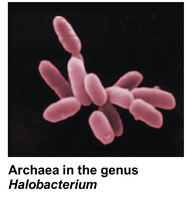
Archaea: Includes extremophiles such as halophiles and thermophiles.

Prokaryotes in the Biosphere
Prokaryotes are essential for chemical recycling and ecological interactions.
Chemical Recycling: Decompose organic matter, recycle nutrients, and facilitate uptake of minerals by plants.
Ecological Interactions: Form symbiotic relationships with other organisms, including mutualistic and pathogenic associations.
Human Impact: Some prokaryotes cause disease (pathogens), while others benefit humans (mutualists).
Summary Table: Prokaryotic Cell Wall Types
Type | Main Component | Gram Stain Result | Example |
|---|---|---|---|
Gram-positive bacteria | Thick peptidoglycan | Purple | Staphylococcus |
Gram-negative bacteria | Thin peptidoglycan + outer membrane | Pink | Escherichia coli |
Archaea | Polysaccharides/proteins, sometimes pseudopeptidoglycan | Variable | Halobacterium |
Summary Table: Prokaryotic Nutritional Types
Type | Energy Source | Carbon Source | Example |
|---|---|---|---|
Photoautotroph | Light | CO2 | Cyanobacteria |
Chemoautotroph | Inorganic chemicals | CO2 | Some archaea |
Photoheterotroph | Light | Organic compounds | Some bacteria |
Chemoheterotroph | Organic compounds | Organic compounds | Most bacteria |
Additional info: The notes expand on brief points by providing definitions, examples, and summary tables for cell wall types and nutritional strategies, ensuring completeness and academic quality.
