 Indietro
Bacteria and Archaea: Structure, Function, and Diversity
Guida di studio - Note intelligenti
 Appunti personalizzati basati sui tuoi materiali, ampliati con definizioni chiave, esempi e contesto.
Prokaryotic Diversity: Bacteria and Archaea
Introduction
Prokaryotes, which include Bacteria and Archaea, are among the most ancient and diverse forms of life on Earth. Their structural and functional adaptations have enabled them to thrive in a wide range of environments, from extreme habitats to the human body.
Structural and Functional Adaptations of Prokaryotes
Prokaryotic Cell Shapes
Prokaryotic cells exhibit a variety of shapes, which are important for classification and ecological function.
Cocci: Spherical-shaped cells
Bacilli: Rod-shaped cells
Spirilla: Spiral-shaped cells
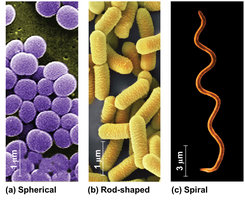
Example: Staphylococcus (cocci), Escherichia coli (bacilli), Treponema pallidum (spirilla)
Cell-Surface Structures
The cell surface of prokaryotes is highly specialized and contributes to their survival and adaptability.
Cell Wall Composition
Most bacterial cell walls contain peptidoglycan, a polymer of sugars and amino acids that provides structural support.
Archaeal cell walls lack peptidoglycan and instead contain a variety of polysaccharides and proteins.
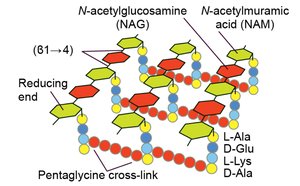
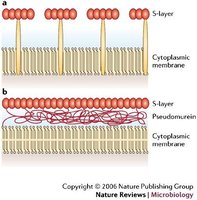
Gram Stain and Cell Wall Classification
Scientists use the Gram stain to classify bacteria based on differences in cell wall composition:
Gram-positive bacteria: Thick peptidoglycan layer; retain crystal violet dye and appear purple.
Gram-negative bacteria: Thin peptidoglycan layer and an outer membrane; do not retain crystal violet and appear pink/red after counterstaining.
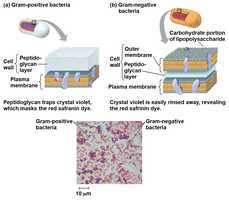
Capsule
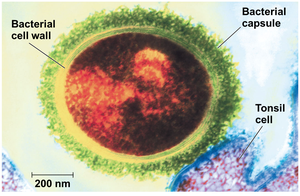
Many prokaryotes secrete a sticky capsule outside the cell wall, which aids in adherence to surfaces and evasion of the host immune system.
Endospores
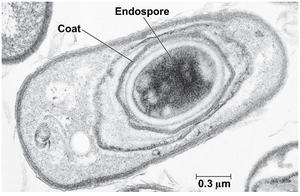
Some bacteria can form endospores, which are resistant, dormant structures that allow survival in harsh conditions.
Archaea: Adaptations to Extreme Environments
Halophilic Archaea
Some archaea, such as those in the genus Halobacterium, thrive in extremely salty environments, such as salt lakes. Their unique adaptations allow them to survive where most other organisms cannot.
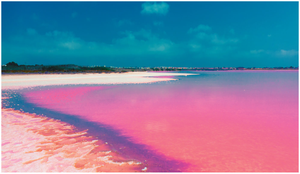
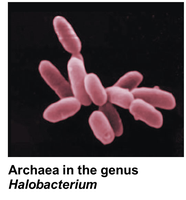
Example: The pink coloration of some salt lakes is due to the presence of halophilic archaea.
Summary Table: Key Prokaryotic Cell Structures
Structure | Function | Present in |
|---|---|---|
Cell Wall (Peptidoglycan) | Structural support, shape, protection | Bacteria |
Cell Wall (Polysaccharides/Proteins) | Structural support, shape, protection | Archaea |
Capsule | Adherence, protection from immune system | Some bacteria and archaea |
Endospore | Dormant, resistant cell for survival | Some bacteria |
Additional info:
Prokaryotes also possess structures such as fimbriae, pili, and flagella for attachment and motility (not shown in the selected images).
Genetic diversity in prokaryotes is enhanced by mechanisms such as transformation, transduction, and conjugation.
