 Indietro
Bacteria and Archaea: Structure, Function, and Diversity
Guida di studio - Note intelligenti
 Appunti personalizzati basati sui tuoi materiali, ampliati con definizioni chiave, esempi e contesto.
Chapter 27: Bacteria and Archaea
Introduction to Prokaryotes
Prokaryotes, classified in the domains Bacteria and Archaea, are single-celled organisms that thrive in a wide range of environments, including extreme habitats. They are the most abundant organisms on Earth and were the first forms of life to inhabit the planet.
Prokaryotes are typically 0.5–5 µm in size, much smaller than most eukaryotic cells.
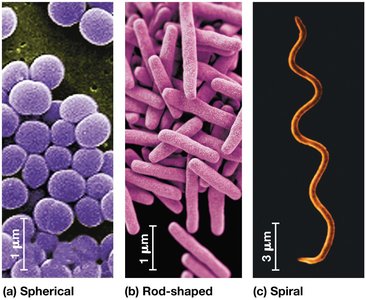
They exhibit diverse shapes: cocci (spherical), bacilli (rod-shaped), and spirilla (spiral).
Some prokaryotes form colonies, while most are unicellular.
Structural and Functional Adaptations
Cell-Surface Structures
The cell wall is a critical feature of prokaryotic cells, maintaining shape, protecting the cell, and preventing lysis in hypotonic environments. Cell wall composition varies between domains and is used for classification.
Bacterial cell walls contain peptidoglycan, a polymer of sugars and amino acids.
Archaeal cell walls lack peptidoglycan and instead contain various polysaccharides and proteins.
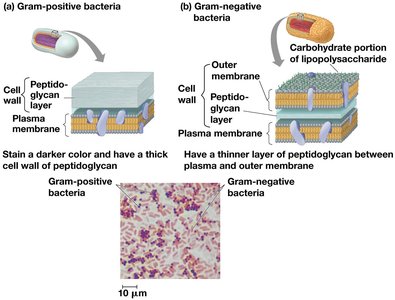
Gram stain differentiates bacteria by cell wall structure:
Gram-positive bacteria: Thick peptidoglycan layer, stain purple, more susceptible to antibiotics targeting cell wall synthesis.
Gram-negative bacteria: Thin peptidoglycan layer, outer membrane with lipopolysaccharides, stain pink, more resistant to antibiotics.
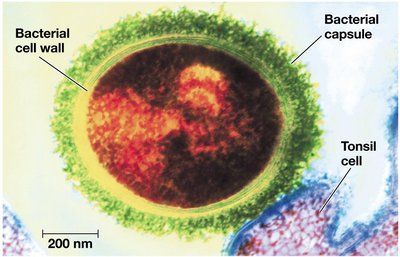
Many prokaryotes have a capsule (dense, well-defined) or slime layer (less organized) outside the cell wall, aiding in adherence, protection, and prevention of dehydration.
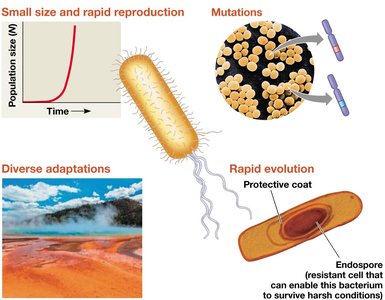
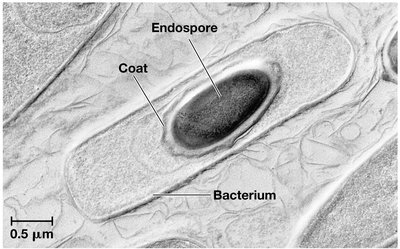
Some bacteria form endospores, dormant structures that can survive extreme conditions for centuries.
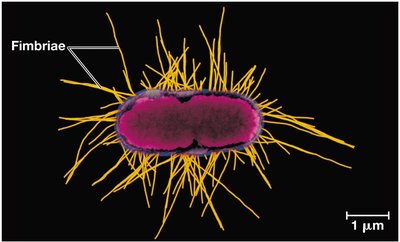
Fimbriae are hairlike appendages that allow cells to adhere to surfaces or each other.
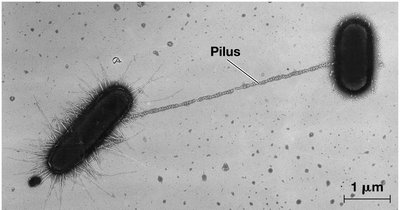
Pili (sex pili) are longer and facilitate DNA exchange between cells.
Motility
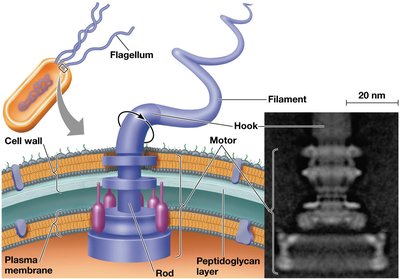
About half of all prokaryotes are capable of taxis—directed movement toward or away from stimuli. Flagella are the most common structures for movement, differing in structure and function from eukaryotic flagella.
Chemotaxis: Movement in response to chemical stimuli.
Prokaryotic flagella are composed of a motor, hook, and filament, and evolved through exaptation from ancestral secretory systems.
Internal Organization and DNA
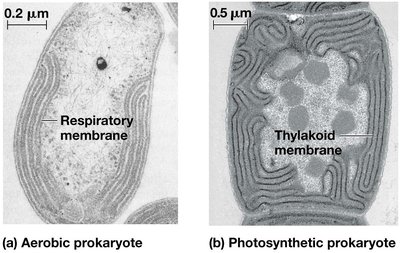
Prokaryotic cells lack membrane-bound organelles but may have specialized infoldings of the plasma membrane for metabolic functions.
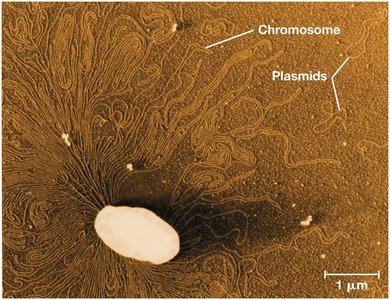
DNA is typically a single circular chromosome located in the nucleoid region (not membrane-bound).
Additional small rings of DNA, called plasmids, carry accessory genes.
Differences in DNA replication, transcription, and translation between prokaryotes and eukaryotes allow antibiotics to target bacteria specifically.
Reproduction
Prokaryotes reproduce rapidly by binary fission, leading to large populations and short generation times. This rapid reproduction, combined with mutation and genetic recombination, promotes high genetic diversity.
Binary fission can occur every 1–3 hours under optimal conditions.
Mutations, though rare per division, accumulate quickly due to large population sizes.
Genetic Diversity in Prokaryotes
Genetic Recombination
Genetic diversity is further increased by recombination, which involves the exchange of DNA between different cells or species.
Transformation: Uptake of foreign DNA from the environment.
Transduction: Transfer of DNA by bacteriophages (viruses that infect bacteria).
Conjugation: Direct transfer of DNA between two cells via a pilus (mating bridge). The F factor (fertility factor) is required for pilus formation and DNA transfer.
Horizontal gene transfer: Movement of genes between different species, contributing to rapid adaptation and evolution.
R plasmids: Plasmids carrying antibiotic resistance genes, facilitating the spread of resistance among bacteria.
Nutritional and Metabolic Diversity
Major Modes of Nutrition
Prokaryotes are classified by how they obtain energy and carbon:
Phototrophs: Obtain energy from light.
Chemotrophs: Obtain energy from chemicals.
Autotrophs: Use CO2 or related compounds as a carbon source.
Heterotrophs: Require organic nutrients for carbon.
Combining these categories yields four major nutritional types: photoautotroph, chemoautotroph, photoheterotroph, and chemoheterotroph.
Oxygen and Nitrogen Metabolism
Obligate aerobes: Require O2 for cellular respiration.
Obligate anaerobes: Poisoned by O2; use fermentation or anaerobic respiration.
Facultative anaerobes: Can use O2 if present or switch to anaerobic metabolism if not.
Nitrogen fixation: Conversion of atmospheric N2 to ammonia (NH3), making nitrogen available for biosynthesis.
Metabolic Cooperation
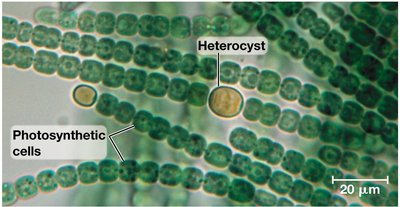
Some prokaryotes cooperate metabolically, forming structures such as biofilms or specialized cells for nitrogen fixation.
In Anabaena, heterocysts fix nitrogen while other cells perform photosynthesis.
Biofilms are surface-coating colonies that facilitate resource sharing and protection but can cause medical and industrial problems.
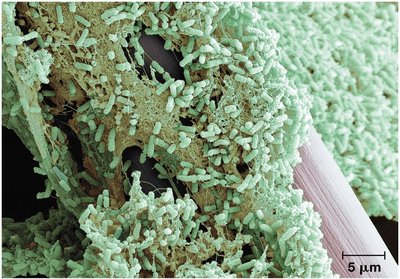
Diversity and Evolution of Prokaryotes
Phylogeny and Classification
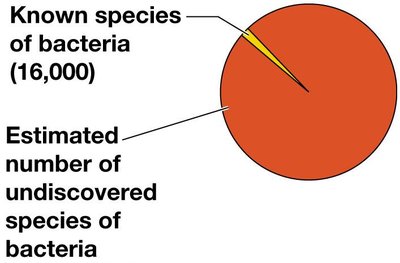
Genetic analysis has divided prokaryotes into two domains: Bacteria and Archaea. Advances in genomics, such as metagenomics, have revealed immense diversity, with many species yet to be discovered.
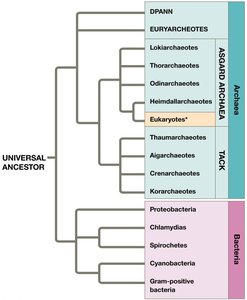
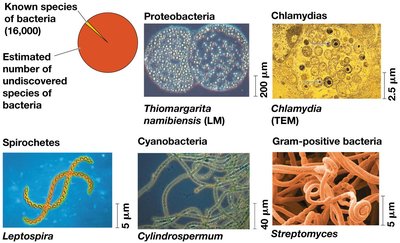
Major Groups of Bacteria
Proteobacteria: Gram-negative, diverse metabolism, includes pathogens (e.g., Neisseria gonorrhoeae, Vibrio cholerae).
Chlamydias: Animal cell parasites, gram-negative, lack peptidoglycan (e.g., Chlamydia trachomatis).
Spirochetes: Helical, gram-negative, some are pathogens (e.g., Treponema pallidum causes syphilis).
Cyanobacteria: Gram-negative photoautotrophs, ancestors of chloroplasts, important in aquatic ecosystems.
Gram-positive bacteria: Diverse, includes soil decomposers (Streptomyces), and pathogens (Staphylococcus aureus).
Archaea
Archaea share features with both bacteria and eukaryotes but also have unique characteristics. Many are extremophiles:
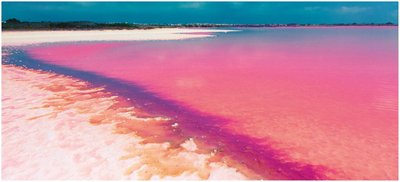
Extreme halophiles: Thrive in highly saline environments.
Extreme thermophiles: Thrive at high temperatures.
Methanogens: Produce methane, obligate anaerobes found in diverse habitats.
Characteristic | Bacteria | Archaea | Eukarya |
|---|---|---|---|
Nuclear envelope | Absent | Absent | Present |
Membrane-enclosed organelles | Absent | Absent | Present |
Peptidoglycan in cell wall | Present | Absent | Absent |
Membrane lipids | Unbranched hydrocarbons | Some branched hydrocarbons | Unbranched hydrocarbons |
RNA polymerase | One kind | Several kinds | Several kinds |
Initiator amino acid for protein synthesis | Formyl-methionine | Methionine | Methionine |
Prokaryotes in the Biosphere
Chemical Recycling
Prokaryotes are essential for recycling elements between living and nonliving components of ecosystems. They decompose organic matter, fix nitrogen, and make nutrients available to other organisms.
Ecological Interactions
Symbiosis: Close association between two species; can be mutualistic, commensal, or parasitic.
Some ecosystems, such as hydrothermal vents, depend on prokaryotic chemoautotrophs for energy flow.
Prokaryotes and Humans
Beneficial Interactions
Mutualistic bacteria in the human gut aid digestion and synthesize vitamins.
Prokaryotes are used in food production (e.g., cheese, yogurt, fermented foods) and biotechnology (e.g., bioremediation, industrial processes).
Pathogenic Bacteria and Antibiotic Resistance
Pathogenic bacteria cause diseases such as tuberculosis, cholera, and Lyme disease.
They may produce exotoxins (secreted proteins) or endotoxins (components of the outer membrane of gram-negative bacteria).
Antibiotic resistance is a growing problem due to rapid reproduction and horizontal gene transfer.
New antibiotics and alternative therapies are being developed to combat resistant strains.
Applications in Research and Technology
Bacteria are engineered for the production of biofuels, pharmaceuticals, and for environmental cleanup (bioremediation).
