 Indietro
Biochemistry: Molecules of Cells and Macromolecules
Guida di studio - Note intelligenti
 Appunti personalizzati basati sui tuoi materiali, ampliati con definizioni chiave, esempi e contesto.
Molecules of Cells: Chemistry of Life
Organic Chemistry and Carbon
Organic chemistry is the branch of chemistry devoted to the study of carbon and the bonds it forms. Carbon is fundamental to life due to its unique bonding properties, which allow it to form a vast array of stable compounds.
Organic Compound: Contains carbon covalently bonded to other atoms.
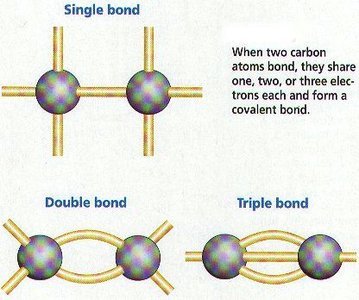
Valence Electrons: Carbon has four valence electrons, enabling it to form four different bonds.
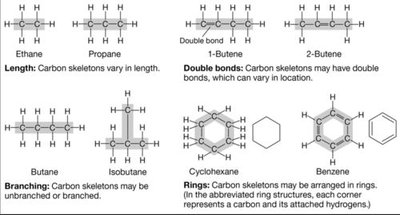
Bonding: Carbon can bond with itself via single, double, or triple bonds, creating diverse molecular shapes.
Structural Diversity: The ability to form various shapes and bonds allows carbon to create millions of different, strong combinations.
Carbon Macromolecules
Monomers, Polymers, and Macromolecules
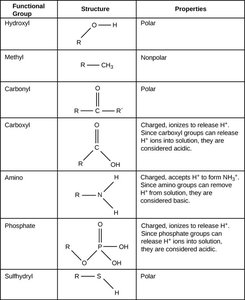
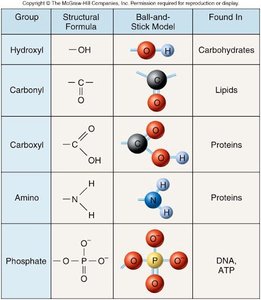
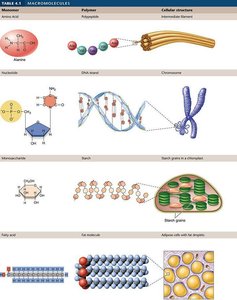
Macromolecules are large, complex molecules essential for life. They are built from smaller units called monomers, which link together to form polymers. Functional groups attached to these molecules give them specific properties.
Monomer: Basic building block; a single molecule that can bond to others.
Polymer: Many monomers linked together.
Macromolecule: Giant molecule; many polymers linked together.
Backbone: The part of the structure that remains constant.
Functional Groups: Specific groups of atoms that confer distinct properties to molecules.
Formation and Breakdown of Macromolecules
Condensation (Dehydration Synthesis) and Hydrolysis
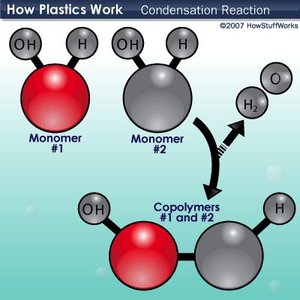
Macromolecules are formed and broken down through specific chemical reactions. Condensation reactions (also known as dehydration synthesis) link monomers together, releasing water. Hydrolysis is the reverse process, breaking polymers into monomers by adding water.
Condensation Reaction: Links monomers together; produces water as a byproduct.
Hydrolysis: Breaks polymers into monomers; requires water for each bond broken.
Macromolecules of Life
Types and Functions
There are four major classes of biological macromolecules: carbohydrates, lipids, proteins, and nucleic acids. Each plays a distinct role in cellular structure and function.
Carbohydrates: Main energy source; composed of carbon, hydrogen, and oxygen in a 1:2:1 ratio.
Lipids: Energy storage; large, nonpolar molecules that do not dissolve in water.
Proteins: Involved in all cell functions; structure determines function.
Nucleic Acids: Store and transmit genetic information.
Carbohydrates
Structure and Categories
Carbohydrates are organic molecules that serve as the primary energy source for cells. They are classified based on the number of sugar units present.
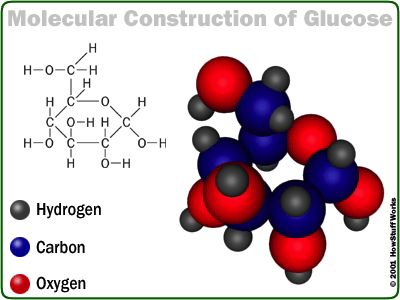
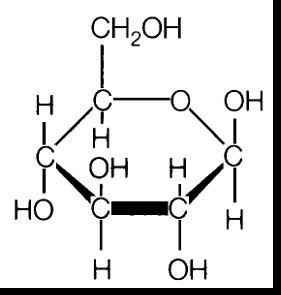
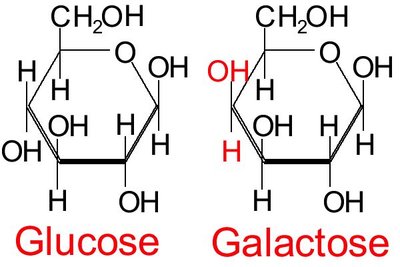
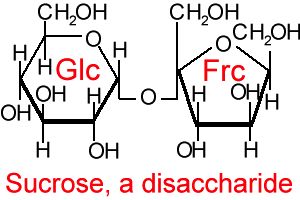
Monosaccharide: Simple sugar; monomer of carbohydrates (e.g., glucose, fructose, galactose).
Disaccharide: Two monosaccharides linked together (e.g., sucrose, lactose, maltose).
Polysaccharide: Many monosaccharides linked together (e.g., starch, cellulose, glycogen).
Isomer: Molecules with the same formula but different structures.
Examples and Applications
Glucose: C6H12O6; primary energy source.
Starch: Storage polysaccharide in plants.
Cellulose: Structural polysaccharide in plant cell walls.
Glycogen: Storage polysaccharide in animals.
Lipids
Structure and Types
Lipids are hydrophobic molecules used for energy storage and structural purposes. They include fatty acids, triglycerides, phospholipids, waxes, and steroids.
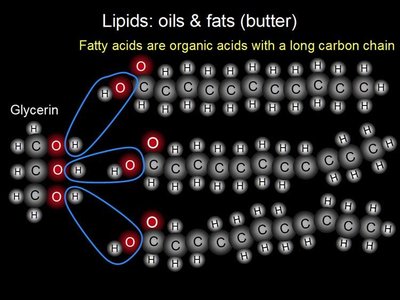
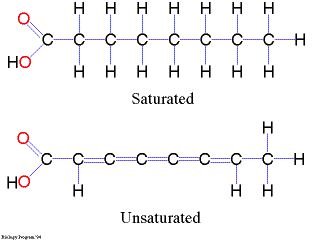
Fatty Acid: Unbranched carbon chain; has hydrophilic and hydrophobic ends.
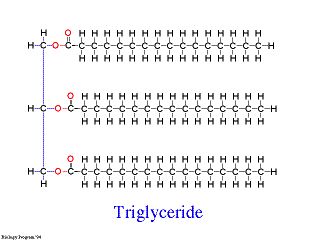
Triglyceride: Composed of three fatty acids and one glycerol; main form of stored energy.
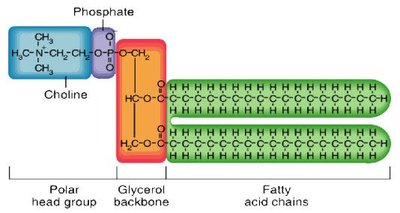
Phospholipid: Two fatty acids, a phosphate group, and a glycerol; forms cell membranes.
Wax: Structural lipid; long fatty acid chain joined with alcohol.
Steroid: Four fused carbon rings with various functional groups (e.g., cholesterol).
Proteins
Structure and Function
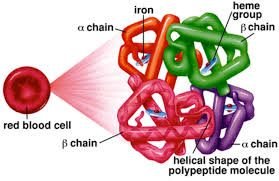
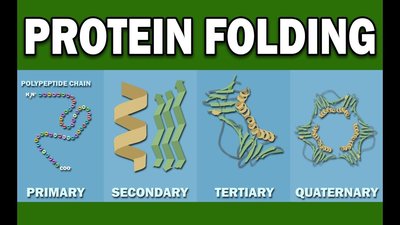
Proteins are polymers of amino acids and are involved in nearly all cellular functions. Their function is determined by their structure, which is organized into four levels.
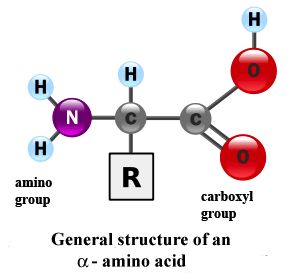
Amino Acid: Monomer of proteins; 20 different types.
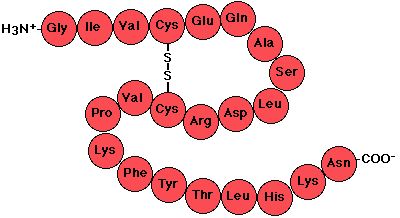
Peptide Bond: Bond holding two amino acids together.
Dipeptide: Two amino acids linked together.
Polypeptide: Many amino acids linked together.
Protein Folding: Proteins fold into four structural levels: primary, secondary, tertiary, and quaternary.
Examples and Applications
Structural Proteins: Collagen
Storage Proteins: Ferritin
Transport Proteins: Hemoglobin
Hormonal Proteins: Insulin
Antibodies: Immunity
Enzymes: Catalysts
Enzymes
Mechanism and Factors Affecting Activity
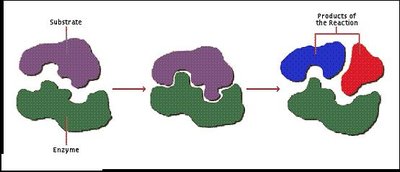
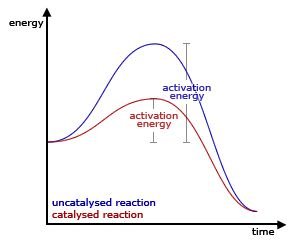
Enzymes are proteins that act as biological catalysts, speeding up chemical reactions by lowering activation energy. Their activity is influenced by pH, temperature, and concentration.
Lock and Key Model: Substrates bind to the enzyme's active site; the enzyme releases the product when the fit changes.
Catalyst: Substance that lowers activation energy; usually an enzyme.
Factors: pH, temperature, and concentration affect enzyme activity.
Nucleic Acids
Structure and Function
Nucleic acids are macromolecules that store and transmit genetic information. The three major types are DNA, RNA, and ATP. Their monomer is the nucleotide, which consists of a sugar, phosphate, and base.
DNA: Deoxyribonucleic acid; contains A, T, C, G bases.
RNA: Ribonucleic acid; contains A, U, C, G bases.
ATP: Energy molecule.
Nucleotide: Building block; made of sugar, phosphate, and base.
Nutrient Cycling
Earth's Spheres and Biogeochemical Cycles
Nutrient cycling involves the movement of essential elements (CHONPS: Carbon, Hydrogen, Oxygen, Nitrogen, Phosphorus, Sulfur) through Earth's spheres: geosphere, hydrosphere, biosphere, and atmosphere. Key cycles include the carbon/oxygen cycle, water cycle, nitrogen cycle, phosphorus cycle, and sulfur cycle.
Carbon/Oxygen Cycle: Exchange of carbon and oxygen between organisms and the environment.
Water Cycle: Movement of water through evaporation, condensation, and precipitation.
Nitrogen Cycle: Conversion of nitrogen between its various chemical forms.
Phosphorus Cycle: Movement of phosphorus through rocks, soil, water, and living organisms.
Sulfur Cycle: Circulation of sulfur in the environment.
Additional info: The notes have been expanded to provide academic context, definitions, and examples for clarity and completeness.
