Indietro
Biodiversity and Community Ecology: Study Notes
Guida di studio - Note intelligenti
 Appunti personalizzati basati sui tuoi materiali, ampliati con definizioni chiave, esempi e contesto.
Biodiversity and Community Ecology
Introduction
Biodiversity and community ecology are central topics in biology, focusing on the variety of life, the interactions among organisms, and the structure and function of biological communities. Understanding these concepts is essential for evaluating the impact of human activities on ecosystems and for developing strategies to conserve the natural world.
Our Ecological Footprint
Global Population and Resource Use
Ecological footprint: An estimate of the land and water area required to provide the resources an individual or nation consumes, including food, fuel, housing, and the ability to absorb the waste generated.
Biocapacity: The capacity of Earth to renew resources and absorb wastes.
The average ecological footprint for the world’s population is roughly 1.7 times the planet’s biocapacity per person, indicating unsustainable resource use.
Affluent nations consume a disproportionate amount of resources, increasing pressure on global ecosystems.
Biodiversity
Why Biodiversity Matters
Biodiversity supports ecosystem services such as oxygen production, food supply, pest control, climate regulation, floodwater absorption, erosion reduction, and the discovery of new medicines.
Each species plays a unique role in its community, and the loss of a species can disrupt ecosystem function and human well-being.
Example: The Tasmanian devil is an endangered marsupial whose loss would impact its community and potentially human health due to unique proteins in its milk.
Levels of Biodiversity
Genetic diversity: The variety of genetic information within and among individuals of a population. It is the raw material for natural selection and adaptation.
Species diversity: The number and relative abundance of species in a community.
Ecosystem diversity: The variety of ecosystems in a region, including the interactions among organisms and their physical environment.
Loss of biodiversity includes the loss of genetic resources, species, and ecosystem functions.
Genetic Diversity
Genetic diversity has economic value, such as potential for new medicines and crops.
Example: Wild bananas may contain genes for disease resistance that could be used to protect commercial banana crops.
Species Diversity
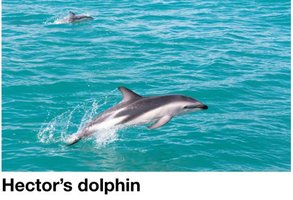
Current extinction rates are estimated to be 100 times higher than historical averages.
Over half of all plant and animal species may be lost within this century if current trends continue.
Ecosystem Diversity
An ecosystem includes all organisms and abiotic factors in a particular area.
Loss of one species can negatively affect the entire ecosystem due to interconnected relationships.
Ecosystem services: Functions performed by ecosystems that benefit people, such as air and water purification, climate regulation, and erosion control. Estimated global value: $125–140 trillion per year.
Example: Coral reefs provide food, storm protection, and recreation, but are threatened by human activities and climate change.
Causes of Declining Biodiversity
Main Factors
Habitat destruction and fragmentation: Conversion of natural habitats for agriculture, urban development, forestry, and mining.
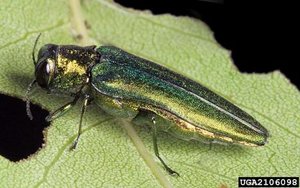
Invasive species: Non-native species that outcompete, prey upon, or parasitize native species.
Overexploitation: Harvesting of plants and animals at rates exceeding their ability to recover.
Pollution: Air and water pollution, including acid precipitation and toxic chemicals, harm species and ecosystems.
Global climate change is expected to become a leading cause of extinction in the near future.
Community Ecology
Community Structure
A community is an assemblage of species living close enough together for potential interaction.
Species interact in various ways, shaping community structure and function.
Interspecific Interactions
Interspecific interactions: Relationships between species, classified by their effects:
Competition (−/−): Both species are harmed by limited access to resources.
Mutualism (+/+): Both species benefit.
Predation (+/−): One species (predator) benefits, the other (prey) is harmed.
Herbivory (+/−): An animal eats plant parts or algae.
Parasitism and Pathogens (+/−): Parasites/pathogens benefit at the expense of the host.
Commensalism (+/0): One species benefits, the other is unaffected.
Ecological Niche and Competitive Exclusion
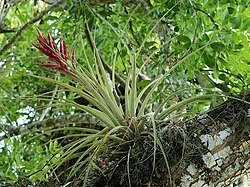
Ecological niche: The total use of biotic and abiotic resources by a species.
Competitive exclusion principle: Two species competing for the same resources cannot coexist indefinitely; one will outcompete the other.
Trophic Structure
Trophic structure: The feeding relationships among species in a community.
Food chain: Sequence of food transfer from producers to various levels of consumers.
Producers: Photosynthetic organisms that support all other trophic levels.
Primary consumers: Herbivores that eat producers.
Secondary, tertiary, and quaternary consumers: Carnivores that eat consumers from lower levels.
Decomposers: Organisms that break down dead material, recycling nutrients.
Biological Magnification
Biological magnification: The process by which toxins become more concentrated in organisms at higher trophic levels.
Example: Mercury and PCBs accumulate in fish, posing health risks to humans and wildlife.
Food Webs
Most communities are characterized by complex food webs rather than simple food chains.
Omnivores: Animals that eat both producers and consumers at different trophic levels.
Species Diversity in Communities
Components of Species Diversity
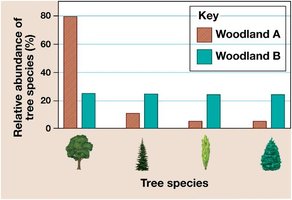
Species richness: The number of different species in a community.
Relative abundance: The proportional representation of each species.
Both components are important for describing community diversity.
Keystone Species
A keystone species has a disproportionately large impact on its community relative to its abundance.
Examples: Sea stars in intertidal zones, beavers that modify habitats by building dams.
Disturbances and Succession in Communities
Disturbances
Disturbances: Events that damage communities by destroying organisms and altering resource availability (e.g., storms, fire, floods, droughts).
Small-scale disturbances can create new habitats and increase diversity.
Ecological Succession
Ecological succession: The process by which species colonize and replace one another after a disturbance.
Primary succession: Begins in lifeless areas with no soil (e.g., after lava flows or glacial retreat).
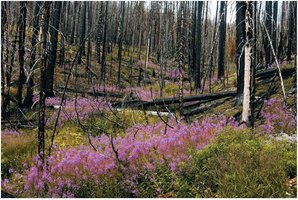
Secondary succession: Occurs where a disturbance has destroyed a community but left the soil intact (e.g., after fire).