 Indietro
Biodiversity and Evolution: Foundations of Life on Earth
Guida di studio - Note intelligenti
 Appunti personalizzati basati sui tuoi materiali, ampliati con definizioni chiave, esempi e contesto.
Biodiversity
Definition and Importance
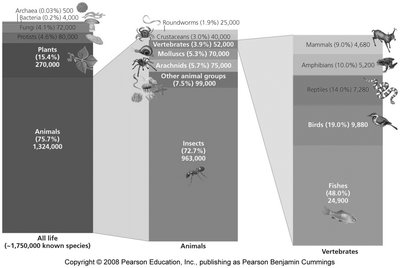
Biodiversity refers to the measure of different species that live within a particular ecosystem. It encompasses the variety of life forms, their genetic differences, and the ecosystems they inhabit. Biodiversity is crucial for ecological balance, human survival, and the provision of resources such as food and oxygen. Conservation efforts should not focus solely on species beneficial to humans, as all life forms are interconnected.
Levels of Biodiversity
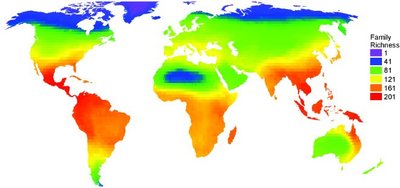
Global Diversity: The variety of habitats, niches, and species interactions on a worldwide scale. There is a distinct latitudinal gradient, with higher diversity near the equator due to favorable climatic conditions.
Ecosystem Diversity: The diversity of habitats, niches, and species interactions within a specific area (e.g., wetlands, woodlands, coral reefs).
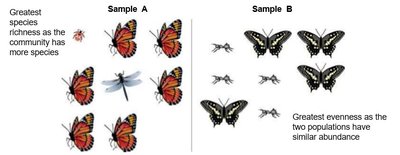
Species Diversity: The number of different species (richness) and their relative abundance (evenness) in a community.
Genetic Diversity: The variety of genetic characteristics within a species, enabling adaptation to changing environments.
Species Concepts
Morphological Species Concept: Classification based on anatomical similarities. Useful for asexual organisms and fossils, but problematic with high morphological variation.
Biological Species Concept: Classification based on the ability to interbreed and produce fertile offspring, with reproductive isolation from other groups.
Reproductive isolation is essential for maintaining species integrity. Barriers include:
Prezygotic barriers: Habitat, temporal, behavioral, mechanical, and gametic isolation.
Postzygotic barriers: Reduced hybrid viability, reduced hybrid fertility, hybrid breakdown.
Aspects of Species Diversity
Species richness: Number of different species in a community.
Species abundance: Number of individuals of a particular species.
Species evenness: Similarity in the relative abundance of all species present.
Biodiversity Indices
Scientists use indices such as Simpson’s Index to quantify biodiversity, considering both richness and evenness:
Simpson’s Index formula:
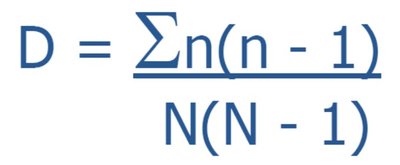
D ranges from 0 to 1; higher D means lower biodiversity (counter-intuitive).
Simpson’s Index of Diversity = 1 – D; higher values indicate higher biodiversity.
Simpson’s Reciprocal Index = 1/D; higher values indicate higher biodiversity.
Genetic Diversity
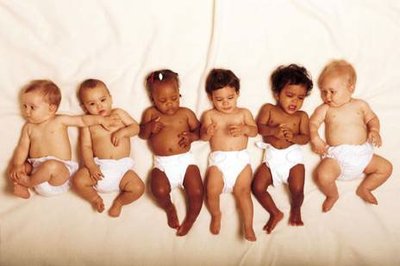
Genetic diversity is the measure of different genetic characteristics within a species. It allows populations to adapt to environmental changes, resist diseases, and survive new challenges. For example, humans exhibit genetic diversity in traits such as height, facial features, and eye color.
Classification
Biological Classification and Taxonomy
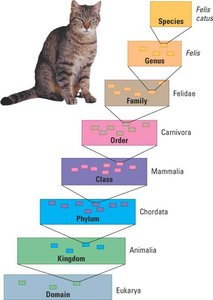
Classification is the process of grouping organisms based on their relationships. It helps scientists infer evolutionary relationships using fossils, genes, and morphology. The hierarchical system includes:
Domain
Kingdom
Phylum
Class
Order
Family
Genus
Species
Domains and Kingdoms
Bacteria: Prokaryotes (Eubacteria)
Archaea: Prokaryotes (Archaebacteria)
Eukarya: Eukaryotes (Protista, Fungi, Plantae, Animalia)
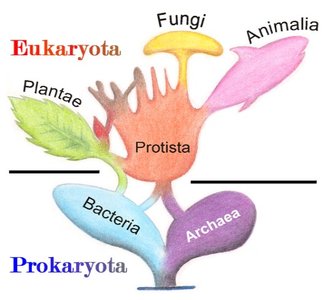
Kingdoms are further divided based on cellular structure, mode of nutrition, and other characteristics.
Scientific Names
Binomial nomenclature (genus and species) established by Carolus Linnaeus.
Names are in Latin, italicized or underlined, with genus capitalized and species lowercase.
Example: Loxodonta africana (African elephant).
Phylogenetics and Cladistics
Phylogenetic Trees
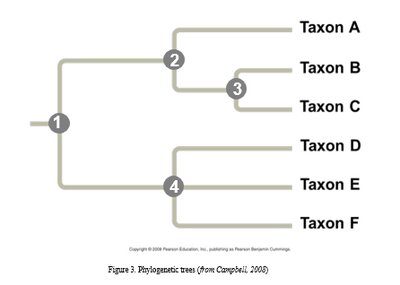
Phylogenetics studies evolutionary history and relationships among organisms. Phylogenetic trees represent these relationships and speciation events. Branches indicate divergence, with older splits near the base.
Cladograms
Cladograms show evolutionary relationships based on shared, derived, and diagnostic characteristics. Organisms are grouped into clades based on relatedness.
Shared characteristics: Traits present in both ancestral and modern groups.
Derived characteristics: Traits that arose in the most recent common ancestor and are passed to descendants.
Diagnostic characteristics: Traits specific to a particular group, used for identification.
Evolution
Natural Selection and Adaptation
Evolution is the gradual development of species over time, driven by genetic change. Charles Darwin's observations on the Galápagos Islands led to the theory of natural selection, where individuals with favorable traits survive and reproduce more successfully.
Species evolve from common ancestors.
Natural selection matches organisms to their environment.
Key observations: limited resources, variation among individuals, inheritance of traits.
Patterns of Evolution
Convergent Evolution: Separate lineages evolve similar traits independently (e.g., wings in bats, birds, butterflies).
Divergent Evolution: Traits from a common ancestor evolve into different variations (e.g., forelimbs in mammals).
Co-evolution: Two interacting species adapt in response to each other (e.g., insects and flowers).
Speciation
Speciation is the process by which new species arise, requiring genetic variation and reproductive isolation. It can occur via:
Allopatric speciation: Due to geographical isolation.
Sympatric speciation: Due to intrinsic factors within the population.
Evidence for Evolution
Types of Evidence
Embryology: Similarities in embryo development across species.
Biogeography: Distribution patterns of species.
Homology: Similar structures due to shared ancestry.
Biochemistry: Similarities in molecular composition.
DNA sequencing: Comparison of nucleotide sequences.
Fossils: Physical evidence of past life forms.
Fossil Formation and Dating
Fossils are formed when organisms are buried quickly and preserved. Radiometric dating estimates the age of fossils using isotopes. The fossil record is incomplete due to infrequent fossilization and geological processes.
Glossary
A comprehensive glossary is provided, defining key terms such as abundance, allopatric, amniotes, analogous structure, biodiversity, biogeography, clade, cladistics, classification, convergent evolution, DNA sequencing, ecosystem, evolution, fossilisation, gene, genetic diversity, homologous structure, mutation, natural selection, phylogenetics, reproductive isolation, species, speciation, and more.
