 Indietro
Biomolecules: Structure, Function, and Testing in General Biology
Guida di studio - Note intelligenti
 Appunti personalizzati basati sui tuoi materiali, ampliati con definizioni chiave, esempi e contesto.
The Molecules of Cells
Introduction to Organic Compounds
Organic compounds are the foundation of life, primarily due to the unique properties of carbon. Carbon's ability to form four covalent bonds allows for a vast diversity of molecular structures, which drive all biological processes. For example, the breakdown of lactose (a carbohydrate) by lactase (an enzyme/protein) is directed by instructions in DNA (a nucleic acid).
Biomolecules are essential for life and include carbohydrates, lipids, proteins, and nucleic acids.
These molecules are primarily composed of CHONPS (Carbon, Hydrogen, Oxygen, Nitrogen, Phosphorus, Sulfur).
Carbon is central due to its versatility in bonding.
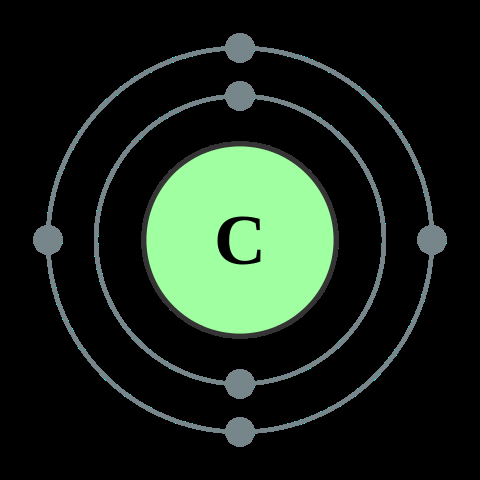
Organic Compounds and Carbon Structure
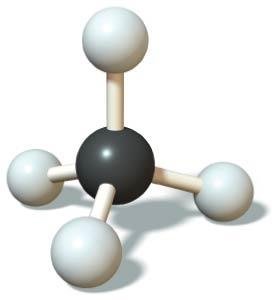
Almost all cellular molecules are based on carbon, making them organic compounds. Carbon's four electrons in its outer shell allow it to form four covalent bonds, resulting in large and complex molecules. Carbon skeletons can vary in length, branching, and ring formation, contributing to molecular diversity.
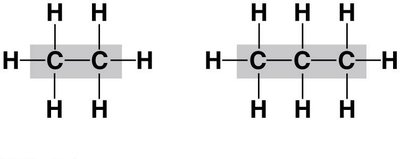
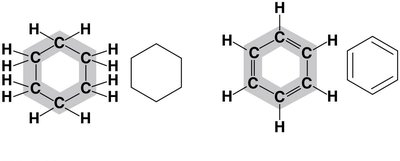
Ball-and-stick models and carbon skeleton diagrams help visualize molecular structure.
Carbon skeletons may be chains, branched, or rings.
Isomers and Hydrocarbons
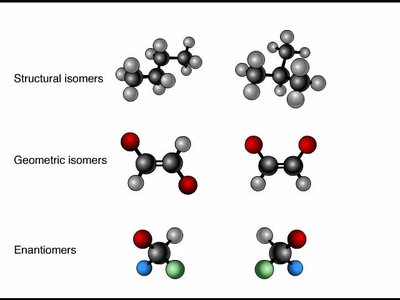
Isomers are compounds with the same chemical formula but different structural arrangements, leading to different properties. Hydrocarbons are molecules composed only of carbon and hydrogen, serving as major energy sources in petroleum but are rare in living organisms.
Structural diversity of isomers increases the variety of organic molecules.
Example: Methamphetamine exists as two isomers with vastly different biological effects.
Functional Groups
Properties of Organic Compounds
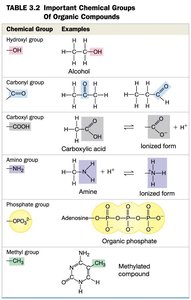
The chemical properties of organic compounds depend on the size and shape of the carbon backbone and the functional groups attached. Hydrophilic (polar) functional groups increase solubility in water, while non-polar groups like methyl affect molecular shape and function.
Functional groups include hydroxyl, carbonyl, carboxyl, amino, phosphate, and methyl.
Some functional groups do not contain carbon (e.g., phosphate).
Chemical Group | Example |
|---|---|
Hydroxyl group | Alcohol |
Carbonyl group | Carboxylic acid, Ionized form |
Amino group | Amine, Ionized form |
Phosphate group | Organic phosphate |
Methyl group | Methylated compound |
Macromolecules
Classes of Macromolecules
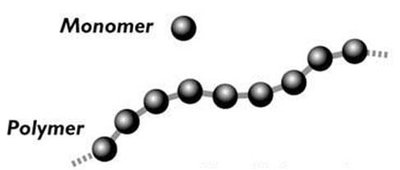
Macromolecules, also known as biomolecules, are large molecules essential for life. They are polymers made from monomers linked together. The four main classes are carbohydrates, lipids, proteins, and nucleic acids.
Carbohydrates: Monomer is monosaccharide.
Lipids: Not true polymers; composed of fatty acids and glycerol.
Proteins: Monomer is amino acid.
Nucleic Acids: Monomer is nucleotide.

Polymerization: Dehydration and Hydrolysis
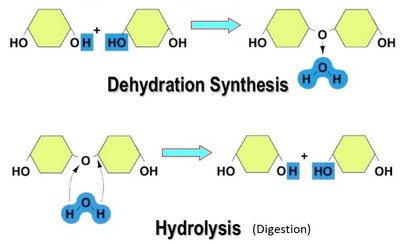
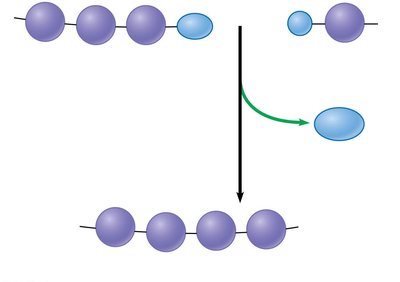
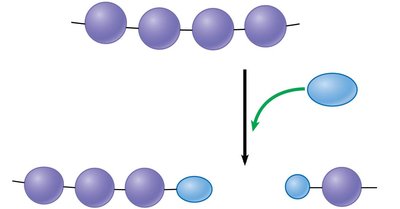
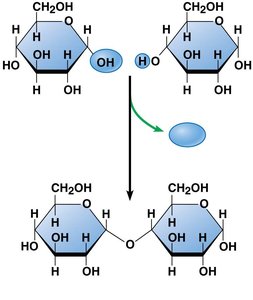
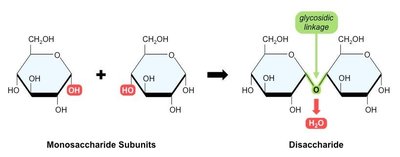
Monomers are joined to form polymers through dehydration reactions, which remove water. Polymers are broken down by hydrolysis, which adds water. Enzymes mediate these reactions.
Dehydration reaction: Joins monomers, releases water.
Hydrolysis: Breaks polymers into monomers, consumes water.
Carbohydrates
Monosaccharides and Disaccharides
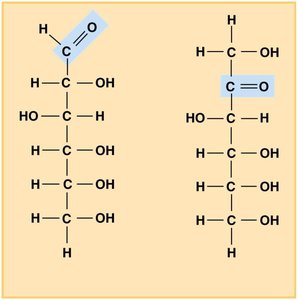
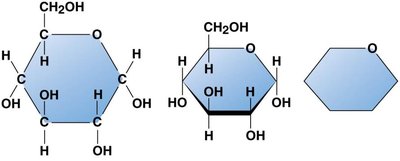
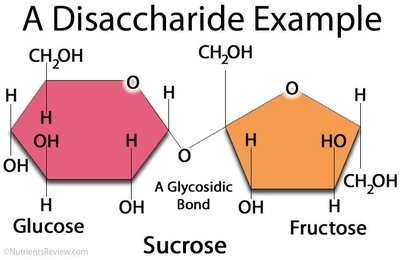
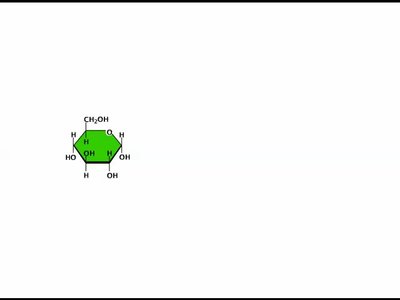
Carbohydrates are sugars and starches, serving as quick energy sources. Monosaccharides are simple sugars (e.g., glucose, fructose, galactose) with the formula . Disaccharides are formed by joining two monosaccharides (e.g., sucrose, lactose).
Energy is stored in chemical bonds; breaking bonds releases energy.
Monosaccharides contain hydroxyl and carbonyl groups.
Polysaccharides
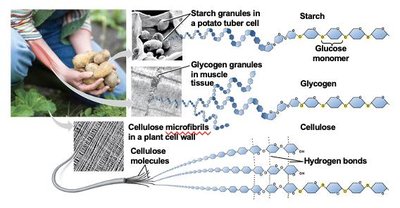
Polysaccharides are long chains of sugar units linked by dehydration reactions. They serve as energy storage or structural components. Common types include starch (plants), glycogen (animals), and cellulose (plant cell walls).
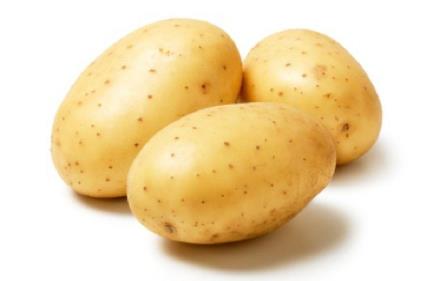
Starch: Energy storage in plants (potatoes, grains).
Glycogen: Energy storage in animals (liver, muscle).
Cellulose: Structural component in plants; indigestible by animals (fiber).

Testing for Carbohydrates
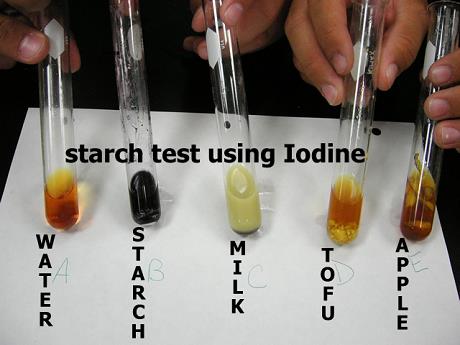
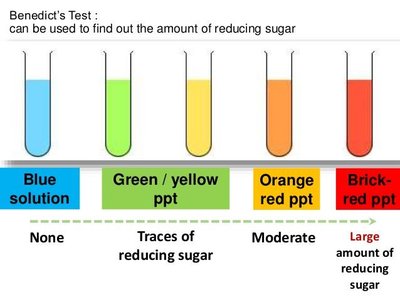
Carbohydrates can be detected in foods using chemical tests:
Iodine test: Detects starch; positive result is blue-black color.
Benedict test: Detects monosaccharides; positive result ranges from green/yellow to brick-red depending on sugar concentration.
Lipids
Fats and Lipids
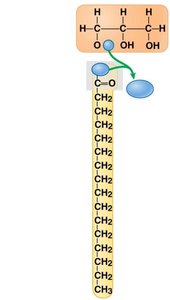
Lipids are hydrophobic molecules composed mostly of carbon and hydrogen. Fats (triglycerides) consist of glycerol and three fatty acids. Saturated fats have only single bonds and are solid at room temperature; unsaturated fats have one or more double bonds and are liquid at room temperature.
Function: Long-term energy storage, insulation, protection, hormones, cell membrane structure.
Phospholipids and Steroids
Phospholipids are major components of cell membranes, featuring hydrophilic heads and hydrophobic tails. Steroids, such as cholesterol and sex hormones, act as chemical messengers and are structurally distinct from fats.
Cholesterol: Found in animal cell membranes; precursor for other steroids.
Phospholipids: Essential for membrane structure.
Proteins
Functions and Structure
Proteins are highly diverse and perform numerous functions, including catalysis (enzymes), transport, defense (antibodies), signaling (hormones), and structural support. The monomer is the amino acid, and there are 20 different types.
Protein function depends on its shape.
Denaturation disrupts protein shape and function.
Amino Acids and Peptide Bonds
Amino acids contain an amino group, carboxyl group, hydrogen atom, and an R group attached to a central carbon. Peptide bonds form between amino acids via dehydration reactions, creating polypeptide chains.
R groups determine amino acid properties (hydrophilic or hydrophobic).
Levels of Protein Structure
Proteins have four structural levels:
Primary: Sequence of amino acids.
Secondary: Coiling/folding (alpha helix, beta sheet) stabilized by hydrogen bonds.
Tertiary: 3D shape from R group interactions.
Quaternary: Association of multiple polypeptide chains.
Nucleic Acids
DNA and RNA
Nucleic acids are polymers of nucleotides, each consisting of a sugar, phosphate group, and nitrogenous base. DNA is a double helix, while RNA is a single chain. These molecules store genetic information and direct protein synthesis.
DNA: Molecule of inheritance.
RNA: Involved in protein synthesis.
Lactose Intolerance
Lactose intolerance is caused by mutations in DNA that affect the expression of the lactase gene. This example illustrates the interplay between carbohydrates (lactose), proteins (lactase enzyme), and nucleic acids (DNA instructions).
Summary Table: Classes of Biomolecules
Class | Monomer | Polymer | Function | Example |
|---|---|---|---|---|
Carbohydrates | Monosaccharide | Polysaccharide | Energy, structure | Starch, glycogen, cellulose |
Lipids | Fatty acid, glycerol | Triglyceride | Energy storage, hormones, membranes | Phospholipids, cholesterol |
Proteins | Amino acid | Polypeptide | Enzymes, structure, transport | Lactase, collagen |
Nucleic Acids | Nucleotide | DNA, RNA | Genetic information | DNA, RNA |
