 Indietro
Broad Patterns of Evolution: Chapter 23 Study Notes
Guida di studio - Note intelligenti
 Appunti personalizzati basati sui tuoi materiali, ampliati con definizioni chiave, esempi e contesto.
Broad Patterns of Evolution
How Has Life on Earth Changed Over Time?
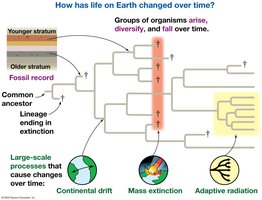
The fossil record provides evidence for the dynamic history of life on Earth, documenting the rise, diversification, and extinction of groups of organisms. Large-scale processes such as continental drift, mass extinction, and adaptive radiation have shaped the evolutionary trajectory of life.
Fossil Record: Shows how groups of organisms arise, diversify, and fall over time.
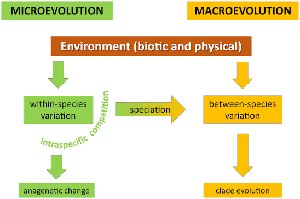
Macroevolution: Refers to broad changes above the species level, including the emergence of new groups and extinction events.
Key Processes: Continental drift, mass extinction, and adaptive radiation are major drivers of evolutionary change.
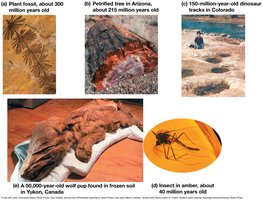
Example: Fossil skeletons of whales found in the Sahara Desert indicate past environments were very different.
The Fossil Record Documents Life’s History
The fossil record is a primary source for understanding the evolutionary history of life, though it is incomplete and biased toward certain types of organisms.
Incomplete Record: Most organisms do not fossilize; few fossils are found and many are destroyed.
Bias: Fossil record favors aquatic, long-lived, abundant, widespread, and hard-bodied species.
Macroevolutionary Evidence: Emergence and speciation of groups, mass extinction impacts, and origin of key adaptations.
How Rocks and Fossils Are Dated
Dating methods allow scientists to determine the relative and absolute ages of rocks and fossils, providing a timeline for evolutionary events.
Relative Dating: Based on sequence in rock strata.
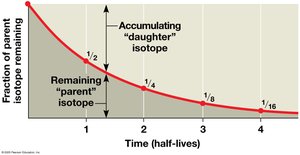
Radiometric Dating: Uses decay of radioactive isotopes to determine absolute age.
Isotope: Variant of a chemical element with a different number of neutrons.
Half-life: Time required for half the parent isotope to decay.
Formula:
Where is the remaining parent isotope, is the initial amount, is time, and is the half-life.
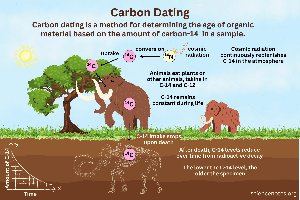
Carbon Dating
Carbon dating is used to determine the age of organic material based on the ratio of carbon-14 to carbon-12. Carbon-14 decays into nitrogen-14 with a half-life of 5,730 years, allowing dating of fossils up to 75,000 years old.
Carbon-12: Stable isotope; content does not change after death.
Carbon-14: Radioactive; decays into nitrogen-14.
Application: Used for dating relatively recent fossils.
Fossils Frame the Geologic Record
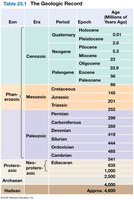
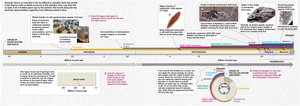
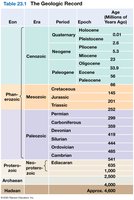
The geologic record divides Earth's history into eons, eras, periods, and epochs, providing a framework for understanding evolutionary events.
Four Eons: Hadean, Archaean, Proterozoic, Phanerozoic.
Phanerozoic Eon: Last half billion years; most animal life.
Era Boundaries: Marked by major extinction events and transitions.
Visualizing the Scale of Geologic Time
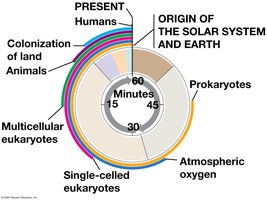
Earth's history can be visualized as a 24-hour clock, highlighting the relative timing of major evolutionary events.
Origin of Earth: 12:00 am
First Life: 4:00 am
Oxygen Atmosphere: 12:00 pm
Multicellular Organisms: 5:00 pm
Dinosaurs: 10:40 pm - 11:41 pm
Humans: 11:59:56 pm
The Origin of New Groups of Organisms
Tetrapods and Mammals
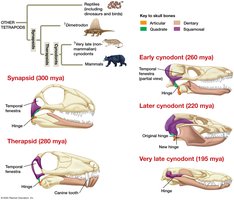
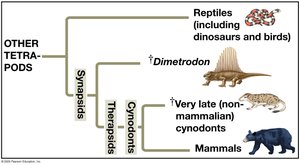
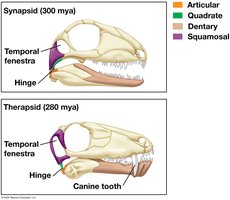
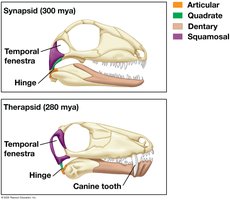
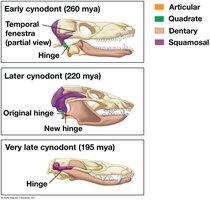
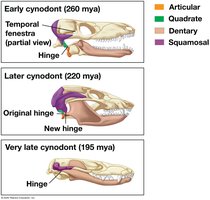
Fossils illustrate the gradual origin of new groups and features. Tetrapods are vertebrates with four limbs, and mammals are distinguished by unique jaw and ear structures.
Tetrapods: Include amphibians, reptiles, and mammals.
Mammals: Single lower jaw bone, three inner ear bones, specialized teeth.
Synapsids: Tetrapod ancestors of mammals; multiple jaw bones, single-pointed teeth.
Therapsids: Enlarged dentary bones, specialized teeth, larger cheek muscles.
Cynodonts: Intermediate forms; complex jaw hinges, teeth with cusps.
The Rise and Fall of Groups of Organisms
Speciation and Extinction Rates
The rise and fall of groups depend on speciation and extinction rates, influenced by large-scale processes such as continental drift, mass extinction, and adaptive radiation.
Speciation: Formation of new species.
Extinction: Loss of species.
Example: Anaerobic prokaryotes declined as oxygen increased.
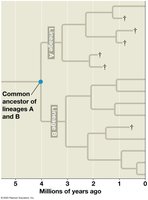
Plate Tectonics and Continental Drift
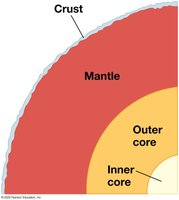
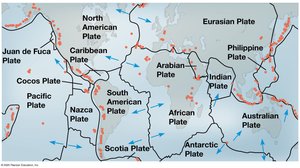
Earth's crust is divided into plates that move over the mantle, causing continental drift and shaping habitats.
Plate Tectonics: Movement of Earth's plates forms mountains, trenches, and causes earthquakes.
Types of Plate Interaction: Converging (collide), diverging (separate), transforming (slide).
Consequences: Alters habitats, triggers extinctions and speciation.
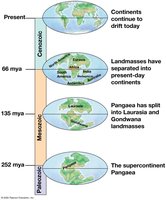
Pangaea: Supercontinent formed 250 million years ago; led to habitat changes and extinctions.
Allopatric Speciation
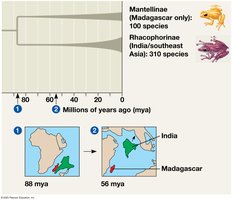
Continental drift can lead to allopatric speciation, where populations become isolated and diverge into new species.
Example: Frog subfamilies diverged after Madagascar separated from India.
Geographic Distribution: Fossils of same species found on different continents.
Mass Extinctions
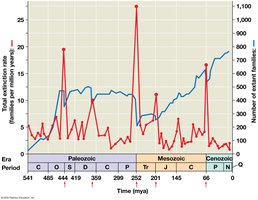
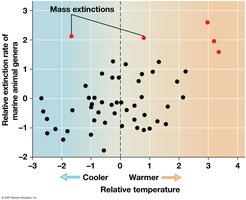
Mass extinctions are rapid, global decreases in biodiversity, with at least 75% of species lost in a short time. Five major events have occurred in the past 500 million years.
Causes: Habitat destruction, environmental change, biological factors.
Big Five: Permian, Cretaceous, and others.
The Permian Mass Extinction
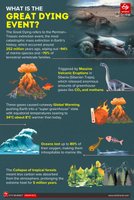
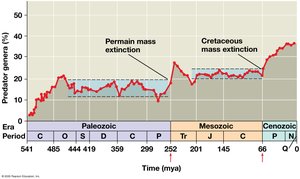
The Permian mass extinction (252 million years ago) was Earth's most severe, with ~95% of marine species and ~70% of land vertebrates lost. Volcanism, rapid warming, ocean acidification, and oxygen depletion were major factors.
Boundary: Paleozoic to Mesozoic eras.
Effects: Catastrophic environmental changes.
The Cretaceous Mass Extinction
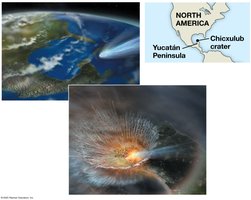
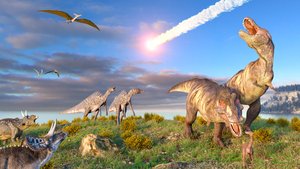
The Cretaceous mass extinction (66 million years ago) marked the boundary between the Mesozoic and Cenozoic eras. An asteroid impact caused global climate disruption, leading to the extinction of dinosaurs (except birds) and many other species.
Evidence: Iridium in rocks, Chicxulub crater.
Effects: More than half of marine species and many terrestrial species lost.
Is a Sixth Mass Extinction Under Way?
Current extinction rates are 100 to 1,000 times higher than background rates, largely due to human activities such as habitat loss, introduced species, overharvesting, and climate change.
Evidence: Rapid decline in mammal species; comparable to previous mass extinctions.
Implication: A sixth, human-caused mass extinction is likely unless action is taken.
Consequences of Mass Extinctions
Mass extinctions permanently alter ecological communities and remove evolutionary lineages. Recovery of diversity can take millions of years, and novel features may be lost or return slowly.
Example: Humans would not exist if early primates went extinct during the Cretaceous event.
Community Change: Marine predators increased after Permian and Cretaceous extinctions.
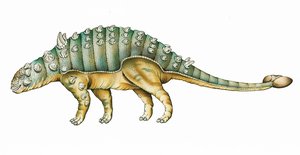
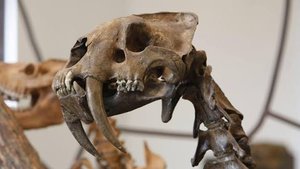
Loss of Novel Features: Tail clubs in Ankylosaur, extreme canines in Saber-toothed tigers.
Adaptive Radiations
Worldwide Adaptive Radiations
Adaptive radiations are periods of rapid evolution where groups form many new species with adaptations for different ecological roles. They often follow mass extinctions, major innovations, or colonization of new regions.
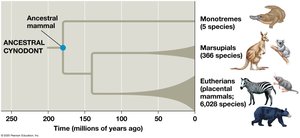
Mammals: Expanded in diversity and size after dinosaur extinction.
Other Examples: Photosynthetic prokaryotes, Cambrian predators, land colonization by plants, insects, tetrapods.
Ecological Interactions: Diversification in one group can stimulate radiations in others.
Regional Adaptive Radiations
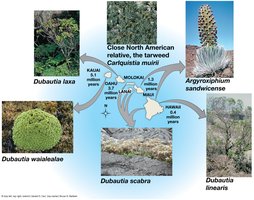
Regional adaptive radiations occur when organisms colonize new environments with little competition, such as the Hawaiian archipelago.
Example: Silverswords diversified from ancestral tarweed.
Major Changes in Body Form: Developmental Genes
Changes in Rate and Timing (Heterochrony)
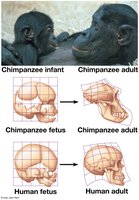
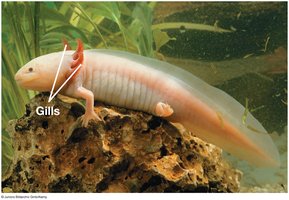
Heterochrony is an evolutionary change in the rate or timing of developmental events, affecting adult body shape and features.
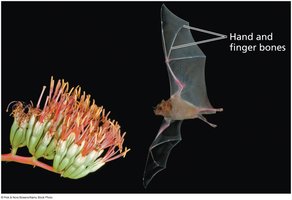
Example: Human jaw grows slowly relative to skull; bat wings result from increased finger bone growth.
Paedomorphosis: Accelerated development of reproductive organs; adults retain juvenile features.
Changes in Spatial Pattern (Homeotic Genes)
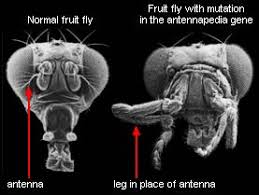
Homeotic genes determine the organization of body structures during development. Alterations can cause substantial evolutionary change.
Hox Genes: Affect position of body parts in animals; changes can produce body parts in atypical locations.
MADS-box Genes: Similar effect in plants.
Evolution of Development
Adaptive evolution of new and existing genes shapes the diversity of life. Changes in gene sequence or regulation can produce novel morphological forms.
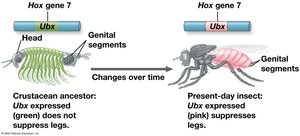
Gene Duplication: New developmental genes facilitate origin of novel forms.
Example: Six-legged insects evolved from many-legged crustaceans via Hox gene Ubx.
Changes in Gene Regulation
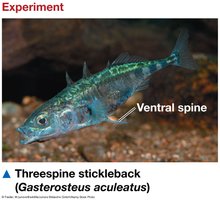
Regulatory changes in developmental genes can affect individual cell types, leading to evolutionary changes in body form.
Example: Reduction of spines in freshwater sticklebacks due to gene regulation differences.
Evolution Is Not Goal Oriented
Evolutionary Novelties
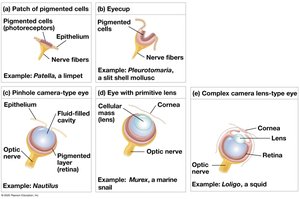
Complex structures evolve incrementally from simpler versions. Exaptations are structures that evolved for one function and were co-opted for another.
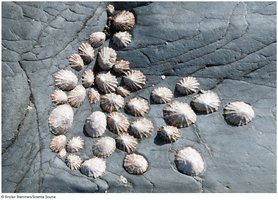
Example: Eyes evolved from simple photoreceptor patches to complex camera-type eyes.
Exaptation: Structures are modified for new uses, not evolved in anticipation of future needs.
Evolutionary Trends
Apparent evolutionary trends must consider all fossils, including extinct lineages. The species selection model suggests that differential speciation success determines trends, not an intrinsic drive toward a phenotype.
Example: Horse lineage shows no clear trend toward large, single-toed species when all fossils are included.
Species Selection: Populations diverge into distinct species due to selective pressures, genetic drift, and reduced gene flow.
Additional info: Evolution results from interactions between organisms and their environments, not from a predetermined goal.
