 Indietro
Carbohydrates and Lipids: Structure, Function, and Biological Importance
Guida di studio - Note intelligenti
 Appunti personalizzati basati sui tuoi materiali, ampliati con definizioni chiave, esempi e contesto.
Carbohydrates
Classification of Carbohydrates
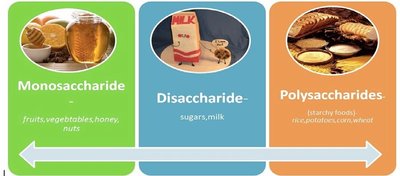
Carbohydrates are organic molecules composed of carbon, hydrogen, and oxygen, typically with a ratio of 1:2:1. They are classified based on the number of sugar units present:
Monosaccharides: Single sugar units (e.g., glucose, fructose, galactose).
Disaccharides: Two monosaccharide units joined by a glycosidic linkage (e.g., sucrose, lactose, maltose).
Polysaccharides: Many monosaccharide units linked together (e.g., starch, glycogen, cellulose).
Monosaccharides: Structure and Isomerism
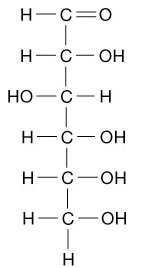
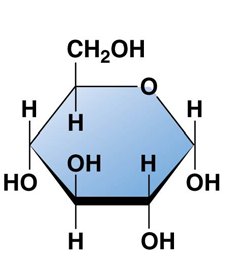
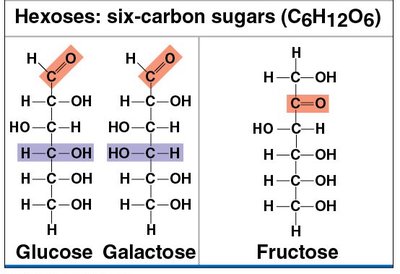
Monosaccharides are the simplest carbohydrates and serve as the building blocks for more complex sugars. Their carbon skeletons typically range from 3 to 7 carbons. The most common monosaccharides are hexoses (six carbons): glucose, galactose, and fructose.
General formula:
Structural forms: Monosaccharides can exist in linear or ring forms, but the ring form predominates in aqueous solutions.
Isomers: Glucose, galactose, and fructose have the same molecular formula () but differ in the arrangement of atoms.
Disaccharides: Formation and Examples
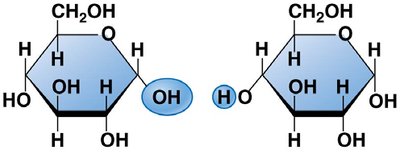
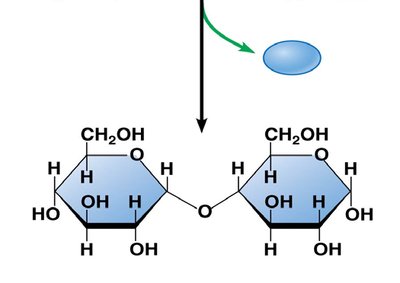
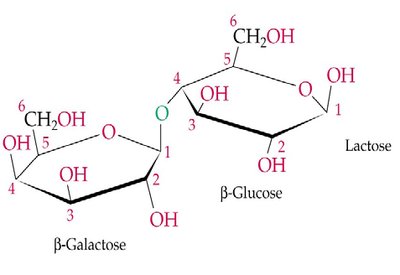
Disaccharides are formed when two monosaccharides are joined by a dehydration reaction, resulting in a covalent bond called a glycosidic linkage. This process releases a molecule of water.
Sucrose: Glucose + Fructose
Lactose: Glucose + Galactose
Maltose: Glucose + Glucose
Polysaccharides: Structure and Function
Polysaccharides are large polymers of monosaccharides and serve various roles in living organisms:
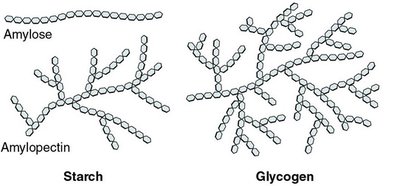
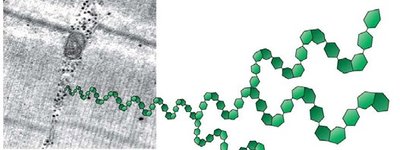
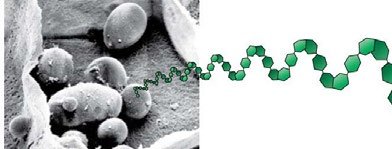
Starch: Energy storage in plants; composed of amylose (unbranched) and amylopectin (branched).
Glycogen: Energy storage in animals; highly branched structure allows rapid release of glucose.
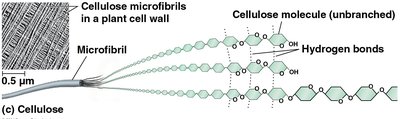
Cellulose: Structural component of plant cell walls; composed of unbranched chains that form microfibrils via hydrogen bonding. Indigestible by most animals.
Biological Roles of Carbohydrates
Carbohydrates perform several essential functions in living organisms:
Energy source: Immediate fuel for cellular respiration (e.g., glucose).
Energy storage: Starch in plants, glycogen in animals.
Structural support: Cellulose in plants, chitin in fungi and arthropods.
Carbon supply: For synthesis of other organic molecules.

Lipids
Overview and Types of Lipids
Lipids are a diverse group of hydrophobic molecules that do not form true polymers. They are insoluble in water due to their nonpolar nature. The main types of lipids include:
Triglycerides (fats and oils): Energy storage, insulation, and protection.
Phospholipids: Major components of cell membranes.
Steroids: Structural and signaling molecules (e.g., cholesterol, hormones).
Triglycerides: Structure and Function
Triglycerides are formed by joining one glycerol molecule with three fatty acids via dehydration reactions. They serve as the primary energy storage form in animals.
Fats: Solid at room temperature; mainly saturated fatty acids.
Oils: Liquid at room temperature; mainly unsaturated fatty acids.

Saturated vs. Unsaturated Fatty Acids
Fatty acids differ in the presence or absence of double bonds:
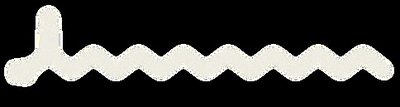
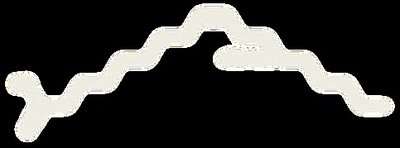
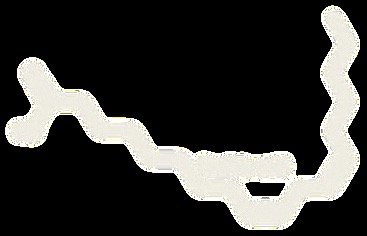
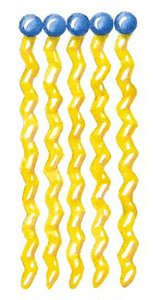
Saturated fatty acids: No double bonds; straight chains; pack tightly; solid at room temperature (e.g., butter).
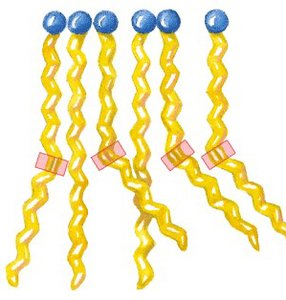
Unsaturated fatty acids: One or more double bonds; kinked chains; do not pack tightly; liquid at room temperature (e.g., olive oil).


Essential Fatty Acids (EFAs) and Health
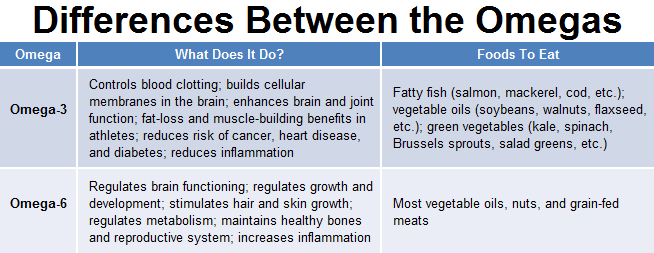
Some unsaturated fatty acids, such as omega-3 and omega-6, are essential because the human body cannot synthesize them. They must be obtained from the diet and play critical roles in health, including brain function and inflammation regulation.
Omega | What Does It Do? | Foods To Eat |
|---|---|---|
Omega-3 | Controls blood clotting; builds cellular membranes in the brain; enhances brain and joint function; reduces risk of cancer, heart disease, and diabetes; reduces inflammation | Fatty fish, vegetable oils, green vegetables |
Omega-6 | Regulates brain functioning; regulates growth and development; stimulates hair and skin growth; increases inflammation | Most vegetable oils, nuts, grain-fed meats |
Phospholipids: Structure and Biological Role
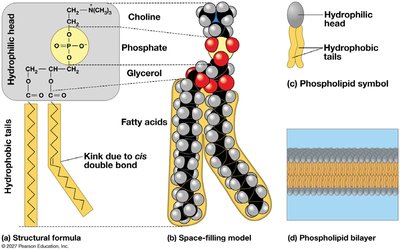
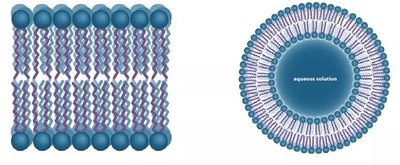
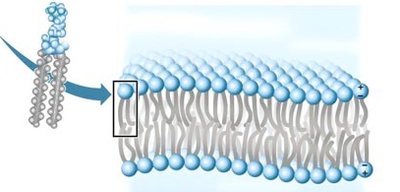
Phospholipids are similar to triglycerides but have two fatty acids and a phosphate group attached to glycerol. They are amphiphilic, with hydrophilic heads and hydrophobic tails, and are the main structural components of cell membranes. In water, they spontaneously form bilayers, creating a barrier that separates the cell from its environment.

Steroids: Structure and Function
Steroids are lipids with a structure of four fused carbon rings. Cholesterol is the most common steroid in humans and is essential for maintaining cell membrane fluidity and as a precursor for steroid hormones (e.g., testosterone, estrogen, progesterone).
Cholesterol: Structural component of cell membranes; precursor to steroid hormones.
Steroid hormones: Regulate various physiological processes, including reproduction and metabolism.
Summary Table: Carbohydrates and Lipids
Macromolecule | Monomer | Polymer | Function |
|---|---|---|---|
Carbohydrate | Monosaccharide | Polysaccharide | Energy, storage, structure |
Lipid | Fatty acid, glycerol | Triglyceride, phospholipid, steroid | Energy storage, membranes, signaling |
