 Indietro
Carbohydrates and Lipids: Structure, Function, and Biological Importance
Guida di studio - Note intelligenti
 Appunti personalizzati basati sui tuoi materiali, ampliati con definizioni chiave, esempi e contesto.
Carbohydrates
Classification of Carbohydrates
Carbohydrates are organic molecules composed of carbon, hydrogen, and oxygen, typically with a ratio of 1:2:1. They are classified based on the number of sugar units present:
Monosaccharides: Single sugar units (simple sugars), e.g., glucose, fructose, galactose.
Disaccharides: Two monosaccharides joined by a glycosidic linkage, e.g., sucrose, lactose, maltose.
Polysaccharides: Many monosaccharide units linked together, e.g., starch, glycogen, cellulose.
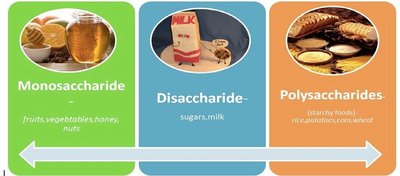
Monosaccharides: Structure and Isomerism
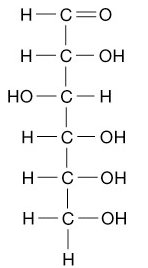
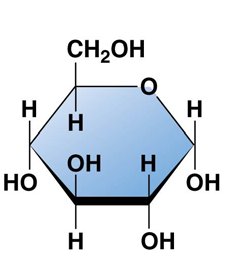
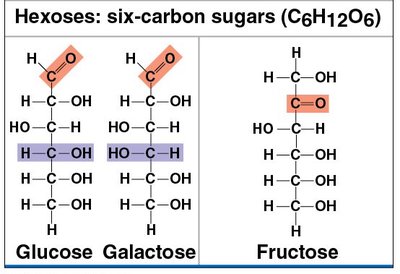
Monosaccharides are the simplest carbohydrates and serve as the building blocks for more complex sugars. Their carbon skeletons typically contain 3-7 carbons. The most common monosaccharides are hexoses (six carbons): glucose, galactose, and fructose.
General formula:
Isomers: Compounds with the same chemical formula but different structural arrangements (e.g., glucose, galactose, and fructose all have but differ in structure).
Disaccharides: Formation and Examples
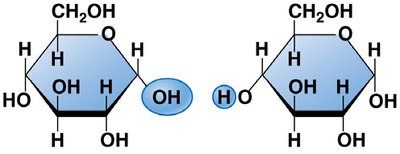
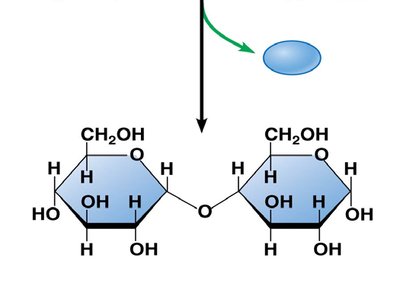
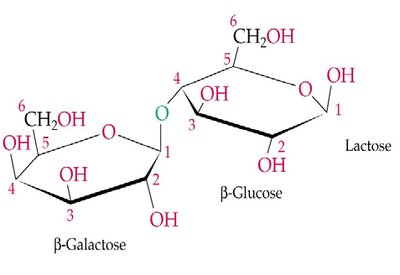
Disaccharides are formed when two monosaccharides are joined by a dehydration reaction, resulting in a covalent bond called a glycosidic linkage. This process releases a molecule of water.
Sucrose: Glucose + Fructose
Lactose: Glucose + Galactose
Maltose: Glucose + Glucose
Polysaccharides: Structure and Function
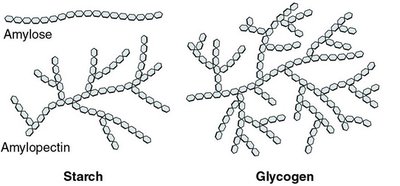
Polysaccharides are long chains of monosaccharide units. Their structure and function depend on the types of monomers and the glycosidic linkages between them.
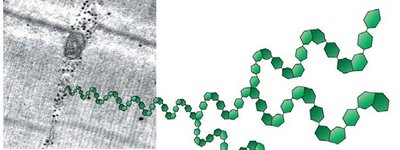
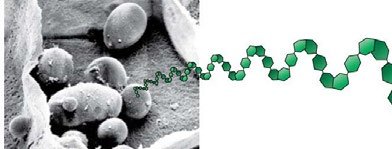
Starch: Energy storage in plants; composed of amylose (unbranched) and amylopectin (branched).
Glycogen: Energy storage in animals; highly branched structure.
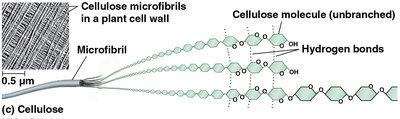
Cellulose: Structural component of plant cell walls; unbranched chains that form microfibrils via hydrogen bonding. Indigestible by most animals.
Biological Roles of Carbohydrates
Carbohydrates serve several essential functions in living organisms:
Energy source: Immediate fuel for cellular respiration (e.g., glucose).
Energy storage: Starch in plants, glycogen in animals.
Structural support: Cellulose in plants, chitin in fungi and arthropods.
Source of carbon: For biosynthesis of other organic molecules.
Lipids
Overview and Types of Lipids
Lipids are a diverse group of hydrophobic molecules that do not form true polymers. They are insoluble in water due to their nonpolar nature. Major types include:
Triglycerides (fats and oils): Energy storage, insulation, and protection.
Phospholipids: Major component of cell membranes.
Steroids: Hormones and membrane components (e.g., cholesterol).
Triglycerides: Structure and Function
Triglycerides are formed by joining one glycerol molecule with three fatty acids via dehydration reactions. They serve as the main energy storage molecules in animals.
Fats: Solid at room temperature; mostly saturated fatty acids.
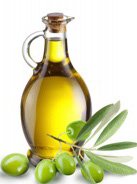
Oils: Liquid at room temperature; mostly unsaturated fatty acids.

Saturated vs. Unsaturated Fatty Acids
Fatty acids differ in the presence or absence of double bonds:
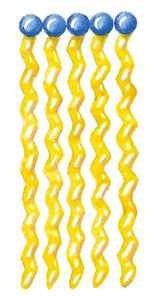
Saturated fatty acids: No double bonds; straight chains; pack tightly; solid at room temperature; higher melting point.
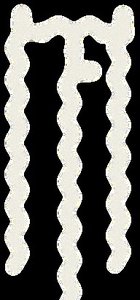
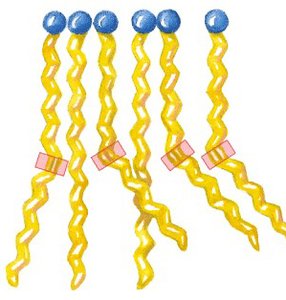
Unsaturated fatty acids: One or more double bonds; kinked chains; pack loosely; liquid at room temperature; lower melting point.
Essential Fatty Acids (EFAs) and Health
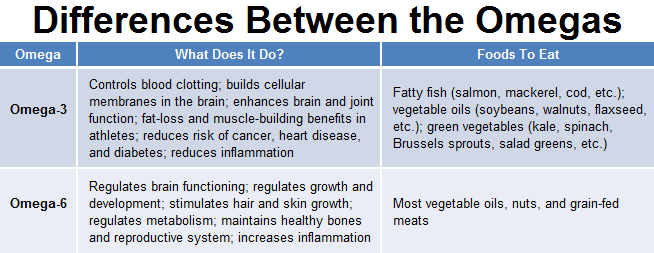
Some unsaturated fatty acids, such as omega-3 and omega-6, are essential because the human body cannot synthesize them. They must be obtained from the diet and play crucial roles in health, including brain function and cardiovascular protection.
Omega | What Does It Do? | Foods To Eat |
|---|---|---|
Omega-3 | Controls blood clotting; builds cellular membranes in the brain; enhances brain and joint function; reduces risk of cancer, heart disease, and diabetes; reduces inflammation | Fatty fish, vegetable oils (soybeans, walnuts, flaxseed), green vegetables |
Omega-6 | Regulates brain functioning; regulates growth and development; stimulates hair and skin growth; regulates metabolism; increases inflammation | Most vegetable oils, nuts, grain-fed meats |
Phospholipids: Structure and Biological Role
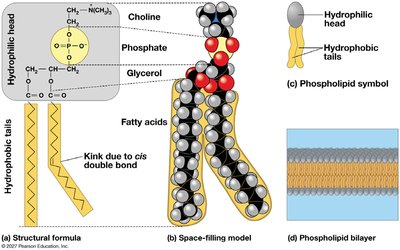
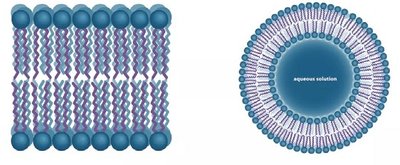
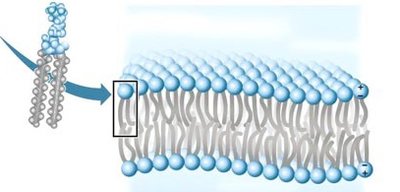
Phospholipids are similar to triglycerides but have two fatty acids and a phosphate group attached to glycerol. They are amphiphilic, with hydrophilic heads and hydrophobic tails, and form the bilayer structure of cell membranes.
Hydrophilic head: Interacts with water.
Hydrophobic tails: Avoid water, aggregate inward.
Steroids: Structure and Function
Steroids are lipids with a structure of four fused carbon rings. Cholesterol is the most common steroid in humans, serving as a precursor for steroid hormones and contributing to membrane fluidity.
Examples: Cholesterol, testosterone, estrogen, progesterone.
Function: Hormone synthesis, membrane structure.
Summary Table: Carbohydrates and Lipids
Macromolecule | Monomer | Polymer | Function |
|---|---|---|---|
Carbohydrate | Monosaccharide | Polysaccharide | Energy, storage, structure |
Lipid | Fatty acid, glycerol | Triglyceride, phospholipid, steroid | Energy storage, membranes, hormones |
