 Indietro
Carbon and the Molecular Diversity of Life
Guida di studio - Note intelligenti
 Appunti personalizzati basati sui tuoi materiali, ampliati con definizioni chiave, esempi e contesto.
Carbon and the Molecular Diversity of Life
Introduction
All living organisms are composed of chemicals based primarily on the element carbon. The unique properties of carbon make it the foundation for the vast diversity of organic molecules essential for life. This chapter explores the chemical versatility of carbon, the structure and function of organic molecules, and the significance of functional groups in biological systems.

Organic Chemistry and the Origin of Life
Definition and Scope
Organic chemistry is the study of compounds that contain carbon, regardless of their origin.
Organic compounds range from simple molecules (like methane) to complex macromolecules (like proteins and nucleic acids).
Abiotic Synthesis of Organic Molecules
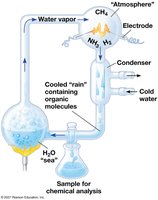
Stanley Miller's classic experiment demonstrated that organic molecules could form under conditions simulating early Earth, supporting the hypothesis that abiotic synthesis was a stage in the origin of life.
The major elements of life—carbon (C), hydrogen (H), oxygen (O), nitrogen (N), sulfur (S), and phosphorus (P)—are found in similar proportions in all organisms.
Carbon: The Backbone of Biological Molecules
Why Carbon?
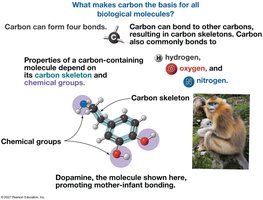
Carbon has four valence electrons, allowing it to form four covalent bonds with a variety of atoms.
This bonding capacity enables carbon to form large, complex, and diverse molecules, including chains and rings.
Carbon commonly bonds with hydrogen, oxygen, and nitrogen, forming the basis of most biological molecules.
Formation of Bonds with Carbon
Electron configuration determines the types and numbers of bonds an atom can form.
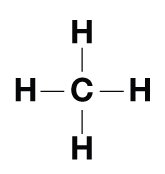
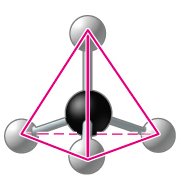
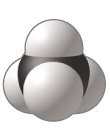
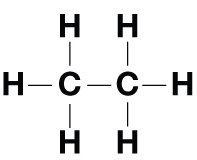
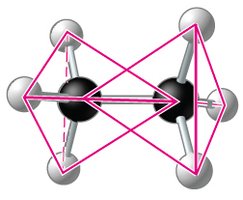
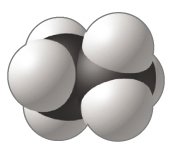
In molecules with multiple carbons, each carbon bonded to four other atoms has a tetrahedral geometry.
When two carbons are joined by a double bond, the atoms attached are in the same plane as the carbons.
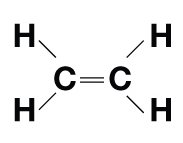
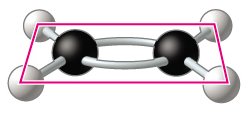
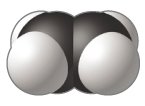
Valence and Bonding Partners
The number of unpaired electrons in the valence shell (valence) determines the number of covalent bonds an atom can form.
Carbon's most frequent bonding partners are hydrogen, oxygen, and nitrogen.




Molecular Diversity from Carbon Skeletons
Variation in Carbon Skeletons
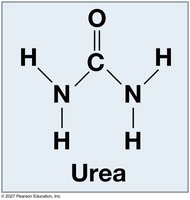
Carbon atoms can bond with other elements (e.g., oxygen in carbon dioxide, nitrogen in urea) and with other carbons to form chains and rings.
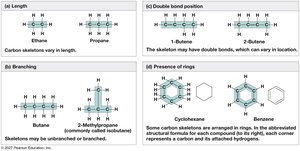
Carbon skeletons vary in length, branching, double bond position, and ring formation, contributing to molecular diversity.
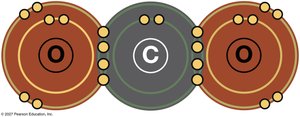
Hydrocarbons
Definition and Biological Importance
Hydrocarbons are organic molecules consisting only of carbon and hydrogen.
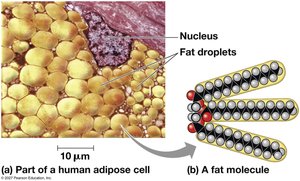
They are components of many biological molecules, such as fats, and can release large amounts of energy during reactions.
Isomers
Types of Isomers
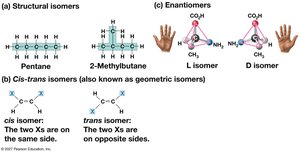
Isomers are compounds with the same molecular formula but different structures and properties.
Structural isomers: Different covalent arrangements of atoms.
Cis-trans isomers (geometric isomers): Same covalent bonds but different spatial arrangements.
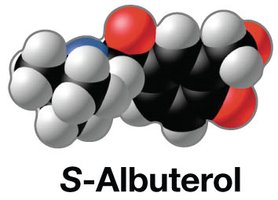
Enantiomers: Mirror images of each other, important in biology and pharmaceuticals.
Biological Importance of Enantiomers
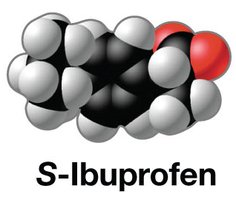
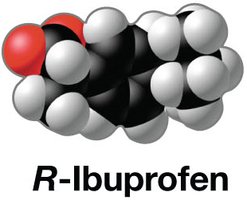
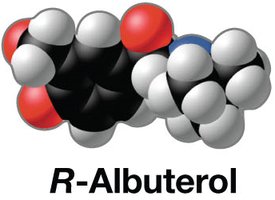
Enantiomers can have drastically different effects in biological systems; often, only one isomer is biologically active.
Examples include drugs like ibuprofen and albuterol, where only one enantiomer is effective.
Chemical Groups and Molecular Function
Functional Groups
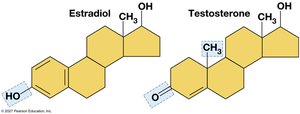
The properties of organic molecules depend on their carbon skeleton and the chemical groups attached to it.
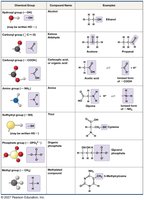
Functional groups are the most common components involved in chemical reactions and give molecules their unique properties.
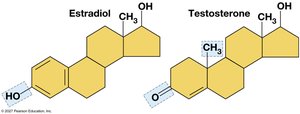
Estradiol and testosterone are examples of molecules with similar carbon skeletons but different functional groups, resulting in different biological activities.
The Seven Most Important Functional Groups
Hydroxyl group (–OH)
Carbonyl group (C=O)
Carboxyl group (–COOH)
Amino group (–NH2)
Sulfhydryl group (–SH)
Phosphate group (–OPO32−)
Methyl group (–CH3)
ATP: The Energy Currency of the Cell
Structure and Function
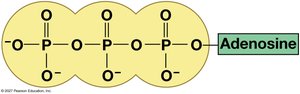
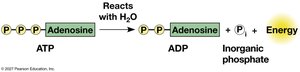
Adenosine triphosphate (ATP) is an organic molecule consisting of adenosine attached to three phosphate groups.
ATP stores potential energy that can be released by hydrolysis (reaction with water), providing energy for cellular processes.
Summary
The versatility of carbon enables the formation of a vast array of organic molecules, which underlie the diversity of life.
Variation in molecular structure, including isomerism and functional group attachment, is fundamental to biological diversity and function.
