 Indietro
Carbon and the Molecular Diversity of Life – Study Notes
Guida di studio - Note intelligenti
 Appunti personalizzati basati sui tuoi materiali, ampliati con definizioni chiave, esempi e contesto.
Carbon and the Molecular Diversity of Life
Introduction to Organic Chemistry
Organic chemistry is the study of carbon compounds, which range from simple molecules like methane (CH4) to complex macromolecules such as proteins. The unique properties of carbon make it the central element in the chemistry of life, enabling the formation of a vast diversity of organic molecules essential for biological processes.
Organic Compounds: Molecules containing carbon, often bonded to hydrogen, oxygen, nitrogen, and other elements.
Importance: Organic chemistry is fundamental to understanding the origin and complexity of life.
Stanley Miller’s Experiment and the Origin of Life
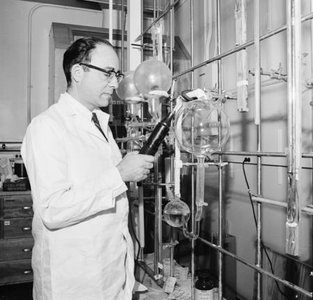
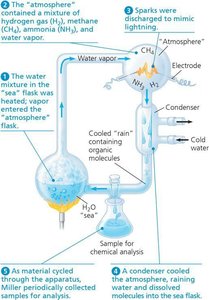
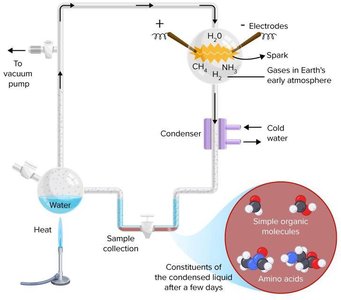
Stanley Miller’s 1953 experiment demonstrated that organic molecules could be synthesized abiotically under conditions thought to resemble those of early Earth. This experiment provided evidence supporting the hypothesis that life’s building blocks could form naturally from inorganic precursors.
Experimental Setup: Simulated early Earth’s atmosphere using a closed system with water, methane, ammonia, and hydrogen, exposed to electrical sparks to mimic lightning.
Results: Formation of simple organic molecules (e.g., formaldehyde, hydrogen cyanide) and more complex molecules such as amino acids and hydrocarbons.
Conclusion: Abiotic synthesis of organic compounds is possible, suggesting a plausible pathway for the origin of life.
Properties of Carbon: Bonding and Molecular Diversity
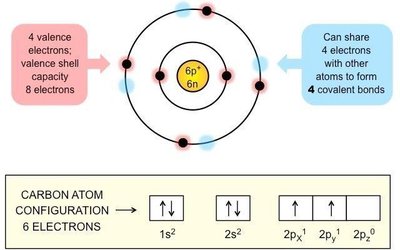
The chemical characteristics of carbon are determined by its electron configuration, allowing it to form up to four covalent bonds. This versatility enables carbon to act as a central intersection point for branching molecules, resulting in large and complex structures.
Valence: Carbon has four valence electrons, allowing it to form four covalent bonds.
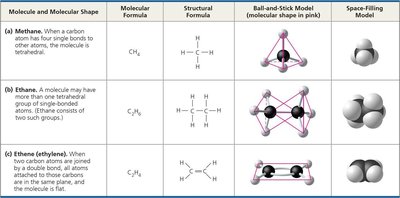
Molecular Diversity: Carbon skeletons can vary in length, branching, and ring formation, contributing to the complexity of organic molecules.
Molecular Diversity from Carbon Skeletons
Carbon chains form the backbone of most organic molecules. The diversity in carbon skeletons—such as length, branching, and ring structures—creates a wide variety of molecular forms, which is a key source of biological complexity.
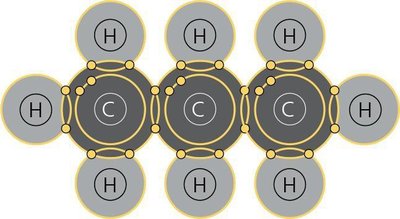
Hydrocarbons: Molecules consisting only of carbon and hydrogen. They are hydrophobic and store large amounts of energy (e.g., fats, petroleum).
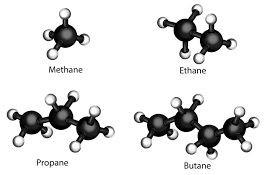
Examples: Methane, ethane, propane, and butane are simple hydrocarbons with increasing chain length.
Isomers: Structural Variations in Organic Molecules
Isomers are compounds with the same molecular formula but different structures, resulting in distinct properties. There are three main types of isomers: structural isomers, cis-trans isomers, and enantiomers.
Structural Isomers: Differ in the covalent arrangement of atoms.
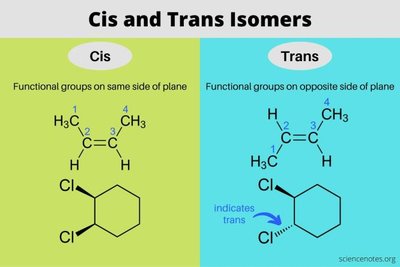
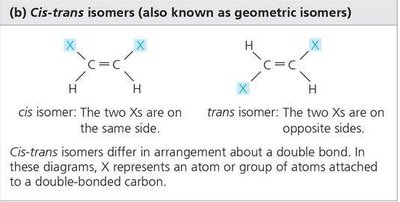
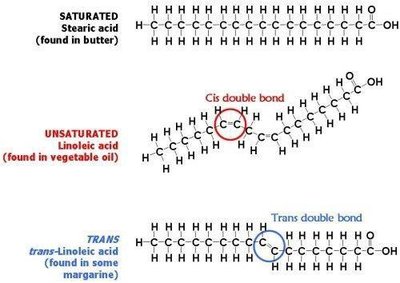
Cis-Trans Isomers: Differ in spatial arrangement around a double bond; cis isomers have groups on the same side, trans on opposite sides.
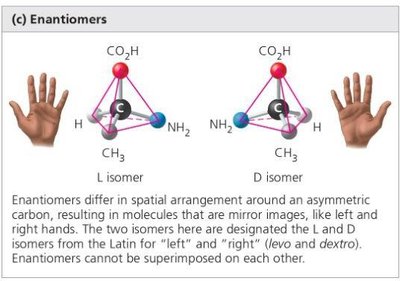
Enantiomers: Mirror images of each other due to an asymmetric carbon; often only one isomer is biologically active.
Functional Groups: Key Chemical Groups in Biological Molecules
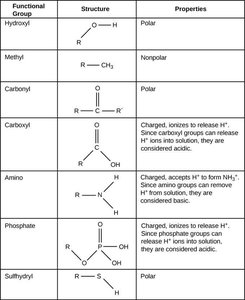
The properties of organic molecules are largely determined by the functional groups attached to their carbon skeletons. These groups participate in chemical reactions and influence molecular shape and function.
Hydroxyl Group (–OH): Found in alcohols; polar and increases solubility in water.
Carbonyl Group (C=O): Found in aldehydes and ketones; polar.
Carboxyl Group (–COOH): Found in organic acids; acts as an acid by donating H+.
Amino Group (–NH2): Found in amino acids; acts as a base by accepting H+.
Sulfhydryl Group (–SH): Found in some amino acids; can form disulfide bonds.
Phosphate Group (–PO4): Important in energy transfer (e.g., ATP).
Methyl Group (–CH3): Nonpolar; often serves as a molecular tag.
Functional Group | Structure | Properties |
|---|---|---|
Hydroxyl | –OH | Polar |
Methyl | –CH3 | Nonpolar |
Carbonyl | C=O | P |
Carboxyl | –COOH | Charged, acidic |
Amino | –NH2 | Charged, basic |
Phosphate | –PO4 | Charged, acidic |
Sulfhydryl | –SH | Polar |
ATP: The Energy Currency of the Cell
ATP (adenosine triphosphate) is a molecule that stores and transfers energy within cells. It consists of adenosine attached to three phosphate groups. Hydrolysis of ATP releases energy that can be used for cellular work.
ATP Hydrolysis:
Role: Provides energy for many cellular processes, including muscle contraction, active transport, and biosynthesis.
Additional info: The study of carbon and its compounds is foundational for understanding the structure and function of all biological macromolecules, including carbohydrates, lipids, proteins, and nucleic acids.
