 Indietro
Cell Anatomy and Membrane Transport: Prokaryotic and Eukaryotic Cells
Guida di studio - Note intelligenti
 Appunti personalizzati basati sui tuoi materiali, ampliati con definizioni chiave, esempi e contesto.
Cell Anatomy and Membrane Transport
Overview of Cell Structure
Cells are the fundamental units of life, classified into two main types: prokaryotic and eukaryotic. The internal structures of cells collaborate to produce the properties essential for life. Understanding cell anatomy is crucial for comprehending cellular functions and processes.
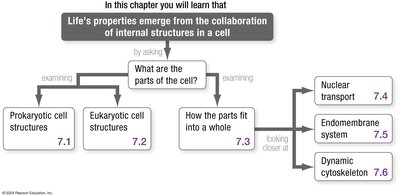
Prokaryotic and Eukaryotic Cells
Classification and Domains
Organisms are divided into three domains based on evolutionary history:
Bacteria – prokaryotic
Archaea – prokaryotic
Eukarya – eukaryotic
Prokaryotic Cell Structure
Prokaryotic cells are simple, unicellular organisms lacking a membrane-bound nucleus and organelles. Despite their simplicity, they possess specialized structures for essential functions.
Chromosome: Usually a single, circular DNA molecule located in the nucleoid region.
Ribosomes: Sites of protein synthesis.
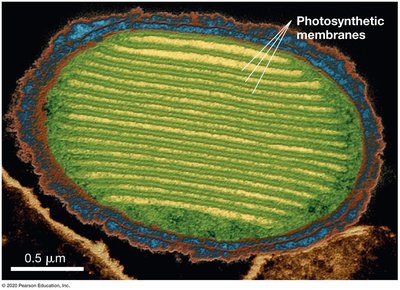
Internal Photosynthetic Membranes: In photosynthetic prokaryotes, these membranes convert sunlight into chemical energy.
Cell Wall
Provides structural support and protection.
In bacteria, primarily composed of peptidoglycan.
Some bacteria have an additional outer membrane made of glycolipids.
External Structures
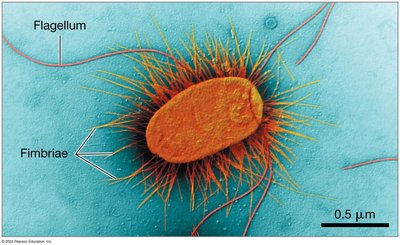
Flagella: Long filaments that rotate to propel the cell.
Fimbriae: Needle-like projections that promote attachment to surfaces or other cells.
Eukaryotic Cell Structure
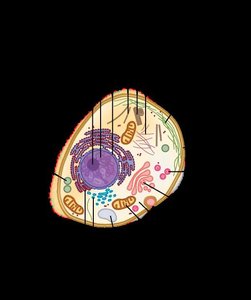
Eukaryotic cells are characterized by a membrane-bound nucleus and various organelles, each with specialized functions. They can be unicellular or multicellular.
Cell Size Comparison
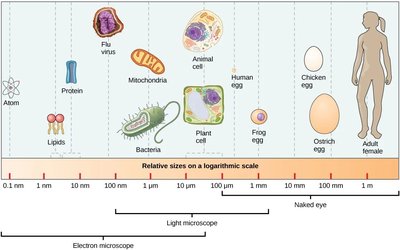
Eukaryotic cells are generally larger than prokaryotic cells. The size range of biological structures spans from atoms to adult organisms.
Eukaryotic Cell Anatomy
The Plasma Membrane
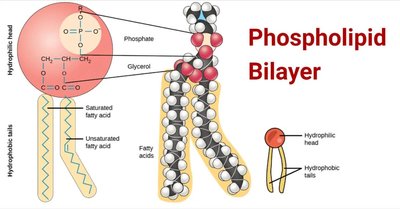
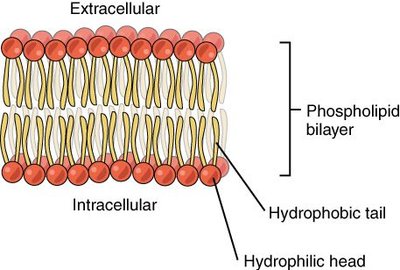
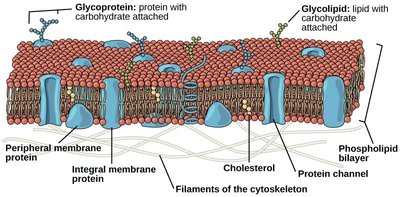
The plasma membrane is a phospholipid bilayer with embedded proteins, separating the cell's internal environment from the external surroundings. It regulates the movement of substances in and out of the cell.
The Cytoplasm
The cytoplasm includes all contents between the plasma membrane and the nuclear envelope. It is the site of many metabolic reactions, including protein synthesis.
The Cytoskeleton
The cytoskeleton is a network of protein fibers that maintains cell shape, secures organelles, facilitates intracellular transport, and enables cell movement.
Flagella and Cilia
Flagella: Long, hair-like structures for movement.
Cilia: Short, hair-like structures for movement or sensory functions.
Vesicles and Vacuoles
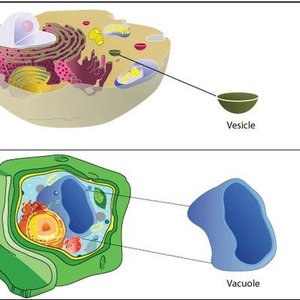
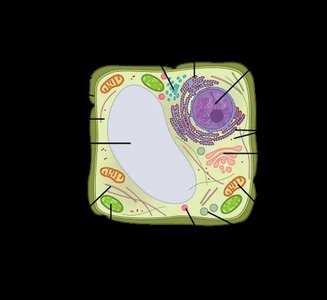
Vesicles and vacuoles are membrane-bound sacs involved in storage and transport. In plant cells, the central vacuole regulates water concentration and provides structural support.
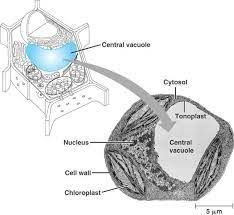
The Nucleus
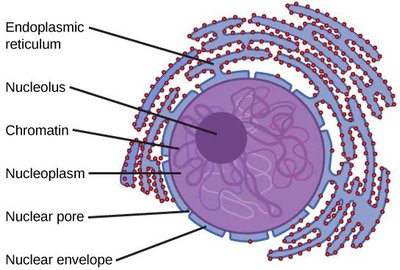
The nucleus houses the cell's DNA in the form of chromatin and directs the synthesis of ribosomes and proteins. The nuclear envelope is a double-membrane structure surrounding the nucleus.
The Nucleolus
Site of ribosomal RNA synthesis and ribosome assembly.
The Endomembrane System
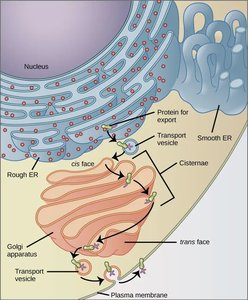
The endomembrane system is a group of membranes and organelles that modify, package, and transport lipids and proteins within the cell.
Ribosomes
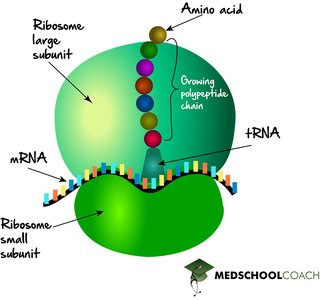
Cellular structures responsible for protein synthesis.
Endoplasmic Reticulum (ER)
Rough ER (RER): Studded with ribosomes; modifies proteins.
Smooth ER (SER): Synthesizes lipids; lacks ribosomes.
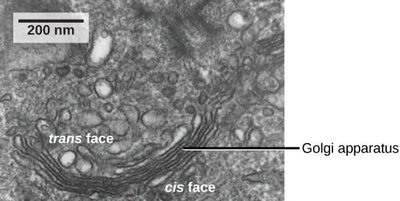
Golgi Apparatus
Series of flattened membranous sacs; processes and packages proteins and lipids.
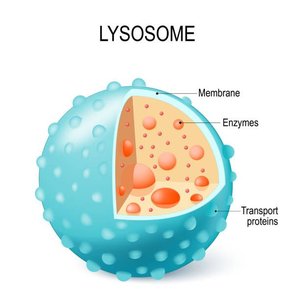
Lysosomes
Contain digestive enzymes for breaking down waste and cellular debris.
Peroxisomes
Carry out oxidation reactions to break down fatty acids and amino acids; detoxify poisons.
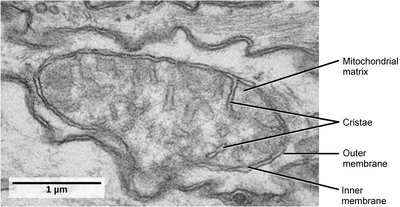
Mitochondria
Mitochondria are the site of cellular respiration, producing adenosine triphosphate (ATP), the cell’s main energy-carrying molecule.
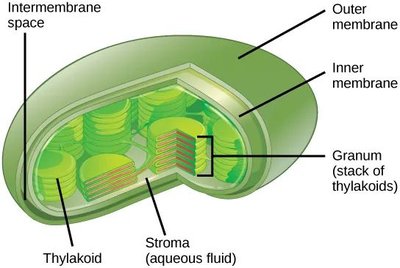
Chloroplasts
Chloroplasts are found in plant and algal cells and are the site of photosynthesis, converting carbon dioxide, water, and light energy into glucose.
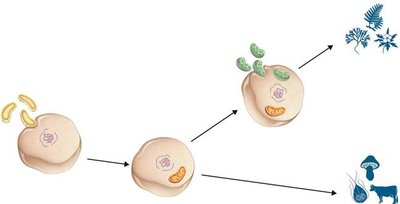
Endosymbiosis Theory
The endosymbiosis theory proposes that mitochondria and chloroplasts originated as free-living bacteria engulfed by ancestral eukaryotic cells, leading to a mutually beneficial relationship. Both organelles contain their own DNA and ribosomes and replicate independently of the cell.
The Cell Wall
Cell walls are rigid coverings that protect the cell, provide structural support, and give shape. Composition varies:
Plant cell walls: Cellulose
Bacterial cell walls: Peptidoglycan
Fungal cell walls: Chitin
Animal Cells versus Plant Cells
Animal and plant cells share many organelles but differ in key structures:
Plant cells have a cell wall, chloroplasts, and a large central vacuole.
Animal cells lack these structures but have centrioles and lysosomes.
Summary Table: Comparison of Prokaryotic and Eukaryotic Cells
Feature | Prokaryotic Cells | Eukaryotic Cells |
|---|---|---|
Nucleus | Absent | Present |
Membrane-bound organelles | Absent | Present |
Cell wall composition | Peptidoglycan (bacteria) | Cellulose (plants), chitin (fungi) |
Size | Small (0.1–5 µm) | Larger (10–100 µm) |
Examples | Bacteria, Archaea | Plants, Animals, Fungi, Protists |
Key Terms and Concepts
Phospholipid bilayer: Fundamental structure of cell membranes.
Organelle: Specialized structure within a cell.
ATP: Main energy carrier in cells.
Endosymbiosis: Theory explaining the origin of mitochondria and chloroplasts.
Equations
ATP formation in mitochondria:
Photosynthesis in chloroplasts:
Additional info: Academic context was added to clarify cell structure, organelle functions, and the endosymbiosis theory.
