 Indietro
Cell Communication and Cell Cycle: Structured Study Notes
Guida di studio - Note intelligenti
 Appunti personalizzati basati sui tuoi materiali, ampliati con definizioni chiave, esempi e contesto.
Cell Communication
Modes of Cell Communication
Cell-to-cell communication is essential for the coordination and regulation of multicellular organisms. Cells transmit signals to each other either through direct contact or via chemical messengers over short or long distances.
Direct Contact: Cells communicate by exchanging substances directly between their cytoplasms through specialized structures.
Local Signaling: Cells release signaling molecules that affect nearby target cells.
Long-Distance Signaling: Cells use hormones to communicate with distant cells.
Direct Contact
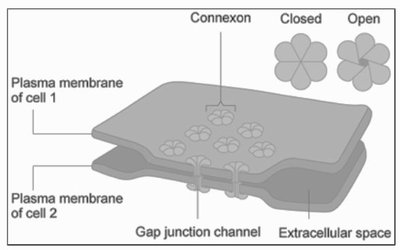
Gap Junctions (Animals): Channels called connexons allow direct exchange of ions and molecules between adjacent animal cells.
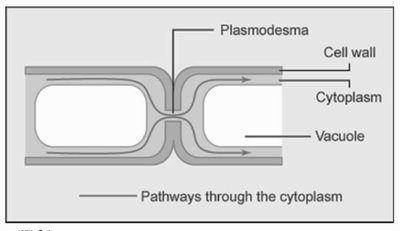
Plasmodesmata (Plants): Channels through the cell wall connect the cytoplasm of adjacent plant cells, enabling communication.
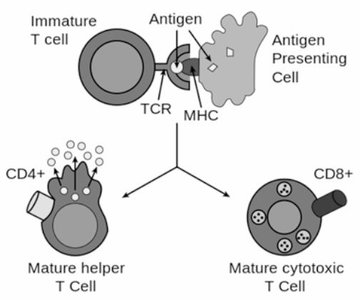
Cell-Cell Recognition: Surface molecules on adjacent cells interact, such as receptor/antigen interactions in the immune system.
Local Signaling
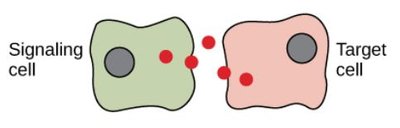
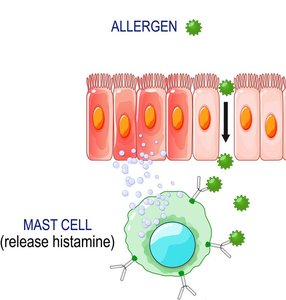
Paracrine Signaling: Local regulators (ligands) are released by a signaling cell and affect nearby target cells. Example: Mast cells release histamine to trigger an immune response.
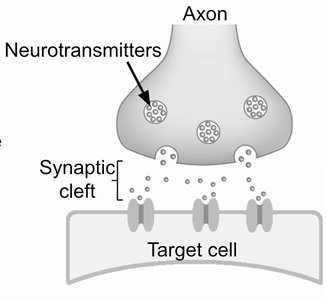
Synaptic Signaling: Neurons release neurotransmitters across a synaptic cleft to target cells, causing a chemical change. This is a specialized form of paracrine signaling.
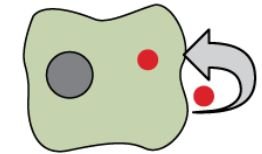
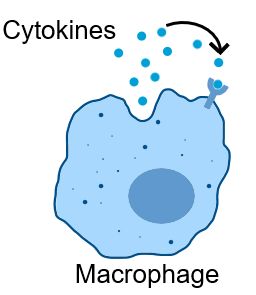
Autocrine Signaling: A cell releases a ligand that binds to receptors on its own surface, allowing self-regulation. Example: Macrophages release cytokines to regulate their own activity.
Long-Distance Signaling
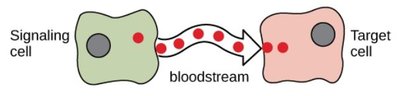
Hormones: Both plants and animals use hormones for long-distance signaling. In animals, hormones are released into the bloodstream; in plants, hormones travel through vascular tissue or the air.
Example: Insulin released by the pancreas travels through the bloodstream to regulate glucose uptake in target cells.
Signal Transduction Pathways
Overview of Cell Signaling
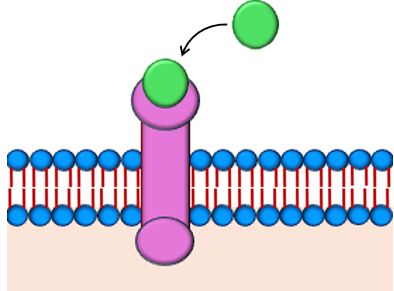
Cell signaling begins with the interaction between a ligand (chemical messenger) and a receptor. This process is highly specific and can occur at the cell surface or within the cell.
Ligands: Can be peptides, small molecules, hormones, gases, or neurotransmitters.
Receptors: Proteins that recognize and bind specific ligands, initiating a cellular response.
Cell Surface Receptors
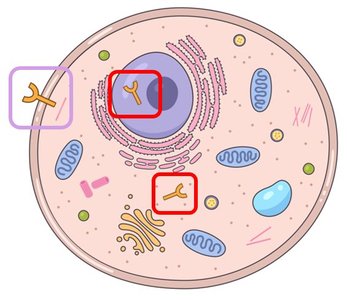
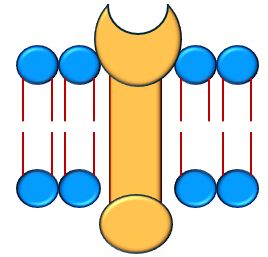
Located in the plasma membrane; bind hydrophilic or charged ligands.
Examples: G protein-coupled receptors (GPCRs), ligand-gated ion channels.
Domains: Ligand-binding, transmembrane, and intracellular.
Intracellular Receptors
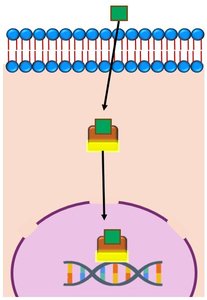
Located in the cytoplasm or nucleus; bind ligands that can diffuse through the membrane (e.g., steroid hormones).
Most function as transcription factors, directly affecting gene expression.
Domains: Ligand-binding and DNA-binding.
Stages of Cell Signaling
Reception: Ligand binds to receptor.
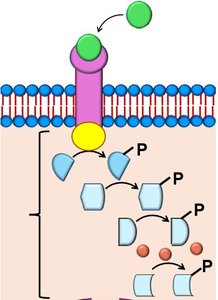
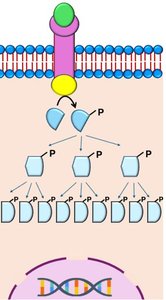
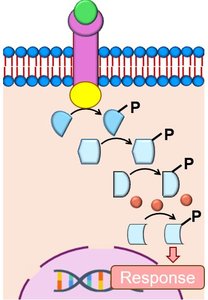
Transduction: Signal is converted into an intracellular response, often involving a cascade of protein modifications.
Response: The cell responds, which may include changes in gene expression, secretion, or cell growth.
Relay and Amplification
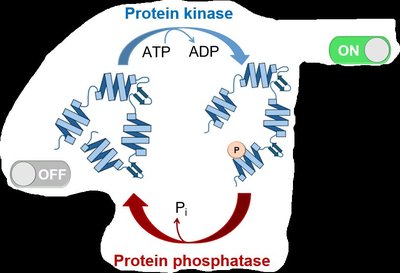
Protein Kinase: Enzyme that transfers phosphate groups from ATP to proteins, activating them.
Protein Phosphatase: Enzyme that removes phosphate groups, deactivating proteins.
Phosphorylation cascades amplify the signal, allowing a single ligand to produce a large cellular response.
Second Messengers
Small, non-protein molecules (e.g., cyclic AMP, Ca2+) that relay and amplify signals within the cell.
Rapidly diffuse and activate specific enzymes, such as protein kinases.
Cellular Responses and Regulation
Types of Cellular Responses
Signal transduction pathways can result in diverse cellular responses, including changes in gene expression, cell function, phenotype, or programmed cell death (apoptosis).
Gene Expression: Activation or repression of genes, often via transcription factors.
Cell Growth: Signals can promote or inhibit cell division.
Secretion: Cells may release molecules in response to signals.
Regulation and Feedback
Feedback mechanisms help maintain homeostasis. Negative feedback reduces the initial stimulus, returning the system to its set point. Positive feedback amplifies the response, moving the system further from the set point.
Negative Feedback: Maintains balance and stability (e.g., regulation of blood glucose).
Positive Feedback: Intensifies the response (e.g., blood clotting).
Cell Cycle and Its Regulation
Stages of the Cell Cycle
The cell cycle is a regulated series of events controlling growth and reproduction in eukaryotic cells. It consists of interphase (G1, S, G2), mitosis, and cytokinesis.
G1 Phase: Cell grows and duplicates organelles.
S Phase: DNA replicates, forming sister chromatids.
G2 Phase: Protein synthesis and centrosome replication.
Mitosis: Division of the nucleus (prophase, metaphase, anaphase, telophase).
Cytokinesis: Division of the cytoplasm, forming two daughter cells.
Regulation of the Cell Cycle
Internal controls (checkpoints) and external regulators (growth factors, contact inhibition, anchorage dependence) ensure proper cell cycle progression. Disruptions can lead to cancer or apoptosis.
Checkpoints: G1, G2, and M checkpoints monitor cell cycle progression.
Cyclins and Cyclin-Dependent Kinases (CDKs): Regulate cell cycle transitions.
Apoptosis: Programmed cell death, important for removing damaged cells.
Type of Signaling | Example | Main Feature |
|---|---|---|
Direct Contact | Gap junctions, plasmodesmata | Direct exchange between cells |
Paracrine | Mast cells releasing histamine | Local signaling to nearby cells |
Synaptic | Neurons releasing neurotransmitters | Specialized local signaling |
Autocrine | Macrophages releasing cytokines | Self-signaling |
Long-Distance | Insulin, auxin | Hormones travel to distant cells |
Additional info: These notes expand on brief points with academic context, definitions, and examples to ensure completeness and clarity for exam preparation.
