 Indietro
Cell Communication: Mechanisms and Significance in Biology
Guida di studio - Note intelligenti
 Appunti personalizzati basati sui tuoi materiali, ampliati con definizioni chiave, esempi e contesto.
Cell Communication
Introduction to Cell Communication
Cell communication is a fundamental process that enables cells to detect and respond to signals from their environment and other cells. This process is essential for the coordination of cellular activities in multicellular organisms and is also observed in unicellular organisms. - Cell signaling involves the conversion of external signals into cellular responses. - Evolutionary context: Signaling mechanisms originated in prokaryotes and single-celled eukaryotes and were adapted for multicellular life. 
Evolution of Cell Signaling
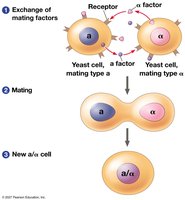
Cell signaling mechanisms are ancient and have evolved to serve diverse functions in different organisms. - Quorum sensing: Bacteria communicate by sensing the concentration of signaling molecules, which allows them to assess population density. - Biofilm formation: Bacterial cells aggregate and adhere to surfaces, forming biofilms through signaling. - Medical relevance: Disrupting quorum sensing can be a strategy to combat bacterial infections. 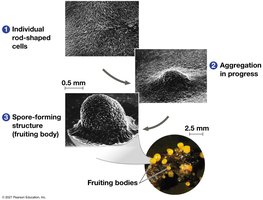 - Yeast mating: Saccharomyces cerevisiae uses secreted factors to locate and mate with cells of the opposite type, initiating a signal transduction pathway.
Local and Long-Distance Signaling
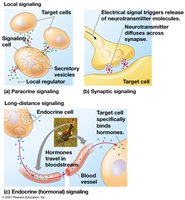
Cells communicate through direct contact or by releasing signaling molecules that act locally or at a distance. - Direct contact: Animal and plant cells have junctions (gap junctions, plasmodesmata) that allow molecules to pass directly between cells. - Cell-surface molecules: Cells can interact via molecules on their surfaces, important in development and immune responses. 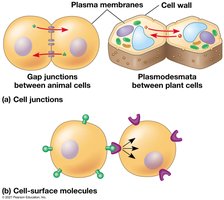 - Paracrine signaling: Local regulators, such as growth factors, affect nearby cells. - Synaptic signaling: Neurotransmitters are released in response to electrical signals in the nervous system. - Hormonal (endocrine) signaling: Hormones travel through the bloodstream to distant target cells.
The Three Stages of Cell Signaling
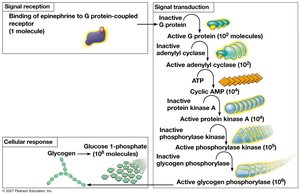
Cell signaling typically involves three stages: reception, transduction, and response. - Reception: The cell detects a signaling molecule via a receptor protein. - Transduction: The signal is relayed and amplified through a series of molecular changes. - Response: The cell produces a specific response, such as activating an enzyme or gene. 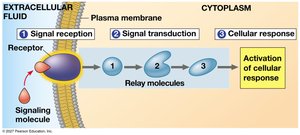
Signal Reception
Receptors in the Plasma Membrane
Most signal receptors are proteins located in the plasma membrane, but some are intracellular. - Ligand: The signaling molecule that binds to a receptor. - G protein-coupled receptors (GPCRs): The largest family of cell-surface receptors, involved in diverse signaling pathways. 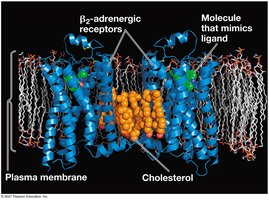 - Three main types of membrane receptors: 1. G protein-coupled receptors (GPCRs) 2. Receptor tyrosine kinases (RTKs) 3. Ion channel receptors
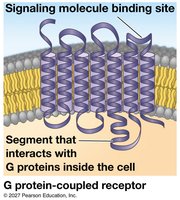
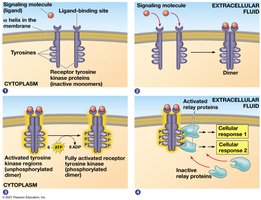
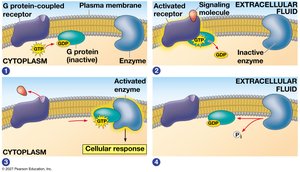 - Receptor tyrosine kinases (RTKs): Catalyze the transfer of phosphate groups from ATP to proteins, triggering multiple pathways.
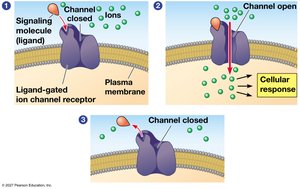
 - Ligand-gated ion channel receptors: Act as gates for ions, opening or closing in response to ligand binding.
Intracellular Receptors
Some receptors are located inside the cell, in the cytoplasm or nucleus. - Hydrophobic messengers: Steroid and thyroid hormones can cross the membrane and activate intracellular receptors. - Transcription factor: The activated hormone-receptor complex can regulate gene expression. 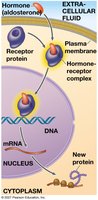
Signal Transduction
Signal Transduction Pathways
Signal transduction involves cascades of molecular interactions that relay and amplify signals. - Multistep pathways: Provide opportunities for regulation and amplification. - Shape change: At each step, proteins often change shape to relay the signal.
Protein Phosphorylation and Dephosphorylation
- Protein kinases: Enzymes that transfer phosphate groups from ATP to proteins (phosphorylation). - Phosphorylation cascade: Sequential activation of kinases amplifies the signal. 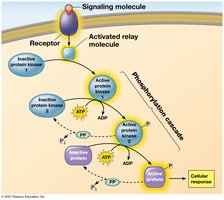 - Protein phosphatases: Remove phosphate groups (dephosphorylation), acting as molecular switches.
Second Messengers
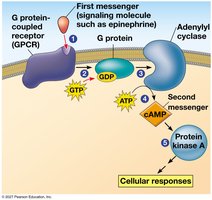
Second messengers are small, nonprotein molecules or ions that help relay signals inside the cell. - Cyclic AMP (cAMP): Produced from ATP by adenylyl cyclase; activates protein kinase A. 
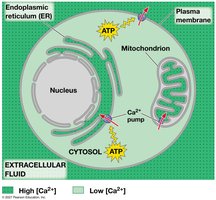
 - Calcium ions (Ca2+): Widely used as second messengers; their concentration is tightly regulated.
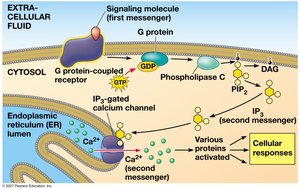
 - Inositol trisphosphate (IP3) and diacylglycerol (DAG): Produced by cleavage of membrane phospholipids; trigger release of Ca2+ from the endoplasmic reticulum.
Cellular Response
Nuclear and Cytoplasmic Responses
The final outcome of cell signaling is a cellular response, which may involve changes in gene expression or protein activity. - Nuclear response: Activation of transcription factors leads to gene expression changes. 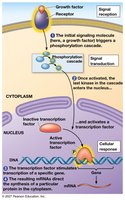 - Cytoplasmic response: Regulation of protein activity, such as enzyme activation or ion channel opening.
Regulation of the Response
Signal regulation ensures appropriate cellular responses. - Amplification: Enzyme cascades increase the magnitude of the response. - Specificity: Different cell types respond differently to the same signal due to unique protein collections. 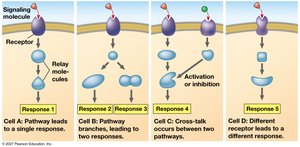 - Scaffolding proteins: Enhance efficiency by grouping relay proteins.
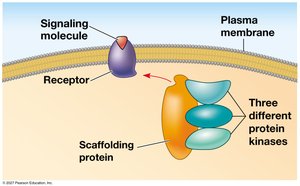 - Termination: Inactivation mechanisms ensure signals are not perpetuated after the stimulus is gone.
Apoptosis: Programmed Cell Death
Mechanisms of Apoptosis
Apoptosis is a controlled process of cell death, essential for development and maintenance. - Apoptosis: Cell components are packaged into vesicles and digested by scavenger cells, preventing damage to neighboring cells. 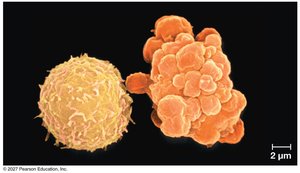
Apoptosis in Caenorhabditis elegans
- Ced-9: Master regulator protein in the mitochondrial membrane; acts as a brake unless a death signal is received. - Caspases: Proteases that execute apoptosis by cleaving proteins and DNA. 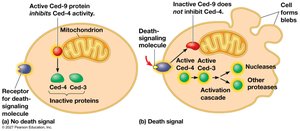
Apoptotic Pathways in Mammals
- Multiple pathways: Apoptosis can be triggered by internal or external signals, involving many caspases. - Developmental role: Apoptosis shapes tissues, such as removing interdigital cells in developing limbs. 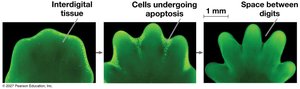
Summary of Cell Signaling Pathways
Cell signaling involves a three-stage pathway: signal reception, signal transduction, and cellular response. 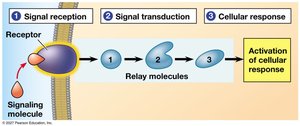
Key Terms
- Ligand: A molecule that binds specifically to a receptor. - Receptor: Protein that detects a signaling molecule. - Second messenger: Small molecule or ion that relays signals inside the cell. - Protein kinase: Enzyme that phosphorylates proteins. - Apoptosis: Programmed cell death.
Additional info:
Some details, such as the specific molecular steps in signal transduction and the role of scaffolding proteins, were expanded for academic completeness.
