 Indietro
Cell Cycle and Meiosis: Structure, Function, and Division in Eukaryotic Cells
Guida di studio - Note intelligenti
 Appunti personalizzati basati sui tuoi materiali, ampliati con definizioni chiave, esempi e contesto.
Cell Structure and Components
The Nucleus in Eukaryotic Cells
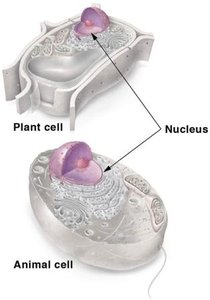
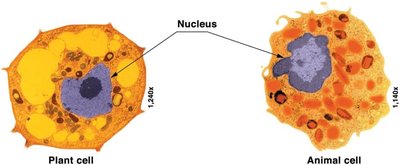
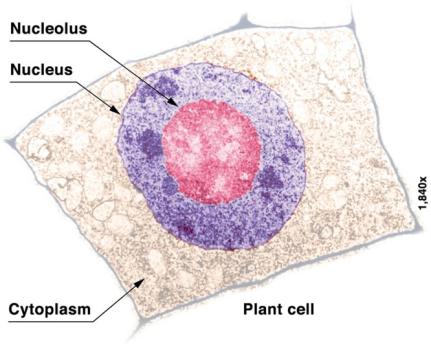
The nucleus is the most prominent membrane-bound organelle in eukaryotic cells, including both plant and animal cells. It serves as the control center of the cell, housing genetic material and directing cellular activities.
Location: The nucleus is found in the cytoplasm of eukaryotic cells.
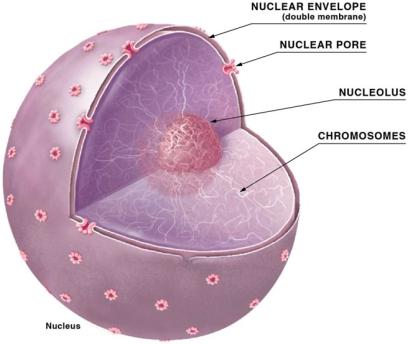
Function: It stores most of the cell’s DNA, which is organized into chromosomes.
Structure: The nucleus is surrounded by a double membrane called the nuclear envelope, which contains nuclear pores for the passage of molecules such as RNA.
Nucleolus: A darker region within the nucleus responsible for producing ribosomal RNA (rRNA).
Chromosomes and DNA
Organization of Genetic Material
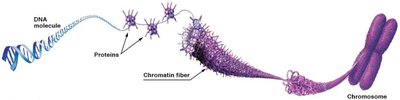
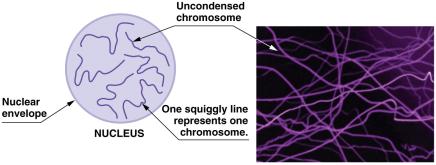
Chromosomes are structures within the nucleus that carry genetic information. DNA molecules are wrapped around proteins to form chromatin, which condenses to form chromosomes during cell division.
Chromatin: DNA-protein complex that is usually loose and uncondensed except during cell division.
Chromosome: Highly condensed chromatin fiber, visible during cell division.
Gene: A segment of DNA that codes for a specific protein or RNA molecule.
The Cell Cycle
Phases of the Cell Cycle
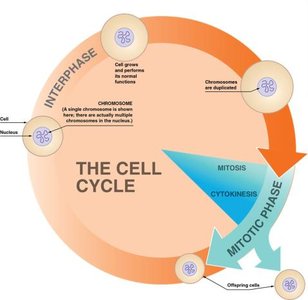
The cell cycle is an ordered sequence of events that describes the life of a cell, including growth, DNA replication, and division. It consists of two main phases: Interphase and the Mitotic Phase.
Interphase: The cell performs normal functions, grows, and duplicates its chromosomes. This phase accounts for about 90% of the cell’s lifetime.
Mitotic Phase: The cell undergoes active division, resulting in two genetically identical offspring cells. This includes mitosis and cytokinesis.
Mitosis: Stages of Cell Division
Major Stages of Mitosis
Mitosis is the process by which a cell divides to produce two identical daughter cells. The stages of mitosis ensure the proper distribution of chromosomes.
Early Interphase: Cell carries out normal activities.
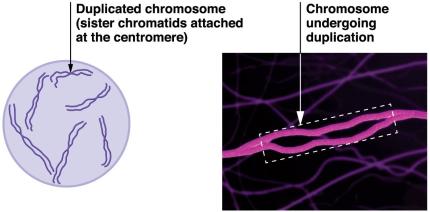
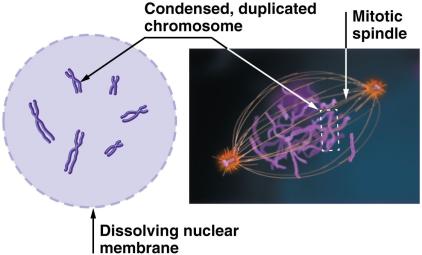
Chromosome Duplication: Chromosomes are duplicated, forming sister chromatids.
Chromosome Condensation: Chromosomes condense, and the nuclear membrane dissolves. The mitotic spindle forms.
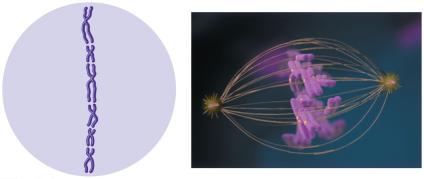
Chromosome Alignment: Sister chromatids align at the cell’s equator and attach to the spindle.
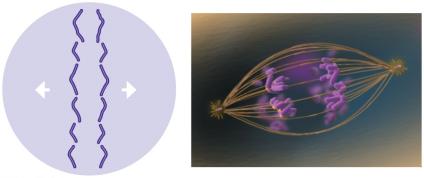
Chromosome Separation: Sister chromatids are pulled apart as the spindle retracts.
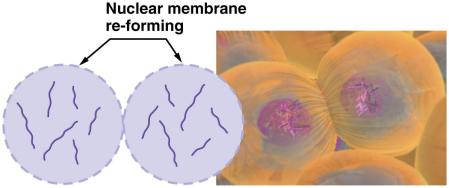
Nucleus Reformation: Two nuclei are formed, each with a complete set of chromosomes.
Cytokinesis: Final Step in Cell Division
Cytokinesis in Animal and Plant Cells
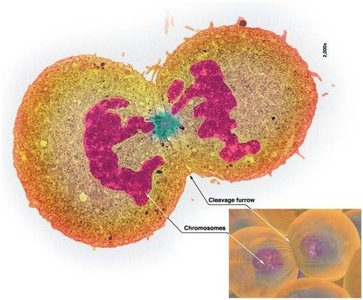
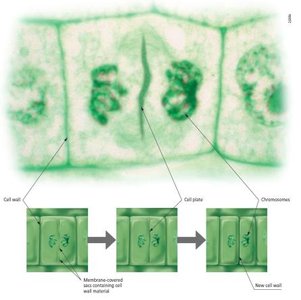
Cytokinesis is the division of the cytoplasm, resulting in two separate cells. The process differs between animal and plant cells.
Animal Cells: The cell membrane pinches inward, forming two independent cells.
Plant Cells: A cell plate forms along the center line, eventually developing into a new cell wall.
Meiosis: Production of Gametes
Meiosis and Genetic Variation
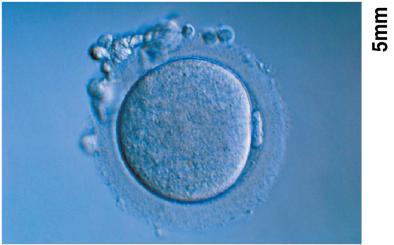
Meiosis is a specialized form of cell division that produces gametes (sperm and egg cells) with half the number of chromosomes (haploid). This process is essential for sexual reproduction and genetic diversity.
Gametes: Haploid cells containing one set of chromosomes.
Meiosis I: Homologous chromosome pairs line up and separate.
Meiosis II: Sister chromatids separate, resulting in four haploid cells.
Genetic Variation: Independent assortment, random fertilization, and crossing over contribute to genetic diversity.
Comparison of Mitosis and Meiosis
Key Differences
Mitosis and meiosis are both forms of cell division, but they serve different purposes and produce different outcomes.
Feature | Mitosis | Meiosis |
|---|---|---|
Where does it occur? | Somatic (body) cells | Germ cells (testes/ovaries) |
When is it needed? | Growth, repair, asexual reproduction | Sexual reproduction |
Offspring cells | 2 diploid (2n), identical | 4 haploid (n), genetically unique |
Rounds of division | 1 | 2 |
Human Body Systems and Development
Tissues, Organs, and Critical Periods
The human body is organized into tissues and organs, each with specialized functions. Critical periods of development are times when environmental factors can significantly impact growth and health.
Tissues: Groups of similar cells performing a specific function (e.g., muscle, epithelial, connective, nervous).
Organs: Structures composed of multiple tissue types working together (e.g., heart, liver).
Critical Periods: Times during development when exposure to teratogens (chemicals, drugs, nutrients) can cause birth defects.
Stem Cells and Regeneration
Stem Cells in Medicine
Stem cells are undifferentiated cells capable of giving rise to various cell types. They are important in tissue and organ transplantation, as well as regenerative medicine.
Function: Stem cells can differentiate into specialized cells, aiding in repair and regeneration.
Application: Used in research and therapy for diseases and injuries.
Genetic Disorders and Nondisjunction
Chromosome Abnormalities
Nondisjunction is an error in meiosis that results in abnormal numbers of chromosomes, leading to genetic disorders such as Down syndrome and sex chromosome syndromes.
Trisomy 21: Three copies of chromosome 21, causing Down syndrome.
Sex Chromosome Abnormalities: Includes Triple-X, Jacob’s, Klinefelter, and Turner syndromes.
Sex Chromosomes | Syndrome | Sex | Symptoms |
|---|---|---|---|
X X X | Triple-X syndrome | Female | Slightly taller; learning delays |
X Y Y | Jacob’s syndrome | Male | Normal; may be taller |
X X Y | Klinefelter syndrome | Male | Sterile; underdeveloped testes; feminine features |
X O | Turner syndrome | Female | Sterile; immature sex organs |
Equations and Formulas
Independent Assortment and Variation
The number of possible chromosome arrangements due to independent assortment is given by:
For humans (n = 23):
possible arrangements
Random fertilization further increases variation:
possible combinations
Summary
This study guide covers the structure and function of eukaryotic cells, the cell cycle, mitosis, meiosis, genetic variation, and the impact of chromosome abnormalities. It also addresses the organization of tissues and organs, stem cell applications, and critical periods in human development.
